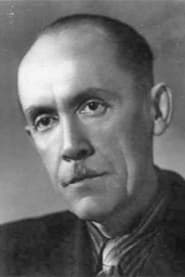
Mstislav Pashchenko
Director
Born: April 28, 1901 in Saint Petersburg, Russian Empire Died: April 15, 1958 Active: 1938-1951 Birth Name: Mstislav Vladimirovich Pashchenko
Films
3 films
About Mstislav Pashchenko
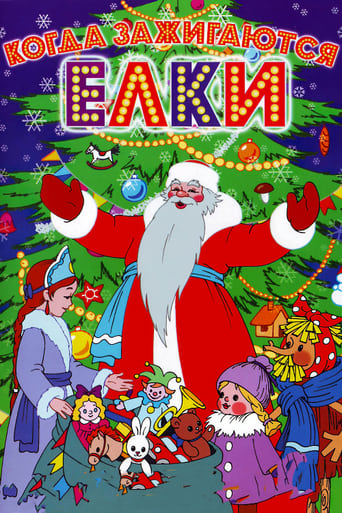
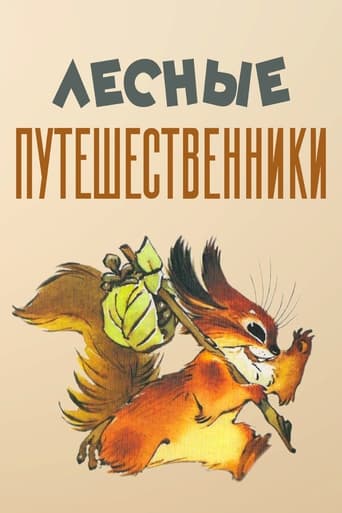
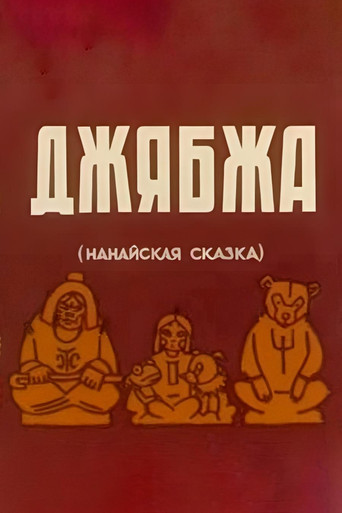
Made significant contributions to early Russian animated cinema. He worked primarily at the Soyuzmultfil'm studio during the 1930s through the 1950s, a crucial period in the development of Soviet animation. Pashchenko specialized in stop-motion and puppet animation techniques, helping to establish these art forms in the Soviet Union. His film 'Dzhyabzha' (1938) was one of his early works, showcasing his innovative approach to storytelling through animation. During the 1940s and 1950s, he continued to develop his craft, creating memorable films like 'When Christmas Trees Light Up' (1950) and 'Forest Travellers' (1951), which became classics of Soviet children's animation. His work often featured charming characters and moral lessons, reflecting the educational and cultural values promoted in Soviet media of the era. Pashchenko's the formative years of Soviet animation, making him an important figure in the history of Russian animated cinema.
The Craft
Behind the Camera
Mstislav Pashchenko's directing style was characterized by meticulous attention to detail in stop-motion and puppet animation. He favored warm, educational storytelling with clear moral messages suitable for children. His work often featured charming, expressive characters brought to life through innovative puppetry techniques. Pashchenko's animations had a distinctive handcrafted quality, with carefully designed sets and props that created immersive, fairy-tale worlds. He emphasized smooth, naturalistic movement in his animated figures, pushing the technical boundaries of what was possible in Soviet stop-motion animation during his era.
Milestones
- Directed 'Dzhyabzha' (1938), one of his early notable works
- Created 'When Christmas Trees Light Up' (1950), a beloved Soviet Christmas classic
- Directed 'Forest Travellers' (1951), showcasing advanced stop-motion techniques
- Pioneered puppet animation techniques at Soyuzmultfil'm
- Contributed to the development of Soviet children's animation
- Worked during the golden age of Soviet animation
Best Known For
Must-See Films
Accolades
Won
- Stalin Prize (1951) for 'When Christmas Trees Light Up'
Nominated
- Multiple Soviet State Prize nominations for animation excellence
Special Recognition
- Recognized as a Pioneer of Soviet Animation
- Honored Artist of the RSFSR (posthumously)
Working Relationships
Worked Often With
Studios
Why They Matter
Impact on Culture
Mstislav Pashchenko played a crucial role in establishing Soviet animation as a respected art form and educational medium. His films, particularly 'When Christmas Trees Light Up,' became holiday traditions for generations of Soviet children and families. He helped create the distinctive aesthetic of Soviet puppet animation that would influence decades of animators. Pashchenko's work contributed to the cultural identity of Soviet animation, which was known for its craftsmanship, artistic merit, and educational value. His films continue to be studied as important examples of early stop-motion animation and remain beloved classics in Russian culture.
Lasting Legacy
Mstislav Pashchenko's legacy endures through his influential contributions to the technical and artistic development of Soviet animation. He is remembered as one of the pioneers who helped establish Soyuzmultfil'm as a world-class animation studio. His innovations in stop-motion and puppet animation techniques influenced countless animators who followed. His films, especially the holiday classic 'When Christmas Trees Light Up,' continue to be shown on Russian television during Christmas seasons, introducing new generations to his work. Pashchenko is celebrated in film history books and animation studies courses as a key figure in the golden age of Soviet animation.
Who They Inspired
Pashchenko influenced subsequent generations of Soviet and Russian animators through his technical innovations in stop-motion and his approach to children's storytelling. His work demonstrated how puppet animation could convey complex emotions and narratives, inspiring animators to explore the medium's full potential. He helped establish standards of craftsmanship and artistic quality that became hallmarks of Soviet animation. Contemporary Russian animators often cite early pioneers like Pashchenko as inspiration for maintaining high artistic standards in children's animation. His techniques continue to be studied in animation schools as foundational examples of stop-motion excellence.
Off Screen
Mstislav Pashchenko lived a relatively private life dedicated to his artistic work at Soyuzmultfil'm. He was part of the first generation of Soviet animation directors who helped establish the industry in the USSR. His life coincided with major historical events including the Russian Revolution, World War II, and the early Cold War period, all of which influenced the themes and style of his work. Pashchenko was known among colleagues as a meticulous craftsman who was passionate about advancing the technical and artistic possibilities of animation.
Education
Graduated from Leningrad Institute of Arts (formerly Imperial Academy of Arts) with focus on fine arts and sculpture, which influenced his approach to puppet animation
Family
- Information not publicly available
Did You Know?
- Pashchenko was one of the first directors to work at Soyuzmultfil'm when it was founded in 1936
- His film 'When Christmas Trees Light Up' was based on a story by Vladimir Suteev
- The puppets in his films were often created by renowned Soviet puppet makers
- His animations were known for their unusually smooth movement for the time period
- Pashchenko's background in fine arts and sculpture greatly influenced his animation style
- He worked during World War II, creating animations that supported the war effort
- His films often featured original musical scores by prominent Soviet composers
- The technical innovations in his stop-motion work were studied by animators internationally
- His holiday films became annual traditions broadcast on Soviet television
- Pashchenko was part of a generation that established animation as both art and education in the USSR
In Their Own Words
Animation is not just moving pictures, but bringing life to inanimate objects through artistry and patience
Every puppet has a soul waiting to be discovered by the animator's hand
Children's animation must educate while it entertains, planting seeds of beauty and morality
The magic of stop-motion lies in its imperfections - the human touch that makes each frame special
Frequently Asked Questions
Who was Mstislav Pashchenko?
Soviet animation on YTB.my. He specialized in stop-motion and puppet animation, creating beloved children's films that became classics of Soviet cinema.
What films is Mstislav Pashchenko best known for?
Titles linked here include Dzhyabzha (1938), When Christmas Trees Light Up (1950).
When was Mstislav Pashchenko born and when did he die?
Born April 28, 1901; died April 15, 1958.
What awards did Mstislav Pashchenko win?
Pashchenko received the prestigious Stalin Prize in 1951 for his film 'When Christmas Trees Light Up.' He was also posthumously recognized as an Honored Artist of the RSFSR for his contributions to Soviet animation.
What was Mstislav Pashchenko's directing style?
Pashchenko's directing style emphasized meticulous stop-motion and puppet animation with educational storytelling. His films featured charming characters, moral lessons, and distinctive handcrafted aesthetics with smooth, naturalistic movement that pushed technical boundaries of Soviet animation.
Where did Mstislav Pashchenko work?
Pashchenko worked primarily at Soyuzmultfil'm, the Soviet Union's most famous animation studio in Moscow. He was among the first generation of directors who helped establish the studio when it was founded in 1936.
How did Mstislav Pashchenko influence animation?
Pashchenko pioneered technical innovations in Soviet stop-motion animation and helped establish high artistic standards for children's programming. His techniques influenced generations of Russian animators and his films continue to be studied as examples of classic puppet animation craftsmanship.