Eskimotive
"Felix & his friend have fun playing at blowing bubbles"
Keys: Space play/pause · ←/→ 10s · F fullscreen · M mute · </> speed
About this film
Felix & his friend have fun playing at blowing bubbles. Felix gets inside one and is blown away. The bubble lands on a snowy mountain and turns...
Cast & crew
More films like this
More Animation films
View all →



More from Otto Messmer
View all →
More about this film
About the production
Release date1928
ProductionPat Sullivan Studios
Filmed inNew York, New York
Created during the golden age of silent animation using traditional cel animation techniques. The film was produced on nitrate stock, which was standard for the era but has led to preservation challenges over time. The animation was hand-drawn and inked frame by frame, typical of the meticulous process used for Felix the Cat cartoons.
Themes
Themes & topics
Historical background
Released in 1928 during the late silent period, Eskimotive reached audiences when exhibitors were still defining programming conventions. The narrative hook—Felix & his friend have fun playing at blowing bubbles—reflects what contemporary producers thought would draw viewers.
Why this film matters
Eskimotive remains discussed by archivists tracing how screen stories of its period represented work, desire, conflict, and social order. Its central situation—Felix & his friend have fun playing at blowing bubbles—still prompts questions about genre conventions and audience expectations.
Making of
Eskimotive was created during the peak of Felix the Cat's popularity in the late 1920s. Otto Messmer, the true creative force behind Felix, worked with a small team of animators at Pat Sullivan Studios in New York. The animation process was entirely manual, with each frame drawn by hand on paper, transferred to cels, inked, and then photographed. The bubble sequence was particularly challenging to animate, requiring careful attention to transparency effects and movement physics. The film's arctic setting allowed for creative visual gags involving snow, ice, and polar animals. Like most cartoons of the era, it was designed to be accompanied by live music and sound effects in theaters, with cue sheets provided to theater musicians. The production timeline for such a cartoon was typically 2-3 weeks from concept to completion.
What critics said
Trade and newspaper notices for Eskimotive generally emphasized casting, spectacle, and program fit rather than extended aesthetic argument. Retrospective screenings and archival notes continue to shape how viewers evaluate Eskimotive today.
Did you know?
- This is one of over 100 Felix the Cat cartoons produced during the silent era
- Felix the Cat was the first animated character to achieve major star status in Hollywood
- The character's design was based on a combination of Charlie Chaplin's tramp persona and a real cat named Thomas that Otto Messmer owned
- Felix cartoons were among the first to use the 'squash and stretch' animation technique
- Many Felix cartoons from this period have been lost due to the deterioration of nitrate film stock
- The bubble sequence showcases early examples of surreal animation that would later influence artists like Salvador Dalí
- Felix was the first animated character to have merchandise sold, including dolls, toys, and even a song
- The cartoons were originally accompanied by live musical scores performed in theaters
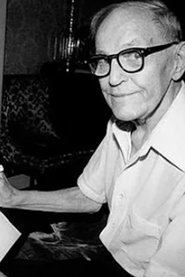
- Otto Messmer was often uncredited during his lifetime, with Pat Sullivan taking most of the public credit
- This film was produced just before the transition to sound in animation, making it part of the final wave of silent cartoons
Visual style
The cinematography in Eskimotive follows the standard practices of silent animation, using static camera positions typical of the era to focus attention on the character animation. The film employs black and white cinematography with careful attention to contrast and shadow work, particularly effective in the arctic mountain sequences. The bubble effects demonstrate innovative use of transparency and light, creating a magical quality that was technically challenging for the period. The animation utilizes exaggerated perspective during the flying sequences to enhance the sense of movement and height.
Innovations
Eskimotive showcases several technical achievements for its time, particularly in the bubble animation sequences which demonstrate sophisticated understanding of transparency and light effects. The film exhibits advanced character animation techniques including the squash and stretch principle that would later be formally codified. The snow and ice effects show innovative approaches to creating texture and atmosphere in animation. The flying sequences demonstrate early use of multi-plane depth perception. The film maintains consistent character design and movement quality throughout, indicating the high level of craftsmanship at Pat Sullivan Studios.
Music
As a silent film, Eskimotive did not have an original synchronized soundtrack. However, it was designed to be accompanied by live musical performance in theaters. Theaters would have received cue sheets indicating suggested musical pieces and sound effects to be performed during screenings. Typical accompaniment would have included popular songs of the era, classical pieces, and original mood music performed by piano or small orchestra. Sound effects would have been created using various props and devices by theater staff. Some modern restorations have added appropriate period music to recreate the original viewing experience.
Memorable scenes
- The opening sequence where Felix and his friend blow increasingly large bubbles, culminating in Felix climbing inside one and floating away. The magical transformation of the bubble as it lands on the snowy mountain peak, creating a visually striking moment that showcases the creative possibilities of early animation. Felix's interactions with arctic wildlife, featuring the character's trademark problem-solving abilities and comedic timing.
What audiences thought
Contemporary audiences in 1928 embraced Eskimotive and other Felix cartoons enthusiastically. Felix was a beloved character with universal appeal, enjoyed by both children and adults. Theater audiences often responded with laughter and applause to Felix's antics. The character's merchandise was extremely popular, indicating strong audience connection. Modern audiences viewing these cartoons often express admiration for the timeless humor and impressive animation quality for the era. Animation enthusiasts and film historians particularly appreciate these early works for their historical importance and artistic merit.
Film connections
Influenced by
- Charlie Chaplin films
- Vaudeville comedy
- Newspaper comic strips
- Early Disney shorts
This film influenced
- Early Mickey Mouse cartoons
- Popeye shorts
- Looney Tunes series
- Modern surreal animation
Film restoration
Many Felix the Cat cartoons from the silent era, including Eskimotive, face preservation challenges due to the original nitrate film stock's deterioration. Some copies exist in film archives and private collections, though quality varies. The Library of Congress and other preservation institutions have worked to save surviving prints. Digital restorations have been undertaken by animation historians and enthusiasts. The film's survival status is considered fair, with copies available through specialized animation archives and some public domain collections.
Where to watch
- YouTube (various public domain uploads)
- Internet Archive
- Specialized animation streaming services
- Film archive screenings
- Animation museum collections
- DVD compilations of silent cartoons