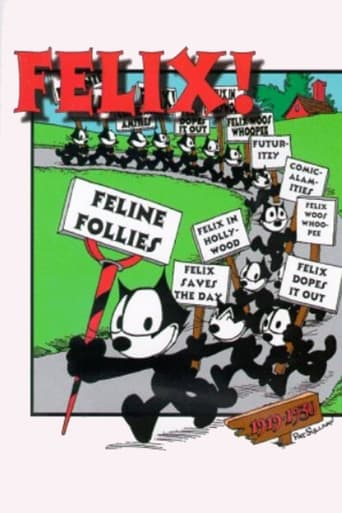
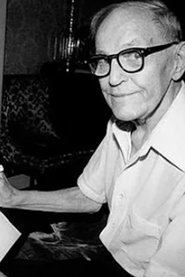
Otto Messmer
Director
Born: August 16, 1892 in Union City, New Jersey, USA Died: October 18, 1983 Active: 1914-1970s Birth Name: Otto James Messmer
Films
21 films
The Non-Stop Fright
1927
Eskimotive
1928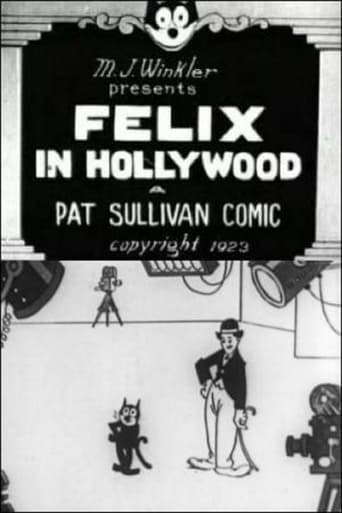
Felix in Hollywood
1923No Poster
Felix Trifles with Time
1925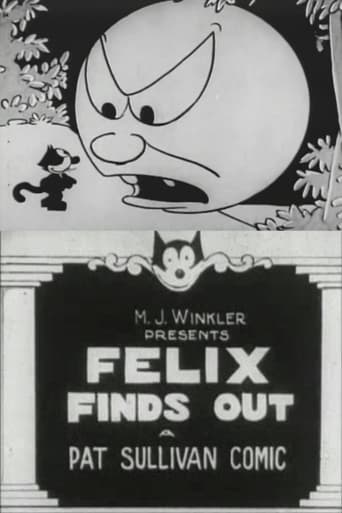
Felix Finds Out
1924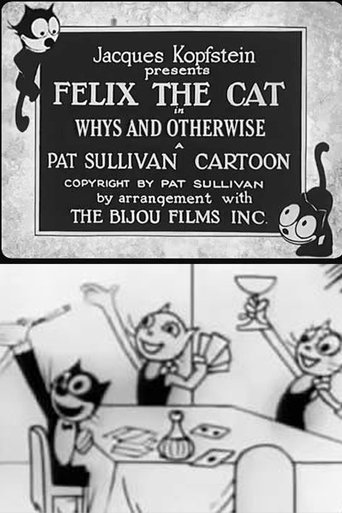
Whys and Otherwise
1927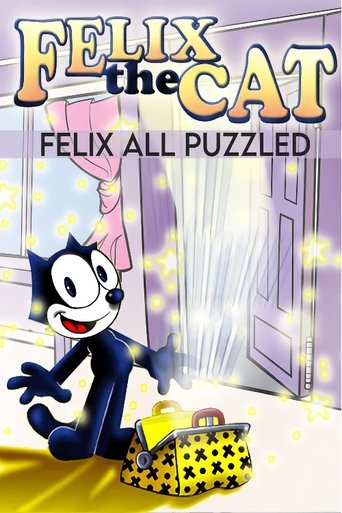
Felix All Puzzled
1925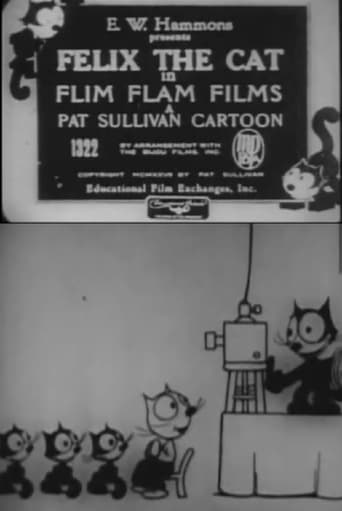
Flim Flam Films
1927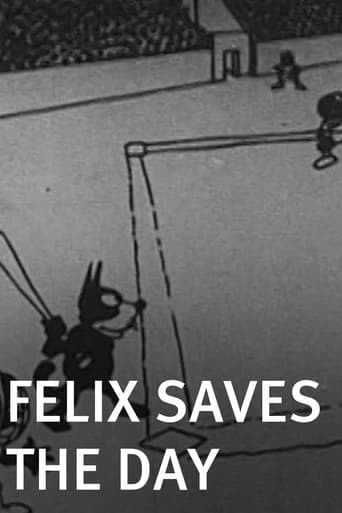
Felix Saves the Day
1922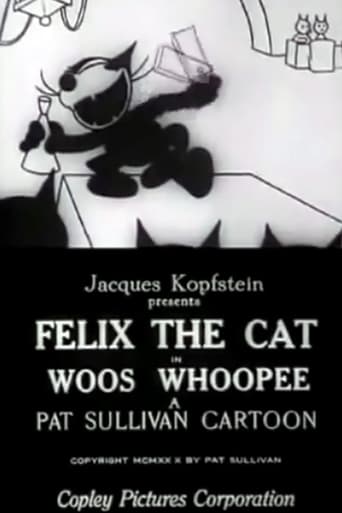
Woos Whoopee
1928
Forty Winks
1931
Felix in the Swim
1922
Frolics at the Circus
1920
Felix Out of Luck
1921
Felix Minds the Kid
1922
Felix in the Bone Age
1922
Felix Lends a Hand
1922
Felix in Fairyland
1923
Felix Goes A-Hunting
1923
Felix Gets Broadcasted
1924About Otto Messmer
American animator and cartoonist who created one of animation's earliest and most enduring superstars, Felix the Cat. Born in New Jersey in 1892, Messmer began his animation career in the mid-1910s working for various studios including the Henry La Fave studio and later for Pat Sullivan's studio. In 1919, he designed and animated the first Felix the Cat cartoon 'Feline Follies,' which launched a character that would become a global phenomenon. Throughout the 1920s, Messmer was the principal animator and creative force behind over 150 Felix cartoons, animation techniques that emphasized character personality and fluid motion. When sound animation arrived and Felix's popularity declined, Messmer transitioned to comic strips, continuing the Felix adventures in print form from 1923 to 1966. He later worked in commercial animation creating advertisements and educational films. For decades, producer Pat Sullivan was credited as Felix's creator, but animation historians eventually recognized Messmer's true role as the character's originator and primary artist. Messmer continued working in animation and comics well into his later years, finally receiving recognition for his contributions before his death in 1983.
The Craft
Behind the Camera
Messmer's directing style in animation emphasized character personality, expressive movement, and visual storytelling without dialogue. His approach focused on creating gags and situations that showcased Felix's adaptable personality and problem-solving abilities. He pioneered techniques like 'rubber hose' animation and used minimal backgrounds to focus attention on character action.
Milestones
- Created Felix the Cat (1919)
- Animated over 150 Felix cartoons (1919-1928)
- Drew Felix the Cat comic strips (1923-1966)
- Pioneered personality animation techniques
- Recognized as animation pioneer by historians
- Worked in commercial animation and advertising
- Mentored future animators including Joe Oriolo
Best Known For
Iconic Roles
Must-See Films
Accolades
Won
- Winsor McCay Award (1972) - posthumous recognition for lifetime achievement in animation
Special Recognition
- Inducted into Animation Hall of Fame
- International Animated Film Association recognition
- ASIFA-Hollywood Annie Award for lifetime achievement (posthumous)
Working Relationships
Worked Often With
Studios
Why They Matter
Impact on Culture
Otto Messmer's creation of Felix the Cat represented a watershed moment in animation history, establishing the animated character as a star personality rather than just a moving drawing. Felix became the first animated character to achieve massive merchandising success, appearing on dolls, watches, postcards, and countless other products worldwide. The character's popularity demonstrated that animated films could generate significant ancillary revenue, paving the way for future character-based franchises. Messmer's animation techniques, particularly his emphasis on personality and expression, influenced generations of animators who followed. His work helped establish animation as a legitimate art form capable of conveying complex emotions and storytelling without dialogue, during an era when most animation was limited to simple gags.
Lasting Legacy
Otto Messmer's legacy as the true creator of Felix the Cat has been increasingly recognized by animation historians, correcting decades of misattribution to producer Pat Sullivan. His work in personality animation laid groundwork for future animation stars like Mickey Mouse and Bugs Bunny. The techniques he developed for conveying emotion and character through simple drawings continue to influence animators today. Felix the Cat remains one of animation's most enduring characters, with Messmer's original design and personality still recognizable in modern adaptations. His contributions to the art form are now properly celebrated in animation history books and museum retrospectives, cementing his place as one of the medium's foundational figures.
Who They Inspired
Messmer's influence on animation is profound and far-reaching. His work on Felix directly inspired Walt Disney, who cited Felix as an influence when creating Mickey Mouse. Chuck Jones and other Warner Bros. Animators studied Messmer's timing and character animation techniques. The 'rubber hose' animation style he helped develop became standard in early American animation. His approach to character design - using simple, memorable shapes that could convey complex emotions - influenced character designers throughout the 20th century. Modern animators and comic artists continue to draw inspiration from Messmer's ability to create personality with minimal lines and maximum expressiveness.
Off Screen
Otto Messmer led a relatively private life focused on his artistic work. He married Helen Schuster in 1932, and they remained married until his death in 1983. The couple had two children, a son named James and a daughter named Barbara. Messmer was known among colleagues as a humble, dedicated artist who rarely sought the spotlight, preferring to let his work speak for itself. He continued drawing and animating well into his retirement years, maintaining his passion for the art form until his final days.
Education
Attended Thomas School of Art in New York City; self-taught animator through early film industry experience
Family
- Helen Schuster (1932-1983)
Did You Know?
- Felix the Cat was the first animated character to achieve superstar status
- Messmer was originally credited only as an animator while Pat Sullivan took creator credit
- Felix was the first image ever broadcast on television (in 1928)
- Messmer drew the Felix comic strip for 43 years, from 1923 to 1966
- Charles Lindbergh carried a Felix doll on his historic transatlantic flight
- Felix appeared in over 150 cartoons during the silent era
- Messmer's animation techniques were studied by early Disney animators
- The character's name 'Felix' comes from the Latin word for 'lucky'
- Messmer continued animating into his 80s
- Felix was one of the first characters to have merchandise tie-ins
- Messmer worked on educational films for the U.S. Government during World War II
In Their Own Words
I just wanted to make a funny little cat that could do things people couldn't do
Animation is not just moving drawings - it's bringing characters to life
Felix was simple enough for anyone to draw, but special enough that everyone wanted to
The secret of good animation is in the eyes - they tell the whole story
I never thought Felix would last this long. I was just having fun drawing
Frequently Asked Questions
Who was Otto Messmer?
American animator and cartoonist best known as the creator of Felix the Cat, one of animation's earliest and most enduring characters. He worked primarily during the silent era and pioneered many animation techniques still used today.
What films is Otto Messmer best known for?
Titles linked here include Feline Follies (1919), Felix Saves the Day (1922).
When was Otto Messmer born and when did he die?
Born August 16, 1892; died October 18, 1983.
What awards did Otto Messmer win?
Messmer received the Winsor McCay Award for lifetime achievement in animation in 1972, and has been posthumously inducted into the Animation Hall of Fame. He also received recognition from ASIFA-Hollywood and the International Animated Film Association.
What was Otto Messmer's animation style?
Messmer's animation style emphasized personality, expressive movement, and visual storytelling without dialogue. He pioneered the 'rubber hose' animation technique and focused on creating gags that showcased Felix's adaptable personality and problem-solving abilities.
Did Otto Messmer create Felix the Cat alone?
Yes, historical evidence confirms that Messmer was the sole creator of Felix the Cat, designing the character and animating the first cartoon 'Feline Follies' in 1919. Producer Pat Sullivan initially took credit, but animation historians have since established Messmer as the true creator.
How did Felix the Cat influence later animation?
Felix the Cat directly influenced Walt Disney's creation of Mickey Mouse and established the concept of animated characters as marketable personalities. The character's success proved animation could generate significant merchandising revenue, paving the way for future character-based franchises.