Felix Trifles with Time
"Wrong era — wrong appetite"
Keys: Space play/pause · ←/→ 10s · F fullscreen · M mute · </> speed
About this film
Hungry Felix bribes Father Time to return to an easier era, only to find the Stone Age has its own hazards. Pat Sullivan cartoon satirizes nostalgia through time-travel gag.
Cast & crew
More films like this
More Science Fiction films
View all →

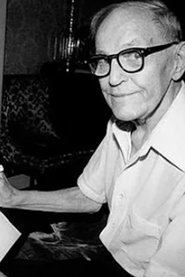
More from Otto Messmer
View all →
More about this film
About the production
Release date1925
Box officeNot individually tracked - Felix cartoons were typically part of theater programs
ProductionPat Sullivan Studios
Filmed inNew York City, New York
Created using traditional cel animation techniques with each frame drawn by hand. The cartoon was produced during the peak of Felix the Cat's popularity in the mid-1920s. Otto Messmer worked with a small team of animators to create these shorts, typically producing one cartoon every few weeks. The animation was done on paper, then transferred to cels for photographing.
Themes
Themes & topics
Historical background
Felix Trifles with Time (1925) belongs to Felix the Cat's peak popularity before sound transition.
Why this film matters
Felix's surreal problem-solving influenced early American animation and merchandise culture.
Making of
The production of 'Felix Trifles with Time' took place at Pat Sullivan Studios in New York City, where Otto Messmer led a small team of animators. Despite Pat Sullivan taking official credit, it was Messmer who was the creative force behind Felix the Cat, conceiving the character and directing most of the cartoons. The animation process was labor-intensive, with each frame drawn by hand on paper before being transferred to celluloid sheets for photographing. The cartoon's time travel premise allowed for creative visual gags and the exploration of different historical settings, which was a common trope in Felix cartoons. The studio typically worked on multiple cartoons simultaneously, with animators often specializing in certain scenes or character movements. The lack of dialogue meant that all storytelling had to be done through visual gags, pantomime, and occasional title cards.
What critics said
Kids' matinees loved Felix; animation historians cite the Stone Age reversal gag.
Did you know?
- This cartoon was released during what many consider the golden age of Felix the Cat, when he was widely recognized characters in the world
- Otto Messmer, the true creator of Felix the Cat, received no official credit for most of his work during his lifetime
- Father Time appears as a character in several Felix cartoons, often serving as a plot device for time travel scenarios
- The Stone Age setting was a popular theme in early animation, allowing for creative gags and visual humor
- Felix's ability to detach and use his tail as a tool was one of his signature characteristics that made him unique among cartoon characters
- This cartoon was produced before the advent of synchronized sound in animation, making it part of the silent era of cartoons
- Many Felix cartoons from this period have been lost due to the unstable nature of early film stock
- The bribe Felix offers to Father Time typically included items like clocks, watches, and other time-related objects
- Felix the Cat was the first animated character to achieve massive merchandising success, appearing on dolls, toys, and various products
- This cartoon exemplifies the surreal and dreamlike quality that made early Felix cartoons distinctive
Visual style
The cinematography of 'Felix Trifles with Time' utilized the standard techniques of silent animation, with static camera positions focusing on the action within each frame. The visual style featured bold black lines against white backgrounds, creating high contrast that worked well on the silver screens of the era. The animation employed limited but effective use of depth through layering of cels, creating a sense of space within the two-dimensional medium. The Stone Age sequences featured distinctive visual motifs including cave drawings, primitive tools, and dinosaur elements that helped establish the prehistoric setting. The transitions between time periods were handled through simple but effective visual effects such as dissolves and magical transformations.
Innovations
While not technically groundbreaking for its time, 'Felix Trifles with Time' demonstrated the sophisticated use of character animation that had become standard in Felix cartoons by 1925. The cartoon featured smooth character movement and expressive animation that conveyed emotion without dialogue. The time travel effects, while simple by modern standards, were effective in conveying the magical nature of Father Time's powers. The animation team's ability to create distinct visual environments for different time periods showed their technical versatility. The cartoon also exemplified the efficient production techniques that allowed Pat Sullivan Studios to maintain a regular release schedule of high-quality cartoons.
Music
As a silent cartoon, 'Felix Trifles with Time' would have been accompanied by live musical performance in theaters. Theater organists or small orchestras would typically provide improvised or pre-selected music to match the on-screen action. The score would have included popular songs of the 1920s, classical pieces, and original compositions tailored to specific scenes. For the time travel sequences, musicians might have used mysterious or magical themes, while the Stone Age scenes could have featured primitive-sounding rhythms. The music was crucial in conveying emotion and pacing in the absence of dialogue or synchronized sound effects.
Famous quotes
(Title card) Felix is hungry - very hungry!
(Title card) Father Time, please send me back to the good old days!
(Title card) The Stone Age wasn't so easy after all!
Memorable scenes
- The opening sequence showing Felix desperately searching for food in empty cupboards and streets
- Felix's creative attempt to bribe Father Time with various time-related objects
- The magical transformation sequence as Felix is sent back in time
- Felix's first encounters with Stone Age life and primitive conditions
- The climactic scene where Felix must use his wits to survive in the prehistoric world
What audiences thought
Felix the Cat cartoons were enormously popular with audiences in the 1920s, drawing crowds to theaters specifically to see the latest adventures. The character's relatable struggles with hunger and his clever solutions resonated with viewers during the economically prosperous but still challenging times of the Roaring Twenties. Children particularly loved Felix's magical abilities and his ability to overcome any obstacle through wit and creativity. Adults appreciated the sophisticated humor and social commentary often embedded in the cartoons. The time travel element was especially popular, as it allowed audiences to experience different historical periods through Felix's eyes.
Film connections
Influenced by
- Earlier Felix the Cat cartoons
- Silent film comedies
- Vaudeville humor
- Comic strip traditions
- Surrealist art movements
This film influenced
- Later Felix the Cat cartoons
- Early Disney shorts
- Time travel cartoons of the 1930s
- Modern animated shorts featuring historical settings
Film restoration
Many Felix the Cat cartoons from the 1920s have been lost due to the unstable nature of early film stock, but 'Felix Trifles with Time' survives in archives and has been preserved through various restoration efforts. The cartoon exists in 16mm and digital formats, though some original quality may be lost compared to the original 35mm theatrical release. The film is part of various animation archives and has been included in Felix the Cat compilation releases.
Where to watch
- Available on various Felix the Cat compilation DVD releases
- Some public domain animation websites
- Animation archive collections
- Classic animation streaming services
- Museum film programs featuring silent animation