Woos Whoopee
"Beyond the cartoons"
Keys: Space play/pause · ←/→ 10s · F fullscreen · M mute · </> speed
About this film
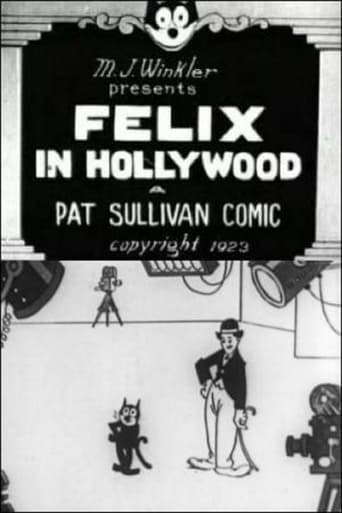
One of Otto Messmer's most unusual Felix cartoons. It portrays Felix as an inebriated feline being chased by all kinds of demons only to be welcomed by the greatest demon of all, the angry wife.
Cast & crew
More films like this
More Animation films
View all →


More from Otto Messmer
View all →
More about this film
About the production
Release dateNovember 1928
BudgetNot documented individually for this short film
Box officeNot tracked separately for theatrical shorts of this era
ProductionPat Sullivan Studios
Filmed inNew York City, New York (animation studio)
This cartoon was created during the peak of Felix the Cat's popularity in the late silent era. Otto Messmer, though not officially credited as director in many releases, was the primary creative force behind Felix's character and most of his cartoons. The animation was produced using traditional cel animation techniques, with each frame hand-drawn on paper before being transferred to celluloid. The production process was labor-intensive, requiring thousands of individual drawings for a typical 6-7 minute cartoon. This particular short the more surreal and experimental side of Felix cartoons, pushing the boundaries of what could be shown in mainstream animation of the time.
Themes
Themes & topics
Historical background
Made in its country of production around 1928, Woos Whoopee belongs to the late silent period. Its story of one of otto messmer's most unusual felix cartoons spoke to audiences of the day through familiar genres and topical settings.
Why this film matters
Archivists and historians still cite Woos Whoopee when tracing how the late silent period filmmakers staged otto and messmer on screen.
Making of
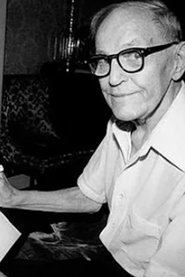
Production details for Woos Whoopee are sparse in surviving records. Direction is attributed to Otto Messmer.
What critics said
Reviews from 1928 weighed Woos Whoopee on pacing, performance, and novelty. Later criticism reads its emphasis on otto, messmer, unusual through modern standards of craft and representation.
Did you know?
- Directed by Otto Messmer.
- Production country: United States.
- Release year commonly listed as 1928.
- Woos Whoopee (sometimes referred to as Felix the Cat in Woos Whoopee or Felix Woos Whoopee) is a surreal, animated 1930 Felix the Cat short subject produced.
- TMDB identifier: 40848.
Visual style
The visual style of 'Woos Whoopee' exemplifies the sophisticated black and white cinematography of late silent animation. The cartoon uses dramatic lighting effects, particularly in the demon sequences, to create a nightmarish atmosphere. The animation employs strong contrast between light and shadow, enhancing the surreal quality of Felix's hallucinations. The camera work, though limited by the technology of the time, includes creative angles and perspectives that add to the dreamlike quality of the film. The demon characters are animated with exaggerated, fluid movements that take advantage of the medium's ability to defy physical laws. The visual storytelling relies heavily on silhouettes and negative space, particularly in the chase sequences. The cartoon's composition demonstrates the growing sophistication of animation layout, with careful attention to framing and movement within the frame.
Innovations
This cartoon demonstrates several technical innovations for its time, including sophisticated character animation with more fluid movement than earlier cartoons. The surreal sequences feature innovative use of metamorphosis, with characters and objects transforming in impossible ways. The film advanced timing and spacing techniques, particularly in the fast-paced chase sequences. The demon characters exhibit rubber-hose animation principles that were becoming standard in the industry. The cartoon's complex narrative structure, moving from reality to hallucination and back, represents an advancement in animated storytelling. The visual effects used to create the drunken perspective show technical creativity within the limitations of 1920s animation technology. The film's ability to convey complex emotions and psychological states through purely visual means was a significant achievement in silent animation.
Music
As a silent film, 'Woos Whoopee' would have been accompanied by live musical performance during theatrical exhibition. The typical score for Felix cartoons included popular songs of the era, classical pieces, and original mood music. Theater organists or pianists would synchronize their music to the on-screen action, using cue sheets provided by the studio. The drunken sequences would likely have been accompanied by comic, stumbling music, while the demon chase would feature dramatic, dissonant passages. The cartoon's title suggests the possible use of the popular song "Makin' Whoopee" or similar contemporary jazz tunes. The music was crucial to establishing the mood and timing of the gags, serving as an essential element of the viewing experience despite the film being technically silent.
Famous quotes
(Intertitle) Felix decides to make whoopee!
(Intertitle) But whoopee has its consequences!
(Intertitle) The demons of the night come out to play!
(Intertitle) But the worst demon awaits at home!
Memorable scenes
- The opening sequence where Felix begins his night of revelry, showing his transformation from sober cat to inebriated party animal
- The surreal demon chase through a distorted landscape where physics and reality break down
- The climactic reveal where Felix escapes all the supernatural horrors only to face his furious wife, portrayed as the ultimate demon
What audiences thought
Patrons who saw Woos Whoopee during initial runs judged it alongside other silent feature releases of the day.
Film connections
Influenced by
- German Expressionism
- Surrealist art movement
- Vaudeville comedy
- Silent film comedy traditions
- Contemporary jazz culture
- Prohibition-era social commentary
This film influenced
- Early Disney cartoons
- Warner Bros. Looney Tunes
- MGM's Tom and Jerry
- Surreal sequences in Disney's 'Dumbo'
- Nightmare on Elm Street's dream sequences
Film restoration
The film exists in archives and private collections, though like many silent cartoons, the original nitrate prints have deteriorated. Restored versions are available through various animation archives and classic film distributors. Some versions may be incomplete or show signs of age-related damage.
Where to watch
- Available on various Felix the Cat compilation DVDs
- Streaming on classic animation platforms
- Accessible through animation archive websites
- Included in some public domain animation collections
- Available through film preservation organization screenings