Whys and Otherwise
"Felix tells three lies to his angry wife"
Keys: Space play/pause · ←/→ 10s · F fullscreen · M mute · </> speed
About this film
Felix the Cat comes home late after a night of drunken revelry at a nightclub. He tells his rolling pin-wielding wife three ludicrous tales to explain himself.
Cast & crew
More films like this
More Animation films
View all →



More from Otto Messmer
View all →
More about this film
About the production
Release date1927
Box officeNot tracked individually - cartoon shorts were typically packaged as part of theater programs rather than earning separate box office figures
ProductionPat Sullivan Studios
Filmed inNew York City, New York
Created during the peak of Felix the Cat's popularity in the mid-1920s, this short was produced using traditional cel animation techniques with each frame hand-drawn and inked. The film was made just before the transition to sound cartoons would revolutionize the industry. Otto Messmer supervised the animation while Pat Sullivan retained production credit and ownership of the character. The cartoon was distributed theatrically as part of the Margaret Winkler/M.J. Winkler Productions package deal.
Themes
Domestic relationships and marital dynamicsDeception and storytellingConsequences of nightlife and drinkingSurrealism and breaking physical lawsMale accountability and excuses
Themes & topics
Felix the CatTall talesComing home lateDomestic disputeNightclubDrinkingExcusesSurreal animationSilent cartoonBlack and white animationNested storiesMarital conflict
Historical background
Made during the silent-to-sound transition near 1927, Whys and Otherwise reached audiences through theatrical programs, fairground booths, or specialized distribution channels typical of its generation. Felix the Cat comes home late after a night of drunken revelry at a nightclub. He tells his rolling pin-wielding wife. Historians now read such works for what they reveal about production methods, national taste, and the expanding vocabulary of screen narrative.
Why this film matters
Archivists and programmers still screen Whys and Otherwise when tracing how popular entertainment evolved. Its subject—felix the cat comes home late after a night of drunken revelry at a nightclub. he tells his rolling—gives later viewers tangible evidence of what drew crowds in the silent period. Home video, restorations, and festival sidebars keep the title circulating among students of film history.
Making of
The production of 'Whys and Otherwise' took place at Pat Sullivan Studios in New York City, where Otto Messmer led a small team of animators creating Felix cartoons at a remarkable pace. The animation process involved drawing each frame on paper, transferring to cels, and photographing them one by one. Messmer's innovative animation style emphasized fluid movement and surreal transformations that set Felix apart from contemporaries. The film's score would have been created by theater organists during exhibition, using cue sheets provided by the studio. The domestic themes reflected common situations in 1920s life, while the surreal elements allowed for creative freedom impossible in live-action films. This cartoon was produced during a transitional period in animation, just before synchronized sound would revolutionize the medium and ultimately contribute to Felix's decline in popularity.
What critics said
Original trade coverage treated Whys and Otherwise as routine program filler rather than a landmark production—typical of steady studio output. Later criticism emphasizes preservation, stylistic comparison with contemporaries, and whatever cast or crew names later gained prominence. Contemporary writing is mostly historical: assessing completeness, influence, and place in a director's or studio's catalog.
Did you know?
- This film was created during Felix the Cat's absolute peak popularity, when the character was arguably the most famous animated figure in the world
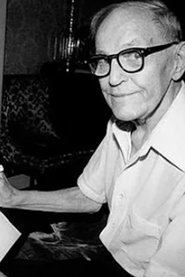
- Otto Messmer was the actual creator and animator of Felix, though producer Pat Sullivan took public credit for the character's creation
- The three-story structure within the film was a common narrative device used in several Felix cartoons to showcase surreal scenarios
- The nightclub setting reflects the real-life speakeasy culture of the Roaring Twenties during Prohibition
- Felix's wife character appears in multiple cartoons, often serving as a domestic foil to Felix's adventures
- The rolling pin became a recurring prop in domestic Felix cartoons, symbolizing marital discord
- This film demonstrates the surreal, dreamlike quality that distinguished Felix from more realistic contemporary animations
- Felix's ability to break the fourth wall and manipulate his environment was revolutionary for 1920s animation
- The film was released just one year before Mickey Mouse's debut in 'Steamboat Willie' would change animation forever
- Many Felix cartoons from this period were lost over time, making surviving examples like this particularly valuable to animation historians
Visual style
As an animated film, the visual style of 'Whys and Otherwise' represents the sophisticated black and white cel animation techniques of the mid-1920s. Messmer's animation emphasized fluid movement and expressive character animation that brought personality to every gesture. The film makes creative use of negative space and minimalist backgrounds to focus attention on Felix's antics and transformations. The limited animation techniques of the era required careful planning of movement to maximize impact while minimizing production time. The contrast between the domestic setting of the frame story and the fantastical environments of Felix's tales creates visual variety within the short format. The animation demonstrates remarkable sophistication in timing and squash-and-stretch techniques that would become standard principles of animation.
Innovations
The film demonstrates the sophisticated character animation techniques developed by Messmer and his team at Pat Sullivan Studios. Felix's ability to transform his body and interact with his environment was technically innovative for the time, requiring complex planning and execution. The film's use of metamorphosis and surreal effects pushed the boundaries of what was possible with 1920s animation technology. The timing and pacing of the gags show an advanced understanding of comedic rhythm that was ahead of its time. The nested narrative structure within a short format required careful editing and pacing to maintain clarity. The animation achieves remarkable expressiveness despite the technical limitations of the era, with Felix's personality conveyed through movement rather than dialogue.
Music
As a silent film, 'Whys and Otherwise' had no synchronized soundtrack, but would have been accompanied by live music during theatrical exhibition. Theater organists or small orchestras would provide musical accompaniment, typically improvising based on cue sheets supplied by the studio. The nightclub scenes would have suggested jazz or popular dance music of the Roaring Twenties to accompanists. The confrontational scenes with Felix's wife might have been scored with dramatic, staccato music to heighten the tension. The fantastical tales would have allowed for creative musical interpretation, with accompanists using their full range of sounds and effects to match the surreal visuals on screen.
Famous quotes
As a silent film, dialogue was conveyed through intertitles and visual storytelling rather than spoken quotes
Memorable scenes
- Felix's drunken return home, stumbling and weaving as he navigates back to his house
- The confrontation scene where Felix's wife confronts him with the rolling pin, her anger building through expressive animation
- The first tall tale where Felix creates an elaborate story involving fantastic adventures
- The increasingly surreal second story that pushes the boundaries of reality
- The final and most outrageous tale that showcases Felix's wildest imagination
- Felix's desperate attempts to convince his wife of his increasingly unbelievable excuses
What audiences thought
Felix cartoons were extremely popular with theater audiences throughout the 1920s, often drawing crowds specifically to see the latest adventures of the mischievous cat. The character's rebellious nature and surreal humor resonated with audiences of all ages, making Felix one of the few animated characters with genuine cross-generational appeal. The domestic themes in films like 'Whys and Otherwise' struck a chord with adult viewers while the fantastic elements entertained children. Audiences particularly enjoyed Felix's ability to outsmart his adversaries and bend reality to his will. The cartoons were so popular that theaters would advertise Felix appearances prominently on their marquees, sometimes billing them above the feature films.
Film connections
Influenced by
- Vaudeville comedy routines
- Domestic comedy genres
- Surrealist art movement
- Earlier comic strip traditions
- Silent film comedy conventions
This film influenced
- Later animated shorts featuring domestic situations
- The use of nested stories in animation
- Cartoon physics conventions
- Character-driven animation
- Adult-oriented animated comedy
Film restoration
Many Felix the Cat cartoons from the silent era have survived better than many contemporaries due to the character's immense popularity. 'Whys and Otherwise' exists in film archives and has been included in various Felix the Cat collections for home video. Some restoration work has likely been done for DVD and digital releases, though the original film elements show the age typical of materials from this period. The cartoon is considered to be in good preservation status compared to many other silent animations, with complete copies available for viewing.
Where to watch
- Classic animation collections on DVD and Blu-ray
- Public domain animation websites
- Online animation archives and museum collections
- Specialized streaming services focusing on classic animation
- Film archive screenings and animation festivals
- Educational institutions with animation collections
- Some YouTube channels specializing in public domain cartoons