Felix All Puzzled
"Crossword sends cat to Russia"
Keys: Space play/pause · ←/→ 10s · F fullscreen · M mute · </> speed
About this film
Felix the Cat travels to Russia to solve a crossword clue and is chased as a suspected spy. Felix is hungry, but his owner won't feed him until he's finished his crossword puzzle! Only one word left -- a 7-letter "chiefly found in Russia." Felix goes all the way to Russia to find the answer, but he's immediately accused of spying and has to run for his life.
Cast & crew
More films like this
More Animation films
View all →




More from Otto Messmer
View all →
More about this film
About the production
Release dateNovember 15, 1925
ProductionPat Sullivan Studios
Filmed inNew York City, New York, USA
This cartoon was produced during the peak of Felix the Cat's popularity in the mid-1920s. The animation was created using traditional cel animation techniques, with each frame hand-drawn by Otto Messmer and his team. The Russian setting was particularly relevant in 1925, as the Soviet Union was relatively new and mysterious to Western audiences. The crossword puzzle theme reflected the growing popularity of crosswords in American culture during the 1920s.
Themes
Hunger and motivationProblem-solvingCultural misunderstandingAdventure and explorationIntelligence vs. authority
Themes & topics
Historical background
1925 placed Felix All Puzzled within United States cinema as Pat Sullivan Studios navigated wartime markets, immigration audiences, and the shift from intertitles to sound.
Why this film matters
Archivists revisit Felix All Puzzled (1925) for Otto Messmer style, genre norms at Pat Sullivan Studios, and the exhibition context of 7 minutes programming.
Making of
The production of 'Felix All Puzzled' took place at Pat Sullivan Studios in New York City, with Otto Messmer leading the animation team. The cartoon was created using labor-intensive cel animation techniques, with each frame hand-drawn and inked. Messmer was known for his innovative approach to animation, often breaking the fourth wall and having Felix interact directly with the audience. The Russian setting required the animators to research and create distinctive backgrounds and characters that would be recognizable as Russian to 1925 audiences. The crossword puzzle element was carefully integrated into the narrative, with the animators ensuring the puzzle was visually clear and the solution satisfying. The production team worked under tight deadlines, as Felix cartoons were in high demand and produced on a regular schedule for theatrical release.
What critics said
Retrospective writing on Felix All Puzzled stresses craft by Otto Messmer, print survival, and repertory value rather than opening-week gross alone.
Did you know?
- This cartoon was released during the height of Felix the Cat's popularity, when he was more famous than even live-action stars like Charlie Chaplin.
- The crossword puzzle featured in the cartoon reflects the crossword craze that swept America in the 1920s.
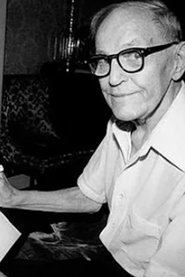
- Otto Messmer, the true creator of Felix, never received proper credit during his lifetime as Pat Sullivan took most of the credit.
- The Russian setting was topical for 1925, as the Soviet Union was still relatively new and mysterious to Western audiences.
- Felix's ability to use his tail as a tool and his fourth-wall breaking moments were revolutionary animation techniques for the time.
- This cartoon was one of over 100 Felix the Cat shorts produced during the 1920s.
- The spy accusation theme reflects the political tensions between the West and Soviet Union in the early post-revolutionary period.
- Felix was the first animated character to achieve massive merchandising success, with dolls, toys, and other products.
- The cartoon's humor relies heavily on visual gags, as it was produced during the silent film era.
- This short was distributed by Margaret J. Winkler, one of the few women film distributors of the era.
Visual style
The cinematography of 'Felix All Puzzled' follows the conventions of silent-era animation, with static camera positions and clear, uncluttered compositions to ensure the action was easily readable. The animation uses strong black-and-white contrast to create depth and focus attention on Felix and his interactions. The Russian scenes feature distinctive architectural elements and landscape designs to establish the foreign setting. The cartoon employs the characteristic Felix animation style with bold lines and expressive character designs. Visual storytelling is emphasized throughout, with each frame carefully composed to convey narrative information without dialogue.
Innovations
This cartoon showcases several technical innovations for its time, including sophisticated character animation that gives Felix personality and emotion. The use of metamorphosis, where Felix transforms objects or himself, was groundbreaking and became a signature of the series. The animation demonstrates early use of squash and stretch techniques to create more dynamic movement. The integration of a crossword puzzle into the narrative showed how animation could incorporate contemporary cultural elements. The cartoon also features relatively complex background designs for the Russian sequences, showing the evolution of animation beyond simple characters against blank backgrounds.
Music
As a silent film, 'Felix All Puzzled' would have been accompanied by live musical performance in theaters. The typical score would have been provided by a theater organist or small orchestra, using popular songs of the era and classical pieces to match the on-screen action. The Russian scenes would likely have featured appropriate musical themes such as Russian folk songs or classical pieces by Russian composers like Tchaikovsky or Rachmaninoff. The chase sequences would have been accompanied by fast-paced, exciting music, while humorous moments would have used lighter, playful melodies. The specific musical selections would have varied by theater and the musicians available.
Famous quotes
(Silent film - no dialogue, but notable intertitles would include puzzle clues and narrative text)
Memorable scenes
- Felix transforming his tail into various tools to solve problems, Felix being chased by Russian authorities through snow-covered landscapes, Felix finally discovering the answer to the crossword puzzle through his Russian adventure, Felix using his cartoon physics to escape capture in creative ways
What audiences thought
During its original release, 'Felix All Puzzled' was well-received by theater audiences who eagerly anticipated new Felix adventures. Felix was one of the biggest box office draws of the mid-1920s, with his shorts often being the main attraction rather than supporting features. Audiences particularly enjoyed Felix's clever problem-solving and the visual humor that transcended language barriers. The Russian setting added an element of exotic adventure that appealed to audiences' curiosity about foreign lands. Modern audiences viewing the cartoon today often appreciate its historical significance and charm, though some may find the silent-era pacing different from contemporary animation.
Film connections
Influenced by
- Earlier comic strips and cartoons
- Vaudeville comedy traditions
- Silent film comedy techniques
- Contemporary newspaper crossword puzzles
This film influenced
- Later Mickey Mouse cartoons
- Warner Bros. Looney Tunes
- Tom and Jerry cartoons
- Modern animated shorts featuring problem-solving narratives
Film restoration
Many Felix the Cat cartoons from this era have survived through various archives and private collections. 'Felix All Puzzled' exists in film archives and has been preserved as part of animation history. Some versions may show wear and deterioration typical of films from this period. The cartoon has been included in various Felix the Cat compilation releases and is available through animation archives and specialty distributors.
Where to watch
- Various public domain animation websites
- Felix the Cat DVD collections
- Animation archive streaming services
- Museum film programs specializing in classic animation
- YouTube (through official animation channels)