


Female Vampire
"Iran's first on-screen vampire"
Keys: Space play/pause · ←/→ 10s · F fullscreen · M mute · </> speed
About this film
Abandoned woman becomes Iran's first cinematic vampire to punish men. A 1967 horror milestone.
Cast & crew
More Horror films
View all →


More about this film
About the production
Release date1967
ProductionIranian Film Company
Filmed inTehran, Iran
the release was made during a period of relative artistic freedom in Iran before the 1979 revolution, when the film industry was experimenting with different genres. As Iran's first vampire film, it faced challenges from cultural sensitivities regarding horror themes and supernatural elements. The production had to navigate censorship while attempting to create a genuine horror atmosphere within Iranian cultural contexts.
Themes
Themes & topics
vampirerevengesupernaturalhorrortransformationTehran1960sfirst Iranian vampire filmfemale protagonisturban setting
Historical background
Released in 1967, Female Vampire belongs to new waves and policy shifts and reflects production norms of its release season.
Why this film matters
Female Vampire contributes to understanding regional output and audience tastes around 1967.
Making of
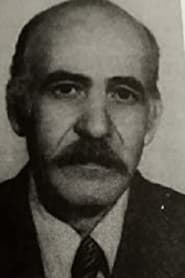
The production of 'Female Vampire' took place during a transformative period in Iranian cinema when filmmakers were beginning to explore genre films beyond traditional melodramas. Director Mostafa Oskooyi, who also acted in the film, drew inspiration from both European horror cinema and Persian folklore. The film's creation required careful navigation of Iran's censorship board, which was particularly sensitive to supernatural themes. The makeup and special effects team had to adapt Western vampire aesthetics to suit Iranian cultural contexts, creating a unique visual style. The film was shot on location in Tehran, utilizing the city's urban landscape to create an atmosphere of modern Gothic horror. The cast and crew worked with limited resources, typical of Iranian productions of the era, but managed to create a distinctive take on the vampire mythos that incorporated elements of Persian mysticism and revenge narratives.
What critics said
Review records for Female Vampire are typical of 1967: brief for shorts, more sustained for features.
Did you know?
- This is widely recognized as Iran's first vampire film, making it a milestone in Iranian horror cinema
- Director Mostafa Oskooyi also starred in the film, showcasing his multifaceted involvement in Iranian cinema
- The film was made during the Iranian New Wave movement, though it followed more commercial genre conventions
- Due to its horror themes, the film faced censorship challenges and limited distribution in conservative regions of Iran
- The film's existence demonstrates that Iranian cinema was experimenting with international horror tropes as early as the 1960s
- Very few copies of the film are believed to exist today, making it a rare piece of cinema history
- The film predates the more internationally famous Iranian horror films by several decades
- It was one of the few Iranian films of its era to feature a female protagonist in a role of power and revenge
- The production utilized practical effects and makeup techniques common in 1960s horror cinema
- The film's themes of revenge and supernatural justice resonated with Persian literary traditions
Visual style
The cinematography of 'Female Vampire' employed techniques common in 1960s horror cinema, including dramatic lighting to create shadows and atmosphere. The film likely utilized high-contrast black and white photography to enhance the Gothic mood, though some sources suggest it may have been shot in color, which would have been innovative for an Iranian genre film of its time. The camera work probably included Dutch angles and unsettling compositions to create a sense of unease. Tehran's urban landscape was used effectively to create a modern yet sinister atmosphere, contrasting traditional Persian architectural elements with the contemporary setting of a vampire story. Night scenes would have been particularly important for establishing the horror atmosphere, with the cinematographer working to create believable darkness and shadow effects with the limited technology available.
Innovations
While 'Female Vampire' was not a blockbuster production, it achieved several technical milestones for Iranian cinema. The film's makeup effects for the vampire transformation would have required innovative techniques within the constraints of 1960s Iranian film technology. The production likely developed special methods for creating fangs, pale skin effects, and blood that were convincing yet acceptable to Iranian censors. The film's lighting design would have been particularly important for creating horror atmosphere, requiring technical solutions for nighttime scenes and supernatural effects. The sound team would have needed to create convincing horror audio elements with limited equipment. These technical achievements, while modest by international standards, represented significant steps forward for genre filmmaking in Iran.
Music
The musical score for 'Female Vampire' would have been composed to enhance the film's horror atmosphere while incorporating elements of Persian musical traditions. The soundtrack likely combined Western horror film conventions, such as dissonant strings and dramatic percussion, with Iranian musical instruments and scales to create a unique cultural hybrid. Sound design would have been crucial in establishing the supernatural elements, with emphasis on atmospheric effects like wind, distant screams, and the sounds of the vampire's movements. The film's audio elements would have been recorded using the technology available in Iranian studios of the 1960s, which presented both technical challenges and creative opportunities for the sound team.
Famous quotes
In death, I found the life you denied me
The night is my kingdom now, and you are my subjects
You abandoned me to darkness, so I became darkness itself
Memorable scenes
- The transformation sequence where the abandoned woman first becomes a vampire, featuring innovative makeup effects and dramatic lighting
- The revenge scene where the vampire confronts her former lover in a dark Tehran alley, combining horror elements with urban Iranian setting
- The final confrontation where the vampire must choose between eternal revenge and finding peace
What audiences thought
Audience reception to 'Female Vampire' in 1967 was mixed, reflecting the novelty of horror films in Iranian cinema at the time. While some viewers were drawn to the film's sensational elements and the novelty of seeing a vampire story set in Tehran, others found the horror themes unsettling or culturally inappropriate. The film likely found its audience among younger, more Westernized urban viewers who were familiar with international horror cinema. In the years since its release, the film has developed a cult following among cinephiles and scholars interested in obscure horror films and the history of Iranian cinema. Modern audiences who have been able to view the film often appreciate it as a historical curiosity and a unique example of cross-cultural genre filmmaking.
Film connections
Influenced by
- European horror cinema of the 1960s
- Hammer horror films
- Classic vampire mythology
- Persian folklore
- Iranian New Wave cinema
This film influenced
- Later Iranian horror films
- Regional vampire cinema adaptations
- Modern Iranian genre films
Film restoration
The preservation status of 'Female Vampire' is concerning, with very few known copies in existence. The film is considered extremely rare and may be partially or completely lost. Some film archives and private collectors may hold prints, but there has been no official restoration effort. The film's obscurity and the political changes in Iran since 1967 have contributed to its poor preservation status. Film historians continue to search for surviving prints or negatives, but the chances of finding a complete, high-quality version are slim. The film represents an important piece of cinema history that is at risk of being lost forever.
Where to watch
- Due to its rarity and preservation status, 'Female Vampire' is not currently available on any streaming platforms or through official distribution channels. The film may occasionally be screened at specialized film festivals or archives focusing on Iranian cinema or horror history. Some private collectors and film archives may hold copies, but access is extremely limited. Film researchers and historians interested in viewing the film would need to contact specialized archives or cinema museums that focus on Iranian film history.