Films
1 film
About Homayoondokht
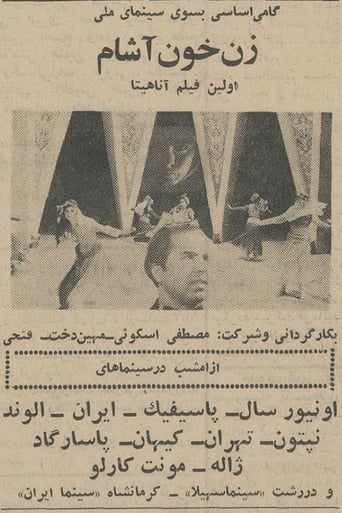
Homayoondokht is a little-documented screen performer associated with the 1967 film "Female Vampire," a title that has been circulated in international horror-cinema and exploitation-film contexts. Available public sources provide very limited biographical information, and she does not appear to have had a widely documented career in mainstream international film histories. Her name is most prominently attached to one known screen credit, suggesting either a very brief acting career or a career concentrated in a local or regional film market whose records are not widely preserved in English-language reference works. Because of the scarcity of surviving documentation, details such as her training, family background, and broader body of work cannot be confidently confirmed. She is best understood today as a peripheral but intriguing figure in the history of late-1960s genre cinema, especially for researchers tracing under-documented performers in horror and exploitation productions. Her screen presence is therefore preserved more through film credits than through extensive biographical literature. As with many figures from smaller or less internationally cataloged productions, her legacy rests primarily on the film itself and the curiosity it continues to generate among cult-cinema scholars.
The Craft
On Screen
No reliable critical descriptions of Homayoondokht's acting style have been located in widely available sources. Based on the limited information currently accessible, any characterization would be speculative. Her work is preserved primarily through her credited appearance rather than through reviews or performance analyses. Researchers would need access to surviving prints, contemporary reviews, or regional-language sources to make a meaningful assessment of her screen persona or technique.
Milestones
- Appeared in the 1967 film "Female Vampire," the only widely documented screen credit associated with the name Homayoondokht
- Became part of the cult-cinema record through association with an internationally discussed horror/exploitation title
- Represents the kind of lesser-documented performer whose work survives in film credits even when broader biographical records are scarce
- Contributes to the historical record of late-1960s genre cinema through a single credited performance
Best Known For
Iconic Roles
Must-See Films
Why They Matter
Impact on Culture
Homayoondokht's cultural impact is best understood within the niche world of cult and genre-film scholarship rather than mainstream cinema history. Her credited presence in "Female Vampire" gives her a place in the documentation of late-1960s horror and exploitation cinema, a field that often includes performers whose names are preserved more in filmographies than in biographies. For database and archival researchers, she represents an important category of under-recorded screen talent: artists whose careers are visible in credits but whose lives have not been comprehensively documented. This makes her significant as part of the broader effort to recover and preserve the contributions of overlooked performers, especially in international cinema. Even with minimal biographical data, her name remains a point of reference for scholars and fans tracing obscure genre productions and the people who appeared in them.
Lasting Legacy
Her lasting legacy is primarily archival. Homayoondokht remains remembered, insofar as she is remembered at all, through her association with "Female Vampire" and the continuing interest in cult horror cinema from the 1960s. Because so little personal documentation survives in widely accessible sources, her importance lies in reminding film historians how many performers from regional or low-budget cinema remain underrepresented in conventional histories. In that sense, her legacy is tied to preservation, cataloging, and rediscovery. She stands as one of many figures whose contributions become visible only when film scholars and database editors reconstruct the cast lists of older, obscure titles.
Who They Inspired
There is no documented evidence that Homayoondokht directly influenced other actors or directors in the way a major star or widely studied artist might. However, her participation in a cult title contributes indirectly to the influence of the film itself, which continues to be discussed by genre enthusiasts and historians. By remaining part of the surviving cast record, she helps preserve the texture and authenticity of the production's historical footprint. Her broader influence is therefore institutional and archival rather than stylistic or industry-shaping.
Off Screen
No reliable public information has been found regarding Homayoondokht's personal life, including family background, marital status, children, residence, or later-life activities. Unlike major studio-era performers, she does not appear to have extensive biographical coverage in standard English-language film references. At present, her personal history remains largely undocumented in the public record. Any further claims about her family or private life would be speculative.
Education
No verified information is publicly available regarding her education or artistic training.
Did You Know?
- Homayoondokht is primarily documented through a single known film credit rather than a broad filmography.
- Her name is associated with the 1967 cult title "Female Vampire."
- Publicly available English-language sources provide very little biographical detail about her.
- She appears to be one of many under-documented performers whose careers are preserved mainly through cast lists.
- Her scarcity of documentation makes her a subject of interest for film archivists and cult-cinema researchers.
- No verified awards, nominations, or honors are currently associated with her in widely accessible sources.
Frequently Asked Questions
Who was Homayoondokht?
with credits in this catalog." Very little verified biographical information about her survives in widely accessible film reference sources. She is therefore best known today as an under-documented figure in cult and genre cinema.
What films is Homayoondokht best known for?
Titles linked here include Female Vampire (1967).
When was Homayoondokht born and when did she die?
Her birth date and death date are not currently verified in accessible public sources. Likewise, her birthplace and other basic biographical details are not reliably documented. For database purposes, these fields should be treated as unknown unless new archival information is found.
What awards did Homayoondokht win?
No verified awards or nominations are currently associated with Homayoondokht in widely accessible sources. Her known legacy is tied to her film credit rather than to mainstream award recognition. If awards existed in a local or regional context, they are not currently documented in standard English-language references.
What was Homayoondokht's acting style?
No reliable critical descriptions of her acting style have been found in available sources. Because her documented screen presence is so limited, any detailed assessment would be speculative. Her performance can best be evaluated by viewing "Female Vampire" directly, if a surviving print is available.
What is Homayoondokht's legacy in film history?
Her legacy is mainly archival and historical: she represents the many performers whose names survive in cast lists even when biographies do not. Her presence in "Female Vampire" keeps her connected to late-1960s cult cinema and genre-film scholarship. In that sense, her importance lies in preservation and rediscovery rather than celebrity.