Fireside Reminiscences
"A broken-hearted husband thinks about the past as he sits by the fireplace"
Keys: Space play/pause · ←/→ 10s · F fullscreen · M mute · </> speed
About this film
A broken-hearted husband thinks about the past as he sits by the fireplace.
Cast & crew
More films like this
More Drama films
View all →







More from Edwin S. Porter
View all →

More about this film
About the production
Release dateOctober 1908
Box officeNot documented - box office tracking was not standardized in 1908
ProductionEdison Manufacturing Company
Filmed inEdison Studio, Bronx, New York
Filmed using Edison's proprietary 35mm film stock and equipment. The fireplace scenes likely used special lighting techniques to create the flickering fire effect. The film employed early special effects to transition between present and past sequences, possibly using dissolves or multiple exposures.
Themes
Memory and nostalgiaLove and lossThe passage of timeDomestic happinessGrief and healing
Themes & topics
fireplaceflashbackmemorygriefhusbandwifelove storydomestic dramaemotional journeyremembrance
Historical background
Released in 1908 during cinema's first decade, Fireside Reminiscences reached audiences when exhibitors were still defining programming conventions. The narrative hook—A broken-hearted husband thinks about the past as he sits by the fireplace—reflects what contemporary producers thought would draw viewers.
Why this film matters
Fireside Reminiscences remains discussed by archivists tracing how screen stories of its period represented work, desire, conflict, and social order. Its central situation—A broken-hearted husband thinks about the past as he sits by the fireplace—still prompts questions about genre conventions and audience expectations.
Making of
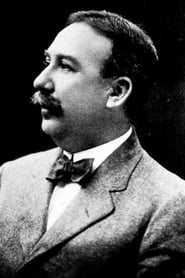
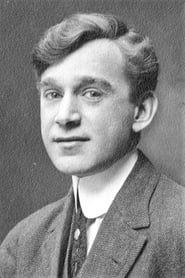
Edwin S. Porter directed this film during his peak creative period at Edison Studios. The production would have taken only a few days to shoot, as was typical for one-reel films of 1908. Porter was experimenting with narrative complexity and emotional depth during this period, moving away from the simple chase films and trick films that characterized early cinema. The fireplace scenes required careful lighting design to create realistic fire effects using available technology. The cast, consisting of Edward Boulden and the stage-named Miss Acton and Mr. Sullivan, were likely regular Edison stock players. Porter's approach to directing was highly technical, focusing on camera positioning, editing rhythms, and the emerging language of cinema rather than the method acting techniques that would come later.
What critics said
Trade and newspaper notices for Fireside Reminiscences generally emphasized casting, spectacle, and program fit rather than extended aesthetic argument. Retrospective screenings and archival notes continue to shape how viewers evaluate Fireside Reminiscences today.
Did you know?
- Edwin S. Porter was one of the first American directors to develop narrative storytelling techniques in film
- The Edison Manufacturing Company, where this film was produced, was founded by Thomas Edison and was a pioneer in early American cinema
- In 1908, films were typically sold directly to theaters rather than rented, making each print valuable
- The fireplace in the film was likely a constructed set piece, as location shooting was rare and difficult in 1908
- Edward Boulden was a regular actor in Edison productions, appearing in numerous Porter films
- The film represents an early example of psychological storytelling in cinema, focusing on internal emotional states
- Porter was known for his innovative editing techniques, which were revolutionary for the time
- The film may have been hand-tinted in some prints, as colorization was beginning to emerge in 1908
- Silent films of this era were accompanied by live music, typically piano or organ, during exhibition
- The film's title reflects the Victorian-era fascination with memory, nostalgia, and domestic sentimentality
Visual style
The cinematography in 'Fireside Reminiscences' utilized the stationary camera techniques typical of 1908, with carefully composed scenes that told the story through visual arrangement. The fireplace scenes required special lighting effects to create realistic fire glow on the actors' faces. Porter likely used multiple exposures or in-camera dissolves to transition between present and past sequences. The film was shot on Edison's 35mm film stock using the company's proprietary cameras. Visual storytelling was emphasized through the positioning of actors, props, and set elements within the frame. The cinematography reflects the emerging understanding of film as a visual medium capable of conveying emotion and narrative without intertitles.
Innovations
The film demonstrates several technical innovations for its time, including sophisticated use of flashback sequences to represent memory. Porter's editing techniques, including possible use of dissolves between scenes, were advancing the language of cinema. The fireplace effects required innovative lighting solutions using the limited technology available in 1908. The film's psychological storytelling represented a technical achievement in conveying internal emotional states through visual means. Porter's use of multiple perspectives and time shifts in the narrative structure was groundbreaking for the period. The production likely employed Edison's latest camera and lighting equipment, showcasing the studio's technical capabilities.
Music
As a silent film, 'Fireside Reminiscences' would have been accompanied by live music during exhibition. Typical accompaniment in 1908 nickelodeons included piano or organ music, with selections often drawn from popular songs of the era or classical pieces. The emotional nature of the film would have called for sentimental, melancholic music during the fireplace scenes and lighter, happier music for the flashback sequences. Some theaters may have used compiled cue sheets that suggested appropriate musical pieces for different emotional moments. The Edison Company sometimes provided musical suggestions with their films to ensure appropriate accompaniment.
Famous quotes
No dialogue was recorded in this silent film era production
Memorable scenes
- The opening scene with the husband sitting alone by the flickering fireplace, his face illuminated by the warm glow as he clutches a memento of his lost love
- The transition sequence where the flames seem to trigger his memories, possibly using special effects to dissolve into the past
- The flashback scenes showing happier times with his wife, contrasting sharply with his present solitude
- The final scene where the husband finds a measure of peace through his reminiscences, suggesting the healing power of memory
What audiences thought
Audiences in 1908 would have found 'Fireside Reminiscences' emotionally engaging due to its relatable themes of love and loss. The sentimental story appealed to the predominantly middle-class audiences who attended nickelodeons. The visual storytelling, enhanced by live musical accompaniment, would have created a powerful emotional experience for viewers of the era. The film's domestic setting and moral undertones aligned with Victorian values, making it acceptable family entertainment. Contemporary audiences likely appreciated the technical sophistication of the flashbacks and special effects, which were still novel to most viewers in 1908.
Film connections
Influenced by
- Victorian literature and sentimental novels
- Stage melodramas of the late 19th century
- Porter's own earlier narrative films
- The tradition of ghost stories and tales of the supernatural
- Contemporary paintings depicting domestic scenes
This film influenced
- Later Edison productions with similar emotional themes
- D.W. Griffith's early sentimental films
- The development of psychological drama in American cinema
- The emergence of flashback techniques in narrative films
Film restoration
The preservation status of 'Fireside Reminiscences' is uncertain, as many Edison films from 1908 have been lost. The film may exist in archives such as the Library of Congress, the Museum of Modern Art's film collection, or the George Eastman Museum. Some Edison films survive only in fragmentary form or as paper prints deposited for copyright purposes. The film's survival depends on whether complete nitrate prints were preserved or if it exists in the Library of Congress's paper print collection.
Where to watch
- Due to its age and uncertain preservation status, 'Fireside Reminiscences' is likely not commercially available. If preserved, it may be accessible through specialized film archives, museum collections, or academic institutions. The Library of Congress's motion picture collection, the Museum of Modern Art's film archive, or the George Eastman Museum might hold copies for research purposes. Some early Edison films have been included in DVD collections of silent cinema or made available through archival streaming services, but this specific title's availability would need to be verified with film preservation institutions.