Films
4 films
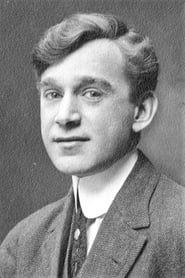
About Edward Boulden
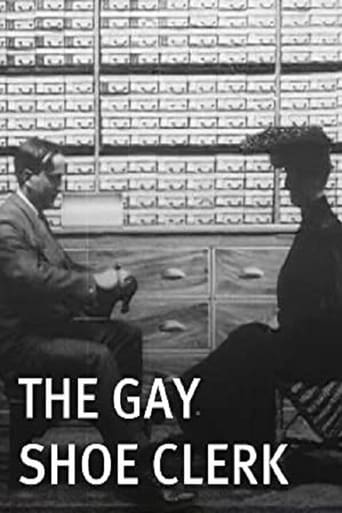
Actor during the days of American cinema, appearing in silent short films in the early 1900s. His known filmography spans from 1903 to 1908, placing him among the very first generation of film actors when the medium was still in its infancy. Boulden worked during the transitional period when cinema was evolving from novelty to storytelling art form, appearing in short comedies and dramatic sketches that were typical of the era. His film 'The Gay Shoe Clerk' (1903) was directed by Edwin S. Porter, one of early cinema's most important innovators, suggesting Boulden worked with established filmmakers of the period. Like many actors of this era, he likely came from a stage background, as film acting had not yet developed as a distinct profession. His career appears to have been brief, spanning only about five years, which was common for early film actors who often treated cinema as temporary work. The scarcity of detailed records about Boulden reflects how many early film performers have been lost to history, their contributions documented only through the surviving films in which they appeared.
The Craft
Milestones
- Appeared in 'The Gay Shoe Clerk' (1903), one of Edwin S. Porter's early comedies
- Worked during the foundational years of American cinema
- Appeared in multiple short films spanning five years
- Participated in the early development of film comedy
Best Known For
Iconic Roles
Must-See Films
Working Relationships
Worked Often With
Studios
Why They Matter
Impact on Culture
Edward Boulden represents the anonymous pioneers who helped establish cinema as an art form. While not remembered as a star, his participation in early films like 'The Gay Shoe Clerk' contributed to the development of film comedy and narrative techniques that would influence generations of filmmakers. These early actors were essentially creating the language of screen performance through experimentation, establishing conventions that would become standardized in later years. Their work, though often uncredited and briefly documented, was essential in demonstrating cinema's potential as entertainment and artistic expression.
Lasting Legacy
Edward Boulden's legacy exists primarily through the surviving films in which he appeared, serving as proof of the anonymous contributors to early cinema. His work in Edison Company productions places him within the important history of one of America's first film studios. While individual actors from this period are often forgotten, collectively they represent the foundation upon which the star system and modern film acting would later be built. These early performers deserve recognition for their role in transforming cinema from technological curiosity to narrative medium.
Who They Inspired
As an early film actor, Edward Boulden's direct influence on subsequent performers is difficult to trace due to the limited documentation of his work and the brief nature of his career. However, like all actors working in cinema's first decade, he contributed to the development of screen acting techniques that would evolve and be refined by later generations. The physical comedy and exaggerated expressions common in films like 'The Gay Shoe Clerk' would influence silent comedy traditions throughout the 1910s and 1920s.
Off Screen
Very little personal information about Edward Boulden has survived from historical records, which was common for actors working in cinema's earliest decades. Like many performers of his era, he likely treated film work as supplementary to other theatrical or professional pursuits.
Did You Know?
- Appeared in 'The Gay Shoe Clerk' (1903), which was directed by filmmaker Edwin S. Porter
- Worked during the very early days of American cinema when films were typically only a few minutes long
- His film active years covered only five years, which was typical for many early film actors
- The Edison Manufacturing Company, where he likely worked, was one of America's first film production companies
- Early actors like Boulden often performed multiple roles within single short films due to small casts
- Many actors from this era were stage performers who supplemented their income with film work
- Film acting in 1903 required different techniques than stage acting due to the camera's intimate perspective
- Early film actors received little to no screen credit, making historical documentation difficult
Frequently Asked Questions
Who was Edward Boulden?
American with credits in this catalog. He is known for his roles in early Edison Company productions, including 'The Gay Shoe Clerk' (1903) directed by Edwin S. Porter.
What films is Edward Boulden best known for?
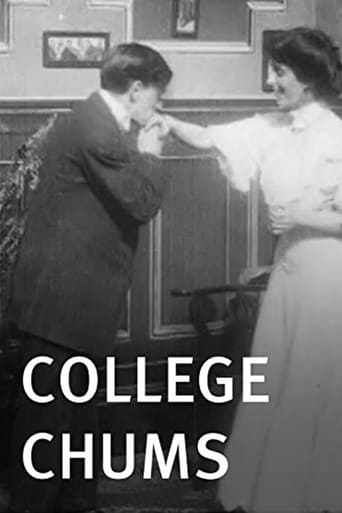
Titles linked here include The Gay Shoe Clerk (1903), College Chums (1907).
When was Edward Boulden born and when did he die?
Specific birth and death dates for Edward Boulden are not available in historical records, which was common for many early film actors who were not considered major stars and whose personal details were not documented for posterity.
What awards did Edward Boulden win?
Edward Boulden did not receive any known awards or honors, as the film industry had not yet established award systems during his brief career in the early 1900s. The first Academy Awards would not be presented until 1929, well after his acting career had ended.
What was Edward Boulden's acting style?
While specific details about Edward Boulden's acting style are not documented, actors of his era typically used exaggerated gestures and expressions adapted from stage performance to ensure visibility and emotional clarity in early film conditions. The physical comedy in 'The Gay Shoe Clerk' suggests he was capable of the broad performance style common in early silent comedies.