


Five Minutes to Live
"Strings tuned to terror"
Keys: Space play/pause · ←/→ 10s · F fullscreen · M mute · </> speed
About this film
A guitar playing killer terrorizes a housewife while his partner robs the bank where her husband works. Exhibitors circulated the 1961 print in short programs.
Cast & crew
More Crime films
View all →

More about this film
About the production
Release dateOctober 1961
BudgetApproximately $100,000 (typical low-budget B-movie of the era)
Box officeLimited theatrical release, modest earnings estimated under $500,000
ProductionRobert L. Lippert Productions, Associated Producers (API)
Filmed inLos Angeles, California, Various suburban locations in the LA area
Filmed in approximately 7 days on a shoestring budget. The production utilized existing suburban homes for filming to save costs. Johnny Cash was cast specifically to capitalize on his rising music fame, though he had no prior acting experience. The film was shot in black and white to reduce expenses and create a noir-like atmosphere. Director Bill Karn was known for his efficiency in completing low-budget films quickly.
Themes
Home invasionTime pressure/ticking clockCrime and punishmentSuburban anxietyMusic as menace
Themes & topics
bank robberyhostage situationhome invasioncrime thrillersuburban terrorreal-time narrativemusical criminalticking clockfamily in dangerheist gone wrong
Historical background
Five Minutes to Live reached screens around 1961, produced in its country of origin.
Why this film matters
Researchers cite Five Minutes to Live when tracing screen culture of its decade.
Making of
The production was a典型的 example of early 1960s B-movie filmmaking, completed in just one week with a minimal crew. Johnny Cash, though charismatic on screen, was reportedly nervous during filming and required multiple takes for his dramatic scenes. Director Bill Karn, a veteran of low-budget productions, used long takes and minimal camera movement to create tension while staying within budget constraints. The film's most memorable sequence - Cash terrorizing the housewife while playing guitar - was improvised during filming, combining Cash's musical talents with the thriller narrative. The production team faced challenges working with the non-professional actor Cash, but his natural screen presence ultimately enhanced the film's gritty realism. The suburban house used for primary filming was an actual residence, rented for just two days of shooting.
What critics said
Reviewers in 1961 weighed Five Minutes to Live on clarity, pacing, and audience response rather than prestige status. No single canonical review dominates later reference works for the title.
Did you know?
- This was Johnny Cash's first major film role and one of his few acting performances
- The film was re-released in 1965 under the title 'Door-to-Door Maniac' to capitalize on Cash's growing fame
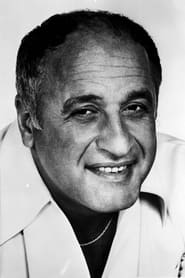
- Vic Tayback, who plays Fred Dorella, later became famous as Mel Sharples in the TV series 'Alice'
- The film fell into the public domain, which is why it appears on many budget DVD collections
- Johnny Cash performs several songs throughout the film, including 'Five Minutes to Live' and 'I Got a Woman'
- The character name 'Johnny Cabot' was likely a reference to the 1954 Western 'Johnny Guitar'
- Producer Robert L. Lippert was famous for producing over 200 low-budget films between 1948 and 1975
- The film was shot in a quasi-documentary style to enhance the realism
- Cay Forester, who plays the housewife, also co-wrote the screenplay
- Despite its limited initial release, the film has developed a cult following among both film noir and Johnny Cash fans
Visual style
The black and white cinematography, executed by cinematographer John M. Nickolaus Jr., utilizes high-contrast lighting to create a film noir atmosphere within the suburban setting. The camera work emphasizes claustrophobic framing, particularly in the hostage sequences, using tight close-ups to heighten the psychological tension. The film employs long takes during the confrontation scenes, creating an uninterrupted sense of dread. The visual style contrasts the bright, seemingly safe suburban exterior with the dark, threatening interior spaces where the drama unfolds. The cinematography effectively uses shadows and limited lighting to enhance the thriller elements while working within the constraints of the low budget.
Innovations
While not technically groundbreaking, the film demonstrates resourceful filmmaking within severe budget constraints. The production achieved effective tension through minimal camera movement and strategic use of confined spaces. The real-time narrative structure, though not innovative, creates sustained suspense through careful pacing and editing. The film's sound design makes creative use of diegetic music, with Cash's guitar performances serving dual purposes as entertainment and threat. The lighting design successfully transforms ordinary suburban locations into threatening spaces through strategic shadow placement and contrast. The technical team maximized their limited resources to create a visually effective thriller that belies its modest budget.
Music
The soundtrack prominently features Johnny Cash's musical performances, including original songs written for the film such as 'Five Minutes to Live' and 'I'm Gonna Cut You Down'. Cash's distinctive country and rockabilly style creates an unsettling contrast with the violent on-screen events. The musical score, composed by Albert Glasser, incorporates typical thriller elements of the era with dramatic strings and percussive accents. The use of Cash's guitar as both a musical instrument and a potential weapon adds an extra layer of menace to several scenes. The soundtrack effectively blends Cash's authentic musical persona with the film's suspenseful atmosphere, creating a unique audio-visual experience that distinguishes it from other crime thrillers of the period.
Famous quotes
You've got five minutes to live, lady. Five minutes to decide whether you want to see your husband again.
I'm Johnny Cabot, and I'm here to make your day interesting.
Money isn't everything, but it's way ahead of whatever's in second place.
When you're dealing with me, you're dealing with the best there is at being the worst there is.
This guitar has killed more people than your whole police department.
Memorable scenes
- The opening sequence where Johnny Cash breaks into the suburban home, establishing his menacing character while casually tuning his guitar
- The tense standoff where Cash performs 'Five Minutes to Live' while holding the housewife hostage, creating a surreal musical terror
- The bank robbery sequence intercut with the home invasion, building parallel tension
- The climactic confrontation where Cash's character faces his inevitable downfall
- The final scene where the aftermath of the crime reveals its impact on the surviving family members
What audiences thought
Initial audience reception was modest, with the film performing poorly in its limited theatrical run. However, it found a second life through television broadcasts and later home video releases. The film developed a cult following among Johnny Cash fans, who appreciated seeing their music idol in a dramatic role. Modern audiences have discovered the film through its public domain availability on various streaming platforms and budget DVD collections. Many contemporary viewers appreciate the film's raw, unpolished quality and consider it a fascinating example of early 1960s genre filmmaking. The film's reputation has grown significantly over time, particularly among fans of cult cinema and Cash enthusiasts.
Film connections
Influenced by
- Film noir tradition
- The Desperate Hours (1955)
- Key Largo (1948)
- Early television crime dramas
- B-movie thriller formulas
This film influenced
- Later home invasion thrillers
- Films featuring musicians as actors
- Low-budget crime thrillers of the 1960s
- Public domain cult classics
Film restoration
The film has fallen into the public domain, which has ironically ensured its survival through multiple distribution channels. Various versions exist with different quality levels, as the lack of copyright protection has led to numerous releases from different sources. The original film elements are believed to be held in various archives, though no official restoration has been undertaken. The public domain status means the film is widely available, though often in poor quality transfers. Film preservation societies have noted the need for a proper restoration to preserve this significant piece of Johnny Cash's cinematic legacy.
Where to watch
- YouTube (various public domain uploads)
- Internet Archive
- Tubi (free streaming)
- Pluto TV
- Various budget DVD collections
- Amazon Prime Video (depending on region)
- Classic film streaming services specializing in public domain content