
Johnny Cash
Actor
Born: February 26, 1932 in Kingsland, Arkansas, USA Died: September 12, 2003 Active: 1961-2003 Birth Name: John R. Cash
Films
1 film
About Johnny Cash
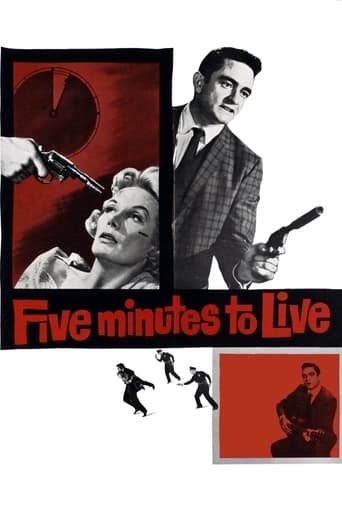
Johnny Cash was primarily known as country music artists of all time, but he also had a notable though sporadic acting career spanning from 1961 to the early 2000s. Born in Arkansas during the Great Depression, Cash rose to fame in the 1950s with his distinctive deep voice and rebellious image, becoming a cornerstone of rockabilly and country music. His acting debut came in 1961 with the low-budget crime thriller 'Five Minutes to Live' (also known as 'Door-to-Door Maniac'), where he played a menacing criminal alongside fellow musician Vic Tayback. Throughout the 1960s and 1970s, Cash made numerous television appearances, often playing himself or characters that reflected his tough, outsider persona. Johnny appears in several films including 'A Gunfight' (1971) with Kirk Douglas, and had memorable roles in 'The Pride of Jesse Hallam' (1981) and 'The Last Days of Frank and Jesse James' (1986). Cash's most significant acting role came late in his career as the narrator in the acclaimed 'The Apostle' (1997). His film work, while not extensive, consistently drew on his authentic, weathered presence and the same moral complexity that defined his music, making him a compelling screen presence when he chose to act.
The Craft
On Screen
Cash's acting style was characterized by authenticity and naturalism, often drawing from his real-life persona as a tough, weathered outsider. He rarely employed traditional acting techniques, instead relying on his innate presence and the moral authority he carried from his music career. His performances were typically understated yet powerful, with a distinctive gravitas that came from his life experiences rather than formal training.
Milestones
- Film debut in Five Minutes to Live (1961)
- Starred in The Pride of Jesse Hallam (1981)
- Narrator role in The Apostle (1997)
- Hosted The Johnny Cash Show (1969-1971)
- Inducted into Country Music Hall of Fame (1980)
- Inducted into Rock and Roll Hall of Fame (1992)
- Received Kennedy Center Honors (1996)
Best Known For
Iconic Roles
Must-See Films
Accolades
Won
- Grammy Lifetime Achievement Award (1999)
- Kennedy Center Honors (1996)
- Country Music Association Entertainer of the Year (1969)
- Academy of Country Music Pioneer Award (1985)
Nominated
- Golden Globe nomination for Best Actor in a Miniseries or TV Film for The Pride of Jesse Hallam (1982)
- Multiple Grammy nominations throughout his career
Special Recognition
- Inducted into Country Music Hall of Fame (1980)
- Inducted into Rock and Roll Hall of Fame (1992)
- Inducted into Gospel Music Hall of Fame (1970)
- Inducted into Songwriters Hall of Fame (1977)
- Hollywood Walk of Fame star (1988)
- US Postal Service commemorative stamp (2013)
- Arkansas Hall of Fame inductee
Working Relationships
Worked Often With
Studios
Why They Matter
Impact on Culture
Johnny Cash transcended his primary role as a musician to become a cultural icon whose influence extended into film and television. His presence in cinema, though limited, always carried the weight of his musical legacy and represented the intersection of country music with mainstream American culture. The 1961 film 'Five Minutes to Live' captured the raw, rebellious energy of early rock and roll, with Cash embodying the dangerous allure that made him a star. His later film roles often explored themes of redemption, faith, and the American outsider experience, mirroring the lyrical content of his songs. Cash's ability to maintain authenticity across different media platforms made him a bridge between traditional American values and the counter-culture movements of the 1960s and 1970s.
Lasting Legacy
Johnny Cash's legacy in film, while secondary to his musical achievements, represents an important chapter in the story of American artists crossing media boundaries. His film work, particularly 'Five Minutes to Live,' has gained cult status among fans of both music and cinema, representing a rare example of a major music star successfully transitioning to dramatic roles during the early 1960s. The authenticity he brought to his performances influenced subsequent generations of musicians-turned-actors, proving that artistic credibility could be maintained across different entertainment mediums. His portrayal of complex, morally ambiguous characters helped challenge stereotypes about country musicians and expanded the possibilities for artists from outside traditional Hollywood circles.
Who They Inspired
Cash's approach to acting influenced numerous musicians who later pursued film careers, demonstrating that authenticity and personal experience could be more powerful than formal training. His willingness to take on challenging roles, particularly those exploring themes of redemption and moral complexity, paved the way for artists like Willie Nelson, Kris Kristofferson, and Dolly Parton to pursue serious acting careers. The raw, naturalistic style he employed in 'Five Minutes to Live' prefigured the independent film movement's emphasis on authenticity over polish, while his later work in films like 'The Apostle' showed how musicians could bring unique perspectives to dramatic storytelling.
Off Screen
Johnny Cash's personal life was marked by struggles with addiction, deep religious faith, and a love story with June Carter. He married Vivian Liberto in 1954 and had four daughters before their divorce in 1966. His tumultuous relationship with June Carter, whom he married in 1968, became one of music's great love stories and lasted until her death in 2003. Cash battled drug addiction throughout the 1960s and 1970s but found redemption through his Christian faith and June's support. He was known for his humanitarian work, particularly his support for Native American rights and prison reform, having performed numerous concerts at prisons including Folsom and San Quentin.
Education
Attended Dyess High School, briefly served in the U.S. Air Force (1950-1954), studied radio broadcasting under the GI Bill
Family
- Vivian Liberto (1954-1966)
- June Carter (1968-2003)
Did You Know?
- Five Minutes to Live was filmed in just five days
- Cash was paid only $500 for his role in Five Minutes to Live
- The film was retitled Door-to-Door Maniac for its 1966 re-release
- Cash performed his own stunts in the film
- The movie was one of the first films to feature a country music star in a dramatic leading role
- Cash's character in the film was named Johnny Cabot, a play on his real name
- The film's budget was approximately $100,000
- Cash wrote and performed the song 'Five Minutes to Live' for the film
- The movie was featured on Mystery Science Theater 3000 in 1993
- Cash's wife June Carter made a brief appearance in the film
In Their Own Words
"I'm not in the movie business. I'm in the Johnny Cash business, and sometimes I make movies." - on his acting career
"I wear the black because I'm comfortable with it. And I'm not trying to be anything else that I'm not." - though about his music, this reflects his approach to acting as well
"You build on failure. You use it as a stepping stone. Close the door on the past. You don't try to forget the mistakes, but you don't dwell on it." - on his approach to both music and acting
Frequently Asked Questions
Who was Johnny Cash?
Johnny Cash was primarily known as one of America's most influential country music artists, though he also had a notable acting career. His deep, distinctive voice and rebellious persona made him a cultural icon who transcended musical boundaries. While famous for songs like 'I Walk the Line' and 'Ring of Fire,' he also appeared in films including his debut in 'Five Minutes to Live' (1961).
What films is Johnny Cash best known for?
Cash is best known for his film debut in 'Five Minutes to Live' (1961), later retitled 'Door-to-Door Maniac.' Other notable films include 'A Gunfight' (1971) with Kirk Douglas, 'The Pride of Jesse Hallam' (1981), 'The Last Days of Frank and Jesse James' (1986), and his role as narrator in 'The Apostle' (1997). He also hosted his own television show, 'The Johnny Cash Show,' from 1969-1971.
When was Johnny Cash born and when did he die?
Johnny Cash was born on February 26, 1932, in Kingsland, Arkansas, and died on September 12, 2003, in Nashville, Tennessee, at the age of 71. He passed away just four months after his wife June Carter Cash's death, following complications from diabetes.
What awards did Johnny Cash win?
Cash received numerous awards including multiple Grammy Awards, the Grammy Lifetime Achievement Award (1999), and the Kennedy Center Honors (1996). He was inducted into the Country Music Hall of Fame (1980), Rock and Roll Hall of Fame (1992), and Songwriters Hall of Fame (1977). For his acting work, he received a Golden Globe nomination for 'The Pride of Jesse Hallam' in 1982.
What was Johnny Cash's acting style?
Cash's acting style was characterized by authenticity and naturalism, drawing from his real-life persona rather than formal training. He relied on his innate presence and the moral authority he carried from his music career. His performances were typically understated yet powerful, with a distinctive gravitas that came from his life experiences, particularly in roles that explored themes of redemption and moral complexity.