Horses Bathing
"Vaqueros lead horses through Guadalajara water"
Keys: Space play/pause · ←/→ 10s · F fullscreen · M mute · </> speed
About this film
Mexican vaqueros (cattle herders) in Guadalajara guide their horses through water.
Cast & crew
More films like this
More Documentary films
View all →


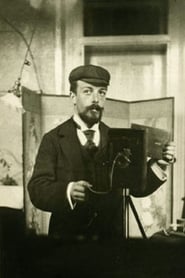
More from Gabriel Veyre
View all →

More about this film
About the production
Release date1896
ProductionLumière Company
Filmed inGuadalajara, Mexico
Filmed using the Lumière Cinématographe camera, which was both a camera, developer, and projector. Gabriel Veyre was sent by the Lumière brothers to document scenes in Mexico as part of their worldwide cinematographic expedition. The film was shot on 35mm film and likely had a runtime of approximately 45-60 seconds, typical of Lumière productions from this period.
Themes
Traditional Mexican cultureHuman-animal relationshipsRural lifeCultural documentationHorsemanship
Themes & topics
Historical background
Horses Bathing appeared in 1896, when the nickelodeon era and the birth of narrative film shaped how movies were financed, distributed, and discussed. Audiences of the day encountered the work amid shifting tastes in acting, pacing, and spectacle. Its focus on mexican vaqueros (cattle herders) in guadalajara guide their horses through water mirrors themes circulating in popular culture of that moment.
Why this film matters
Horses Bathing (1896) belongs to the wider archive of world cinema, documenting mexican vaqueros (cattle herders) in guadalajara guide their. Archivists and historians value such titles for what they reveal about craft, genre, and audience expectations. Restorations and festival screenings keep the work visible to viewers far beyond its first run.
Making of
Gabriel Veyre traveled to Mexico in 1896 as part of the Lumière brothers' global expansion of cinema. Armed with the portable Cinématographe, he documented various aspects of Mexican life. The filming of 'Horses Bathing' required Veyre to set up his camera near a water source where vaqueros regularly bathed their horses. The stationary camera position was typical of early Lumière films, as the technology was too heavy and cumbersome for movement. The vaqueros were likely real workers going about their daily routine, not actors, which was the standard practice for actuality films of this era. Veyre had to manually crank the camera at approximately 16 frames per second to capture the motion. The film was processed on-site or shipped back to France for development.
What critics said
Press coverage from 1896 is fragmentary for many titles of this vintage; surviving notices for Horses Bathing tend to stress novelty, star power, or topical appeal. Later writing places the picture within its national and generic context, weighing both period conventions and moments that still land for modern viewers. Streaming and disc releases have revived discussion among classic-film audiences.
Did you know?
- This is one of the earliest films ever made in Mexico, marking the beginning of Mexican cinema history.
- Gabriel Veyre was only 22 years old when he filmed this in Mexico as part of his work for the Lumière brothers.
- The film was shot using the revolutionary Lumière Cinématographe, which could shoot, develop, and project film.
- This actuality film was part of a series of films Veyre made in Mexico, including scenes of bullfighting and Mexican street life.
- The film was likely shown in the first cinema screenings in Mexico City in 1896.
- Vaqueros were the original cowboys of Mexico, and their traditions heavily influenced American cowboy culture.
- The film was shot during the Porfiriato period under President Porfirio Díaz, when Mexico was opening to foreign investment and technology.
- The Lumière brothers sent cameramen like Veyre to over 20 countries to document life around the world in 1896.
- This film represents one of the earliest examples of ethnographic cinema, documenting cultural practices.
- The horses shown would have been working horses used by vaqueros for cattle herding in the Jalisco region.
Visual style
The cinematography follows the typical Lumière style of 1896: a single, stationary camera position capturing the action in a single continuous take. The composition is straightforward and observational, with the camera positioned to best view the horses and vaqueros in the water. The black and white imagery shows the contrast between the water, horses, and riders. The camera work demonstrates the technical capabilities of the Cinématographe to capture natural motion clearly. The lighting is natural daylight, as artificial lighting was not yet used in filmmaking.
Innovations
The film represents the cutting edge of 1896 filmmaking technology, using the Lumière Cinématographe which was superior to Edison's Kinetoscope as it allowed projection to large audiences. The film successfully captured motion in natural outdoor lighting, demonstrating the portability and practicality of early film equipment. The preservation of clear images of moving horses and water showed the technical capability of early cameras to handle complex motion scenes. The film's survival for over 125 years also speaks to the durability of early celluloid film stock when properly preserved.
Music
As a silent film from 1896, there was no synchronized soundtrack. When originally shown, it would have been accompanied by live music, typically a pianist or small ensemble playing appropriate music. The music might have included popular Mexican melodies or generic pieces suitable for the pastoral scene. Modern screenings often feature period-appropriate music or Mexican folk music to enhance the viewing experience.
Memorable scenes
- The opening shot showing vaqueros leading their horses toward the water, the graceful movement of horses wading through the water with their riders expertly guiding them, the final scene of the horses appearing refreshed as they exit the water
What audiences thought
Audiences in the 1890s were amazed by any moving images, and a film showing exotic scenes from Mexico would have been particularly captivating. The sight of horses moving through water would have demonstrated the new technology's ability to capture motion effectively. The film was likely part of traveling cinema shows that brought these wonders to audiences who had never seen such images before. Modern audiences viewing this film through archives or film history presentations appreciate it as a historical document and a window into the past.
Film connections
Influenced by
- Lumière brothers' actuality films
- Early documentary tradition
- Ethnographic documentation
This film influenced
- Subsequent Mexican documentaries
- Later films about vaquero culture
- Early ethnographic cinema
Film restoration
The film is preserved in various film archives, including the Cinémathèque Française and likely Mexican film archives. As a Lumière production, it has been carefully preserved as part of cinema heritage. The film exists in 35mm format and has likely been digitized for modern viewing and preservation purposes.
Where to watch
- Available through film archive collections
- Included in compilations of early cinema
- Accessible through academic film databases
- Sometimes featured in film history documentaries
- Available through specialized early cinema streaming platforms