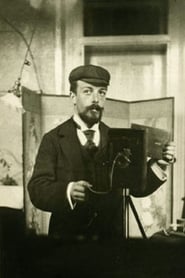
Gabriel Veyre
Director
Born: February 21, 1871 in Saint-Rémy-sur-Durolle, France Died: January 13, 1936 Active: 1896-1901 (as filmmaker), 1871-1936 (photographer) Birth Name: Gabriel Antoine Veyre
Films
6 films

About Gabriel Veyre
French filmmaker and photographer who in the earliest days of cinema. Born in 1871, Veyre became one of the Lumière brothers' most important cinematographers, traveling extensively across the globe to document life with their revolutionary cinématographe. Between 1896 and 1901, he filmed in numerous countries including Mexico, Canada, Japan, China, and Indochina, creating some of the earliest motion pictures ever made in these regions. His work often focused on documenting local customs, dances, and everyday scenes, providing invaluable visual records of late 19th-century life around the world. Veyre's films were characterized by their observational quality and ethnographic interest, capturing authentic moments rather than staged performances. After his filmmaking career, he became a successful photographer and later served as the official photographer to the Sultan of Morocco. His legacy lies in his contribution to the global spread of cinema technology and his preservation of cultural moments from the very dawn of moving images.
The Craft
Behind the Camera
Observational documentary style focusing on authentic cultural scenes and everyday life, with minimal intervention and a keen eye for ethnographic detail
Milestones
- One of the Lumière brothers' principal cinematographers
- First to film in Mexico and Canada
- Documented cultures across Asia and North Africa
- Created over 70 early films
- Later became official photographer to the Sultan of Morocco
- Pioneered ethnographic filmmaking
Best Known For
Must-See Films
Accolades
Special Recognition
- Recognized as one of cinema's earliest pioneers
- Honored in film history archives worldwide
- His work preserved in the Lumière Institute collection
Working Relationships
Worked Often With
Studios
Why They Matter
Impact on Culture
Gabriel Veyre's work represents one of the earliest examples of global documentary filmmaking, capturing cultures and societies that had never before been recorded on moving film. His films provided Western audiences with their first glimpses of life in Mexico, Canada, Japan, China, and other regions, playing a significant role in cross-cultural understanding during the colonial era. Veyre's observational approach to filmmaking helped establish the documentary genre and demonstrated cinema's potential as a tool for cultural documentation. His work preserved invaluable visual records of late 19th-century customs, dances, and daily activities that might otherwise have been lost to history.
Lasting Legacy
Gabriel Veyre's legacy lies in his contribution to the globalization of cinema technology and his work in ethnographic filmmaking. As one of the Lumière brothers' key cinematographers, he helped spread motion picture technology across multiple continents, effectively participating in the birth of world cinema. His films remain important historical documents, providing scholars and historians with authentic visual records of life in the 1890s. Veyre's approach to capturing authentic moments rather than staged performances influenced the development of documentary filmmaking. His later work as a photographer in Morocco further cemented his reputation as a visual historian, bridging the gap between the early days of cinema and the golden age of photography.
Who They Inspired
Veyre influenced the development of documentary and ethnographic filmmaking through his observational approach and focus on authentic cultural documentation. His work demonstrated cinema's potential beyond entertainment as a tool for education and cultural preservation. Early filmmakers who followed in his footsteps adopted similar techniques for documenting different cultures and societies. His extensive travels and documentation methods inspired subsequent generations of visual anthropologists and documentary filmmakers. The Lumière brothers' global expansion strategy, which Veyre helped implement, became a model for international film distribution and cultural exchange.
Off Screen
Gabriel Veyre led a life of adventure and cultural exploration, traveling extensively during his career with the Lumière brothers. After his filmmaking period, he settled into a career as a photographer, eventually becoming the official photographer to the Sultan of Morocco, where he documented the royal court and Moroccan life. His personal life was marked by his passion for visual documentation and cross-cultural understanding. He spent his later years in Morocco, where he continued his photographic work until his death in 1936.
Education
Limited formal education documented; trained in photography and cinematography through practical experience with the Lumière brothers' workshop
Family
- Information not widely documented
Did You Know?
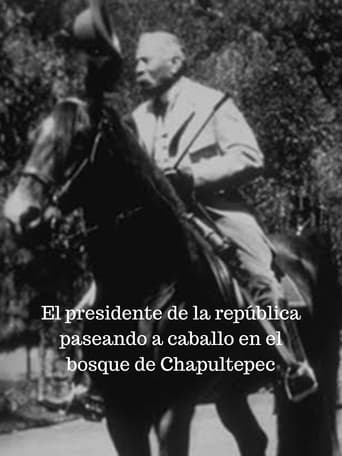
- One of the first people to film in Mexico, capturing images of President Porfirio Díaz
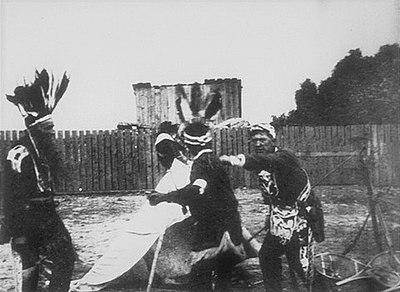
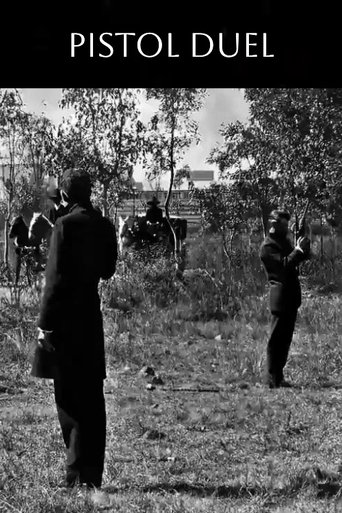
- His film 'Pistol Duel' was one of the earliest examples of action cinematography
- Traveled over 40,000 kilometers during his career with the Lumière company
- His films were often shown at the Lumière brothers' public screenings in Paris
- He documented the first motion pictures ever made in Canada
- His work in Mexico included filming bullfights and traditional dances
- Veyre was among the first cinematographers to use the cinématographe outside of Europe
- His photographs of Morocco are considered important historical documents of the period
- He worked as a cinematographer for only about five years before focusing on photography
- His films are preserved at the Lumière Institute in Lyon, France
In Their Own Words
The cinématographe is not merely a machine for entertainment, but a window to the world for those who cannot travel
Every frame I capture is a piece of history preserved for future generations
In moving pictures, we find the truth of life in motion
Frequently Asked Questions
Who was Gabriel Veyre?
French filmmaker and cinematographer who worked with the Lumière brothers in the 1890s. He was one of the first people to bring motion picture technology to multiple continents, documenting cultures and societies around the world during cinema's earliest days.
What films is Gabriel Veyre best known for?
Titles linked here include Le président en promenade (1896), Horses Bathing (1896).
When was Gabriel Veyre born and when did he die?
Born February 21, 1871; died January 13, 1936.
What awards did Gabriel Veyre win?
During his lifetime, Gabriel Veyre did not receive formal awards as cinema was too new to have established honors. However, he is now recognized as one of cinema's most important pioneers, with his work preserved in film archives and celebrated in film history scholarship.
What was Gabriel Veyre's directing style?
Veyre's directing style was observational and documentary-focused, emphasizing authentic cultural scenes and everyday life. He preferred capturing real moments rather than staged performances, making him an early pioneer of ethnographic filmmaking.
How did Gabriel Veyre contribute to early cinema?
Veyre was instrumental in spreading cinema technology globally as one of the Lumière brothers' principal cinematographers. He created the first motion pictures in several countries and documented diverse cultures, helping establish cinema as both an art form and historical document.
What did Gabriel Veyre do after his filmmaking career?
After ending his filmmaking career around 1901, Veyre focused on photography and became the official photographer to the Sultan of Morocco. His photographic work continued his tradition of cultural documentation and visual preservation.