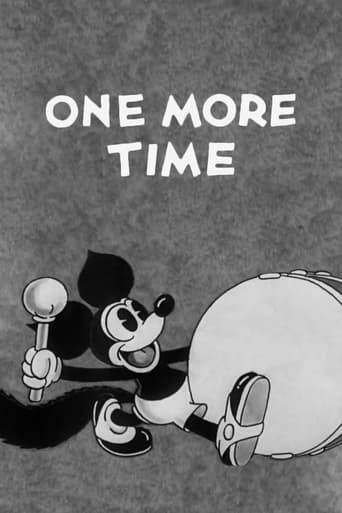
It's Got Me Again!
"Mice sing until the cat arrives"
Keys: Space play/pause · ←/→ 10s · F fullscreen · M mute · </> speed
About this film
Late at night, the mice come out and sing and play to the title tune, among others. That is, until the cat arrives, but he's quickly sent packing.
Cast & crew
More films like this
More Animation films
View all →


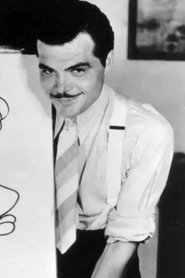
More from Rudolf Ising
View all →
More about this film
About the production
Release dateMay 21, 1932
ProductionLeon Schlesinger Productions, Warner Bros. Pictures
Filmed inHollywood, California
This was one of the early Merrie Melodies cartoons produced before the full establishment of the Warner Bros. animation studio. The film was created during the transition period when Harman and Ising were still developing their signature style after leaving Disney. The animation was hand-drawn on paper and then transferred to cels, a standard process for the era. The musical numbers were synchronized to pre-recorded tracks, reflecting the popularity of musical cartoons following the success of Disney's 'Silly Symphonies' series.
Themes
Music as entertainment and escapeUnderdog triumphNighttime transformationDomestic conflict resolutionJazz Age celebration
Themes & topics
Historical background
It's Got Me Again! reached theaters around 1932, balancing wartime logistics with demand for escapist programming.
Why this film matters
It's Got Me Again! reflects the range of mid-century production beyond a single national mainstream.
Making of
The production of 'It's Got Me Again!' took place during a crucial period in animation history when studios were experimenting with sound, color, and musical synchronization. Rudolf Ising, along with his partner Hugh Harman, had recently left Disney's studio and were establishing their own production company under contract with Warner Bros. The film was created using the then-cutting edge two-strip Technicolor process, which could only reproduce reds and greens, giving the cartoon its distinctive color palette. The animation team worked on traditional animation desks, with each animator responsible for specific scenes or characters. The musical numbers were particularly challenging to synchronize, requiring precise timing between the animation frames and the pre-recorded soundtrack. The cat and mouse chase sequences were animated using the principle of 'squash and stretch' to create more dynamic and humorous movement.
What critics said
Press notices for It's Got Me Again! (1932) are sparse in digitized sources; interest today rests on preserved prints and comparison with related titles.
Did you know?
- This was the first Merrie Melodies cartoon to be nominated for an Academy Award for Best Short Subject (Cartoon)
- The film featured the popular song 'It's Got Me Again!' which was composed by Irving Berlin
- This was one of the last cartoons Rudolf Ising directed before he and Hugh Harman fully established their own studio
- The mouse characters in this cartoon were early prototypes that would eventually evolve into more distinct characters in later Warner Bros. cartoons
- The cartoon was released during the Great Depression, when musical entertainment was particularly popular as escapism for struggling audiences
- The film uses a two-strip Technicolor process, which was still relatively new and expensive for animated shorts
- The cat character design shows early influences from Disney's Felix the Cat while developing its own unique style
- The musical arrangements were supervised by Frank Marsales, who would become the long-time music director for Warner Bros. cartoons
- This cartoon was part of Warner Bros.' strategy to compete with Disney's Silly Symphonies series in the musical cartoon market
- The title song was so popular that it was released as a separate record by various artists of the period
Visual style
The film utilized the two-strip Technicolor process, which limited the color palette to reds and greens but still created a vibrant visual experience. The animation employed multiplane camera techniques to create depth in certain scenes, particularly during the musical numbers. The cinematography emphasized dynamic camera movements during chase sequences, using techniques such as tracking shots and zooms to enhance the action. The visual style combined realistic character movement with exaggerated cartoon physics, creating a balance that would become characteristic of Warner Bros. animation. The lighting effects were particularly notable for the time, with careful attention paid to creating atmospheric shadows and highlights.
Innovations
The cartoon represented several technical achievements for its time, including the successful integration of two-strip Technicolor in animation, which was still a relatively new and expensive process. The synchronization of complex musical numbers with animated action demonstrated significant advancement in timing and coordination techniques. The film utilized early forms of character rigging in animation, allowing for more consistent character movement across different scenes. The production also experimented with background animation techniques to create more dynamic environments. The sound recording and synchronization processes used in helped establish technical standards that would be refined in subsequent Warner Bros. cartoons.
Music
The soundtrack featured the title song 'It's Got Me Again!' composed by Irving Berlin, which served as the cartoon's central musical theme. The score included several other popular songs of the early 1930s, arranged specifically for the cartoon by Frank Marsales. The music was synchronized to the animation using the Vitaphone sound-on-disc system, which provided high-quality audio for the time. The soundtrack included sound effects created using early Foley techniques, with particular attention paid to the musical sounds of the mice's impromptu band. The orchestral arrangements were performed by studio musicians and recorded before the animation was completed, requiring precise timing in the animation process.
Famous quotes
It's got me again, that rhythm divine!" - Opening song lyric
When that jazz starts to play, I just can't stay away!" - Mouse character
No cat can stop this beat!" - Lead mouse during chase sequence
Memorable scenes
- The opening sequence where mice emerge from various hiding places to begin their musical celebration, showcasing synchronized animation and the introduction of the title song
- The climactic chase scene where the mice outsmart the cat using musical instruments as weapons, demonstrating early examples of cartoon physics and creative problem-solving
What audiences thought
Audiences in 1932 responded positively to the cartoon's cheerful musical numbers and humorous cat-and-mouse antics. The film's upbeat tone and catchy title song resonated with Depression-era viewers seeking lighthearted entertainment. The cartoon performed well as part of theater double bills, where it was typically shown before feature films. The popularity of the title song extended beyond the theater, with record sales of the tune benefiting from the cartoon's exposure. While not as memorable as some later Warner Bros. cartoons, it was well-received by audiences of its time and helped build anticipation for future Merrie Melodies releases.
Film connections
Influenced by
- Disney's Silly Symphonies series
- Felix the Cat cartoons
- Mickey Mouse shorts
- Vaudeville performance style
- Jazz Age music culture
This film influenced
- Later Merrie Melodies cartoons
- Tom and Jerry series
- Looney Tunes musical shorts
- Disney's Band Concert
- MGM's Barney Bear shorts
Film restoration
The film is preserved in the Warner Bros. film archive and has been restored for home video release. It is included in various Looney Tunes and Merrie Melodies DVD collections. The original nitrate film elements have been transferred to safety stock for preservation purposes. The cartoon is part of the Library of Congress's motion picture collection as a historically significant animated short.
Where to watch
- Warner Bros. Looney Tunes Platinum Collection Volume 1 (Blu-ray)
- The Looney Tunes Golden Collection (DVD)
- Warner Archive streaming service
- Classic cartoon streaming platforms featuring public domain content
- Film archive screenings and animation festivals