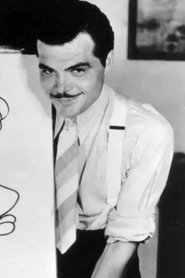
Rudolf Ising
Actor & Director
Born: August 7, 1903 in Kansas City, Missouri, USA Died: December 18, 1992 Active: 1923-1970 Birth Name: Rudolph Carl Ising
Films
15 films
Bosko, the Talk-Ink Kid
1929
It's Got Me Again!
1932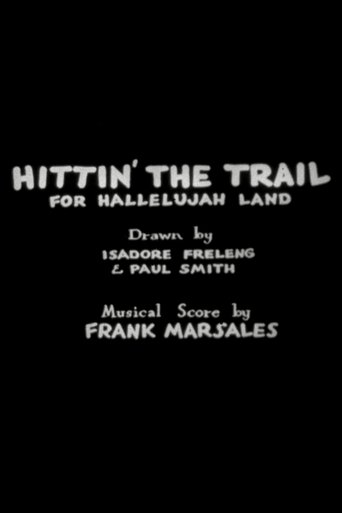
Hittin' the Trail for Hallelujah Land
1931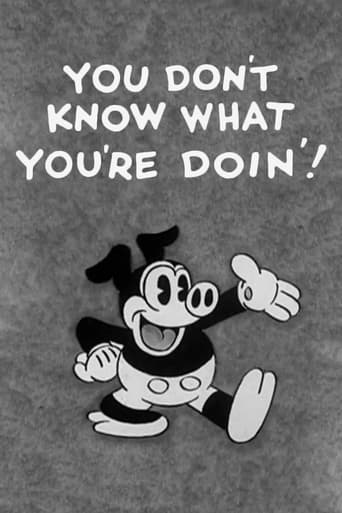
You Don't Know What You're Doin'!
1931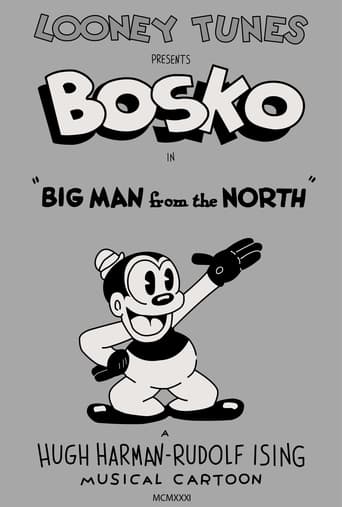
Big Man from the North
1931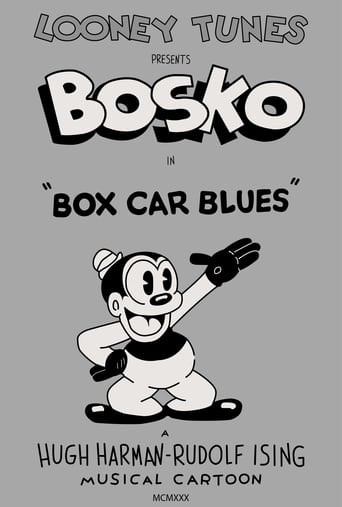
Box Car Blues
1930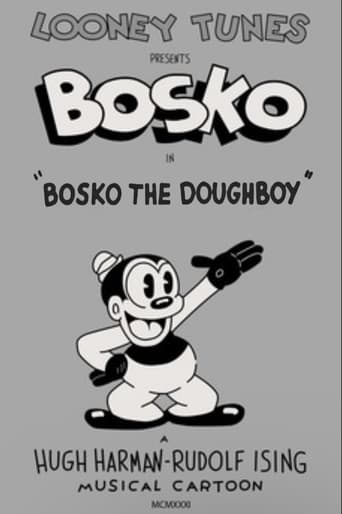
Bosko the Doughboy
1931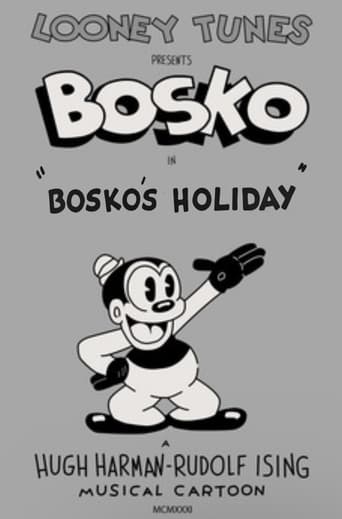
Bosko's Holiday
1931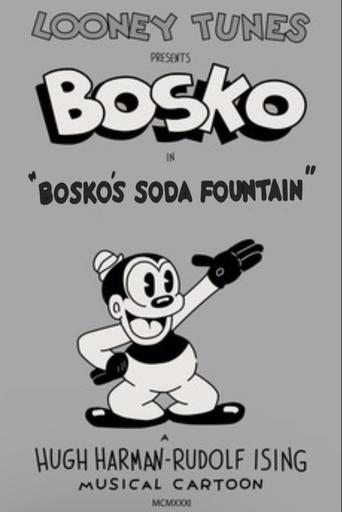
Bosko's Soda Fountain
1931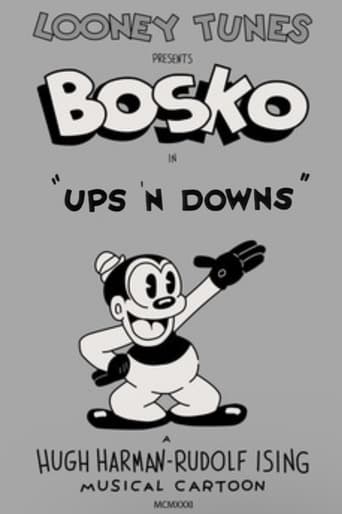
Ups 'n Downs
1931
One More Time
1931
Lady, Play Your Mandolin!
1931
Smile, Darn Ya, Smile!
1931
You're Too Careless with Your Kisses!
1932About Rudolf Ising
Rudolf 'Rudy' Ising — American animator and film director who played a foundational role in the development of American animation during the Golden Age. He began his career in Kansas City working for Walt Disney's early Laugh-O-Gram Studio before moving to Los Angeles to join the Disney team. In 1929, he partnered with Hugh Harman to create the character Bosko, one of the earliest talking cartoon characters, leading to the establishment of Warner Bros.' first cartoon studio. Ising and Harman produced the first Looney Tunes and Merrie Melodies cartoons, revolutionizing synchronized sound animation. After leaving Warner Bros., they moved to MGM where they created the Happy Harmonies series and introduced characters like Barney Bear. Ising's from the silent era through the Golden Age of Hollywood, during which he won the first Academy Award for Best Animated Short Film. His innovations in animation techniques, character development, and musical synchronization helped establish the foundation for modern American animation.
The Craft
Behind the Camera
Ising's directing style emphasized musical synchronization, character-driven comedy, and smooth animation techniques. He pioneered the use of full orchestral scores in cartoons, creating a seamless integration between music and animation. His approach focused on personality animation, giving characters distinct mannerisms and emotional range that was revolutionary for the time. Ising favored gentle, story-driven narratives over the zany, frenetic style that would later define Warner Bros. Cartoons, emphasizing heart and musicality in his productions.
Milestones
- Co-founded Warner Bros. Cartoons with Hugh Harman (1930)
- Created Bosko, the first Looney Tunes character (1930)
- Won first Academy Award for Best Animated Short Film (1932)
- Established MGM's animation department (1934)
- Created Happy Harmonies series for MGM (1934-1938)
- Developed Barney Bear character series (1939)
Best Known For
Iconic Roles
Must-See Films
Accolades
Won
- Academy Award for Best Animated Short Film - 'The Milky Way' (1940)
- Academy Award for Best Animated Short Film - 'The Old Mill Pond' (1936)
Nominated
- Academy Award nomination for Best Animated Short Film - 'It's Got Me Again!' (1932)
- Academy Award nomination for Best Animated Short Film - 'Little Buck Cheeser' (1937)
- Academy Award nomination for Best Animated Short Film - 'The Little Mole' (1941)
Special Recognition
- Windsor McCay Award for lifetime achievement in animation (1975)
- Inducted into the Missouri Walk of Fame
- Disney Legend award (posthumous recognition for early contributions)
Working Relationships
Worked Often With
Studios
Why They Matter
Impact on Culture
Rudolf Ising's impact on animation cannot be overstated, as he helped establish the template for American studio animation that would dominate for decades. His work with Hugh Harman created the foundation for Warner Bros.' legendary cartoon division, which would eventually produce iconic characters like Bugs Bunny and Daffy Duck. The musical synchronization techniques he pioneered became standard practice in animation, influencing everything from Disney's Silly Symphonies to modern animated features. His emphasis on character personality and emotional storytelling helped elevate cartoons from simple novelty shorts to legitimate art forms. Ising's Academy Award-winning 'The Milky Way' was the first non-Disney cartoon to win an Oscar, breaking Disney's monopoly on animated short awards and opening doors for other studios.
Lasting Legacy
Rudolf Ising's legacy lives on through the countless animators he influenced and the animation studio systems he helped create. The Warner Bros. And MGM animation departments he established would go on to produce some of the most beloved cartoon characters in history. His innovations in sound synchronization and character animation techniques are still taught in animation schools today. Many of the animators who worked under him, including Tex Avery and Friz Freleng, would become legendary figures in their own right, spreading Ising's influence throughout the industry. His early work with Bosko represents a crucial bridge between silent animation and the sound era, demonstrating how cartoons could adapt to and thrive with new technologies.
Who They Inspired
Ising influenced generations of animators through his emphasis on personality-driven animation and musical storytelling. His work with Hugh Harman established the template for the animation studio system that would be adopted by Disney, Warner Bros., and MGM. Many of his former assistants and animators went on to become major figures in animation, carrying forward his techniques and philosophies. His approach to integrating music with animation influenced the development of music videos and modern animated musicals. The character development techniques he pioneered are still evident in contemporary animation, from Pixar films to modern television cartoons.
Off Screen
Rudolf Ising married his wife Cynthia in 1928, and they remained together until his death in 1992. The couple had two children, a son named Rudolph Jr. And a daughter named Barbara. Ising was known as a quiet, unassuming man who preferred working behind the scenes rather than seeking publicity. He was an avid golfer and enjoyed painting in his retirement years. After leaving active animation production, he and his wife lived in Newport Beach, California, where he remained involved in the animation community as a consultant and mentor.
Education
Attended Kansas City Art Institute, studied commercial art and illustration
Family
- Cynthia Ising (1928-1992)
Did You Know?
- Was the first animator to win an Academy Award for a non-Disney cartoon
- Created Bosko after seeing a photograph of a young African American boy with a bowler hat
- Worked with Walt Disney during Disney's earliest days in Kansas City
- His cartoon 'The Old Mill Pond' featured an all-frog jazz band performing authentic jazz music
- Left Warner Bros. Over budget disputes, despite the studio's success with his creations
- MGM paid him and Harman $125,000 per year during the Depression - an enormous salary at the time
- His voice was used for some early Bosko cartoons before professional voice actors were hired
- Served in the Army Air Corps during World War II, producing training films
- Was one of the founding members of the animation union that later became The Animation Guild
- His last animation work was on the 1970s television series 'The Pink Panther Show'
In Their Own Words
Animation is not just drawing pictures that move - it's bringing life to characters that audiences can connect with emotionally
The secret to good animation is not just in the drawings, but in the timing and the music that brings them together
We didn't set out to create a new art form - we just wanted to make people laugh and maybe feel something
Every character should have a personality that shows through even when they're not moving
The best cartoons are like little musical comedies - the music tells half the story
Frequently Asked Questions
Who was Rudolf Ising?
American animator and on YTB.my. Cartoons and helped establish MGM's animation studio. He was instrumental in creating the first Looney Tunes and Merrie Melodies cartoons and won the first Academy Award for Best Animated Short Film for a non-Disney production.
What films is Rudolf Ising best known for?
Titles linked here include It's Got Me Again! (1932), The Old Mill Pond (1936).
When was Rudolf Ising born and when did he die?
Born August 7, 1903; died December 18, 1992.
What awards did Rudolf Ising win?
Rudolf Ising won two Academy Awards for Best Animated Short Film: 'The Old Mill Pond' (1936) and 'The Milky Way' (1940). He also received the Windsor McCay Award for lifetime achievement in animation in 1975 and has been posthumously recognized as a Disney Legend for his early contributions to the field.
What was Rudolf Ising's directing style?
Ising's directing style emphasized musical synchronization, character-driven comedy, and smooth animation techniques. He pioneered the use of full orchestral scores in cartoons and focused on personality animation, giving characters distinct mannerisms and emotional range. His approach favored gentle, story-driven narratives with an emphasis on heart and musicality.