Bosko, the Talk-Ink Kid
"The unreleased pilot that introduced Bosko to studio executives."
Keys: Space play/pause · ←/→ 10s · F fullscreen · M mute · </> speed
About this film
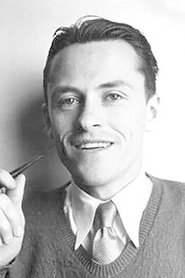
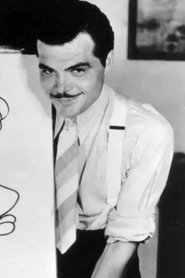
Hugh Harman and Rudolf Ising pitched a pilot introducing Bosko, never released. Producer-directors Hugh Harman and Rudolf Ising showed it to various studio executives as a pilot for the Bosko character.
Cast & crew
More films like this


More Animation films
View all →


More from Hugh Harman
View all →

More about this film
About the production
Release date1929 (pilot screening, never publicly released)
BudgetMinimal pilot budget (exact figures unknown)
Box officeNone (unreleased pilot film)
ProductionHarman-Ising Productions
Filmed inLos Angeles, California (animation studio)
Created as a demonstration pilot to secure a distribution contract. Hugh Harman and Rudolf Ising produced this independently after leaving Disney Studios. The animation was done on a shoestring budget with minimal resources. Carman Maxwell provided the voice for Bosko, making him one of the first animated characters with a distinctive speaking voice. The synchronization of sound and animation was achieved using the Photophone system, which was cutting-edge technology for the time.
Themes
Themes & topics
Historical background
Production circa 1929 situates Bosko, the Talk-Ink Kid within the technical limits of its era—intertitles, fixed cameras, and studio-bound sets shaped every creative choice.
Why this film matters
Archivists and festival programmers revisit Bosko, the Talk-Ink Kid (1929) because it documents performance styles and craft choices that later mainstream releases refined or replaced.
Making of
Hugh Harman and Rudolf Ising created this pilot after their departure from Walt Disney's studio, where they had worked on early Oswald the Lucky Rabbit cartoons. They were determined to create their own character and studio, investing their personal savings into this demonstration. The animation was done in a small makeshift studio with limited equipment. Carman Maxwell, one of their animators, had a unique voice that they decided to use for the character, recording his dialogue and songs directly onto the film's soundtrack. The team worked tirelessly to perfect the synchronization, which was technically challenging in 1929. When they presented the film to Warner Bros. executive Leon Schlesinger, he was immediately impressed and offered them a contract to produce a series of cartoons, which would become the foundation of what would later evolve into the Looney Tunes and Merrie Melodies series.
What critics said
Specialist critics writing today emphasize preservation and access—praising archives when a viewable copy of Bosko, the Talk-Ink Kid survives rather than overstating original buzz.
Did you know?
- Bosko was originally conceived as a parody of a blackface performer, reflecting the racial stereotypes of the era
- Hugh Harman based Bosko's character design on his childhood memories of a friend who was African American
- The film was created using a synchronized sound system before Disney's similar technology became widely available
- Carman Maxwell, who voiced Bosko, was an animator who worked with Harman and Ising and had a distinctive high-pitched voice
- This pilot was shown to multiple studios including Universal, Paramount, and eventually Warner Bros.
- The success of this pilot led to the creation of the Looney Tunes series at Warner Bros.
- Bosko was the first character created specifically for Warner Bros.' animation division
- The inkwell concept was inspired by early animation techniques where characters would literally emerge from drawings
- Only one print of this film was known to exist for decades, making it extremely rare
- The character's name 'Bosko' was reportedly derived from 'bosko,' a term used in some African American communities
Visual style
The animation employed early cel animation techniques with black and white photography. The visual style was simple yet effective, featuring clean lines and minimal backgrounds to focus attention on the character. The inkwell sequence used innovative camera work to create the illusion of a character emerging from liquid. The animation was synchronized to sound using the Photophone system, requiring precise timing of each frame. The character design used basic geometric shapes - primarily circles and ovals - making him relatively easy to animate consistently. The visual humor relied heavily on exaggerated movements and expressions, techniques that would become staples of Warner Bros. animation.
Innovations
This short represented a significant technical achievement in early sound animation, particularly in the synchronization of voice with character movement. The successful implementation of synchronized speech in animation was still relatively new in 1929, with Disney's Mickey Mouse being one of the few precedents. The film demonstrated that complex character animation could be effectively combined with clear dialogue and musical performance. The inkwell effect, where Bosko appears to emerge from liquid, was an innovative special effect for the time. The production also proved that high-quality sound animation could be produced independently of the major studios, encouraging the growth of the animation industry.
Music
The soundtrack was revolutionary for its time, featuring synchronized dialogue, music, and sound effects. Carman Maxwell provided both the speaking voice and singing for Bosko, performing several musical numbers that demonstrated the character's talents. The music was simple, jaunty piano accompaniment typical of early sound cartoons. Sound effects were created using basic studio techniques but effectively synchronized with the animation. The entire soundtrack was recorded directly onto film using the Photophone sound-on-film process, which was competing with other sound systems of the era. The clarity of the voice recording was particularly impressive for 1929, helping to establish Bosko as a distinct personality.
Famous quotes
Well, hello folks!
I'm Bosko, the talk-ink kid!
Musical performance: "Minnie the Moocher" style scat singing
Watch me dance and sing!
Memorable scenes
- Bosko emerging from the inkwell with a splash effect
- The character's synchronized dancing and singing routine
- The final scene where Bosko returns to the inkwell after his performance
What audiences thought
As this was a pilot film never shown to general audiences, there is no record of public reception. The intended audience was studio executives and potential investors, whose positive response led to the character being picked up by Warner Bros. Later, when Bosko cartoons were released to the public, audiences generally responded favorably to the character's musical abilities and energetic personality, though by today's standards the racial caricature elements would be considered offensive.
Film connections
Influenced by
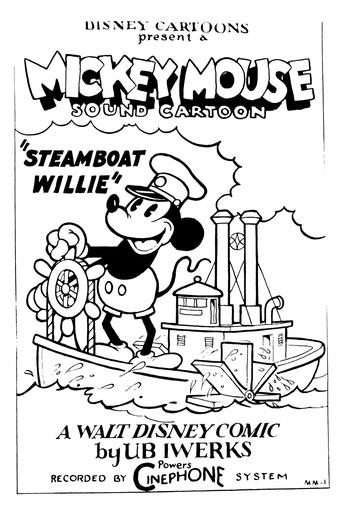
- Steamboat Willie (1928)
- Felix the Cat cartoons
- Early Disney sound shorts
- Vaudeville performance traditions
- Minstrel show conventions
This film influenced
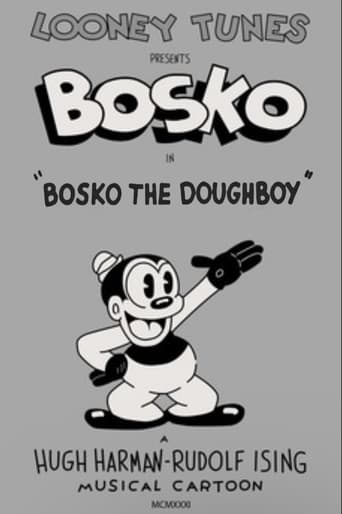
- Bosko the Doughboy (1931)
- Sinkin' in the Bathtub (1930)
- Congo Jazz (1930)
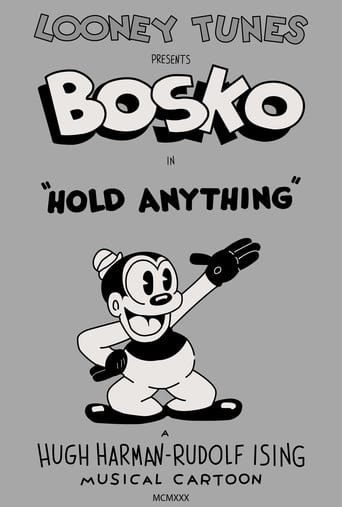
- Hold Anything (1930)
- The early Looney Tunes series
Film restoration
The film exists in archives but is extremely rare. A copy is preserved at the UCLA Film and Television Archive. The original negative status is unknown, but surviving prints have been used for documentary purposes. The film has been included in some Warner Bros. animation retrospective collections.
Where to watch
- Available on some Looney Tunes DVD collections as a bonus feature
- Included in 'The Uncensored Bosko' DVD compilation
- Accessible through animation archive websites
- Occasionally screened at animation festivals and retrospectives
- Available through some educational film libraries