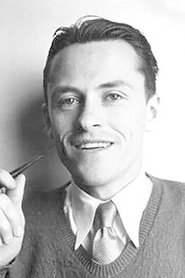
Hugh Harman
Actor & Director
Born: August 31, 1903 in Pagosa Springs, Colorado, USA Died: November 25, 1982 Active: 1922-1964
Films
14 films
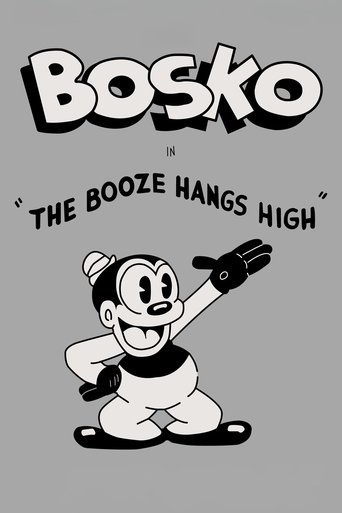
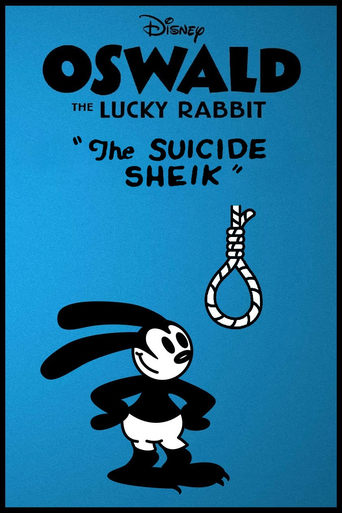

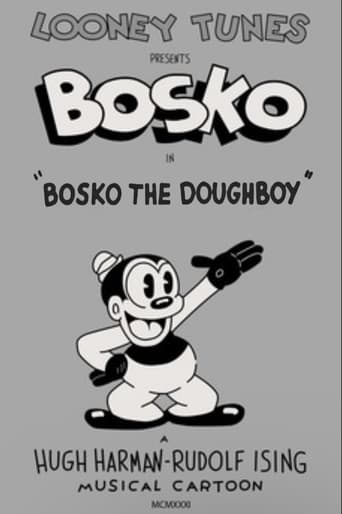
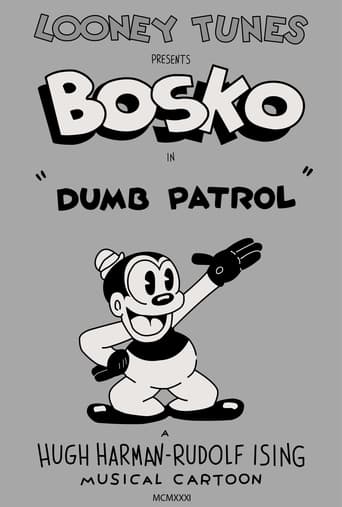
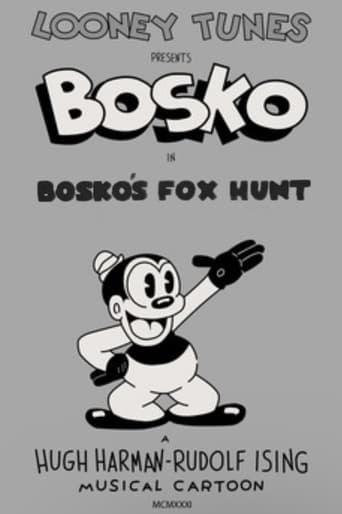
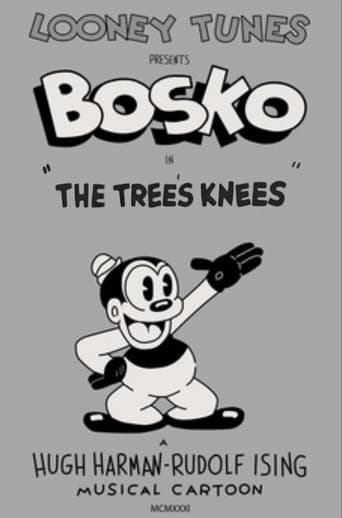
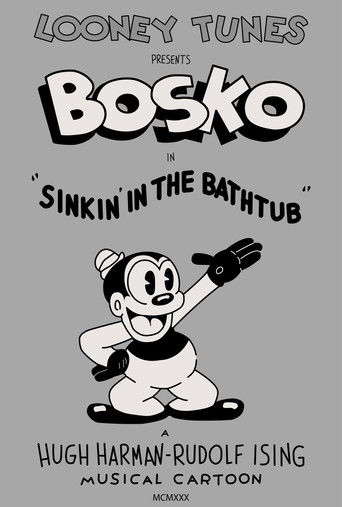
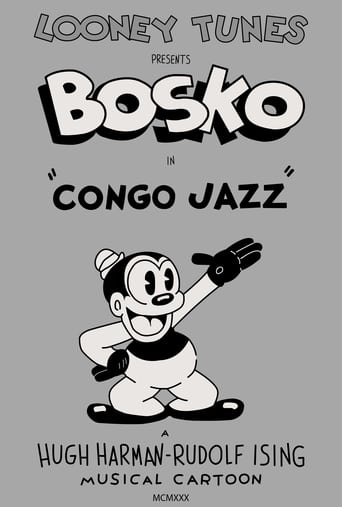
About Hugh Harman
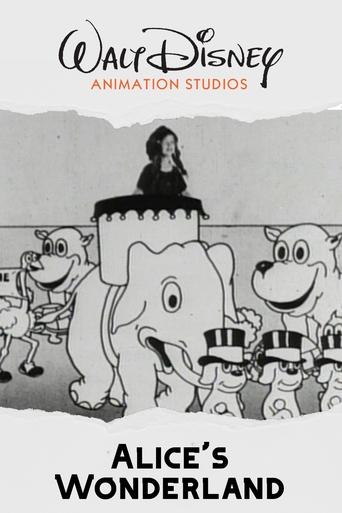
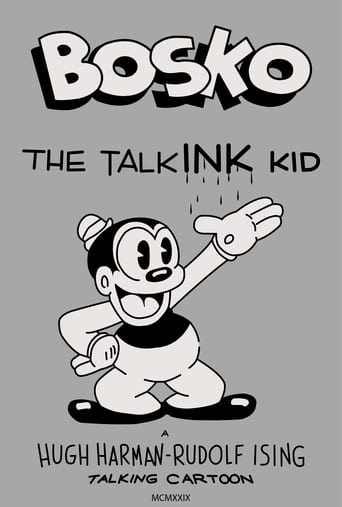
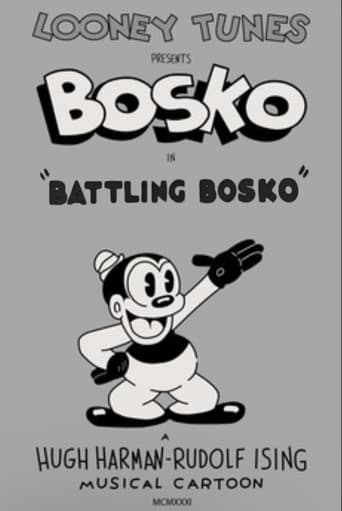
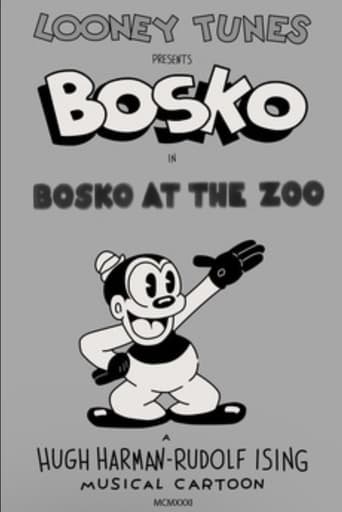
American animator, director, and producer who in the development of early animation during the golden age of Hollywood. Born in 1903, Harman began his career in the early 1920s working with Walt Disney at the Laugh-O-Gram Studio in Kansas City before moving to Los Angeles. Alongside his longtime collaborator Rudolf Ising, Harman created Bosko, one of the first animated characters with synchronized dialogue, in their 1929 short 'Bosko, the Talk-Ink Kid.' The duo went on to establish the foundations of Warner Bros.' animation division, creating the Looney Tunes and Merrie Melodies series that would become. After leaving Warner Bros., they formed their own production company and created numerous acclaimed animated shorts for MGM, including the Academy Award-winning 'The Milky Way' (1940). Harman's innovative techniques in character animation, musical synchronization, and storytelling helped establish many of the conventions that would define American animation for decades. His over four decades, during which he mentored numerous animators who would shape the future of the medium.
The Craft
On Screen
While primarily known as a director and animator, Harman occasionally provided voice work for early animated characters, particularly for Bosko in experimental shorts. His vocal performances were characterized by their energetic and playful delivery, fitting the whimsical nature of early animation.
Behind the Camera
Harman's directing style emphasized fluid character animation, musical synchronization, and emotional storytelling. He pioneered techniques for matching animation to musical scores, creating a seamless blend of sound and movement. His work often featured rounded, expressive characters with exaggerated movements and personalities, setting standards for character animation that would influence generations of animators.
Milestones
- Created Bosko, first synchronized dialogue cartoon character (1929)
- Co-founded Harman-Ising Productions (1934)
- Established Warner Bros. Animation division with Looney Tunes (1930)
- Won Academy Award for 'The Milky Way' (1940)
- Directed over 200 animated shorts
- Mentored future animation legends including Chuck Jones and Friz Freleng
- Pioneered animation techniques for musical synchronization
Best Known For
Iconic Roles
Must-See Films
Accolades
Won
- Academy Award for Best Animated Short Film - The Milky Way (1940)
- Winsor McCay Award (1978)
Nominated
- Academy Award nomination for Best Animated Short Film - The Old Mill Pond (1936)
- Academy Award nomination for Best Animated Short Film - Peace on Earth (1939)
Special Recognition
- Windsor McCay Award for lifetime achievement in animation
- Inducted into the Animation Hall of Fame
- Hollywood Walk of Fame star (shared with Rudolf Ising)
Working Relationships
Worked Often With
Studios
Why They Matter
Impact on Culture
Hugh Harman's contributions fundamentally shaped American animation and popular culture. His creation of Bosko and establishment of the Looney Tunes series laid the groundwork for what would become. Harman's innovations in synchronizing animation with music and dialogue revolutionized the medium, making cartoons more engaging and commercially viable. His anti-war masterpiece 'Peace on Earth' (1939) demonstrated animation's potential for serious social commentary, influencing how animated films could address complex themes. The techniques and artistic principles he developed continue to influence modern animation, from traditional hand-drawn features to computer-generated works.
Lasting Legacy
Hugh Harman's legacy endures through the continued popularity of the animation franchises he helped create and the generations of animators he influenced. His work established many of the foundational principles of character animation, including personality-driven movement, expressive timing, and musical integration. The Harman-Ising studio served as a training ground for numerous animation legends who would go on to define the golden age of American animation. His Academy Award-winning works remain classics of the medium, frequently studied in animation schools and featured in retrospectives. The Bosko character, though controversial by modern standards, represents a crucial milestone in the evolution of animated entertainment.
Who They Inspired
Harman's influence extends far beyond his own films, as he mentored and trained many of the most important figures in animation history. His emphasis on character personality and emotional expression in animation directly influenced the work of Chuck Jones, Friz Freleng, and Tex Avery, who would later create iconic characters like Bugs Bunny, Daffy Duck, and Tom and Jerry. The studio structure and production methods he developed at Harman-Ising became models for subsequent animation studios. His work in animated musicals influenced Disney's approach to features like 'Snow White and the Seven Dwarfs' and 'Fantasia.' Even modern animation studios continue to use techniques and principles first developed by Harman in the 1920s and 1930s.
Off Screen
Hugh Harman maintained a relatively private personal life despite his professional prominence. He married twice, first to actress and animator Jane Shattuck in 1930, and later to Beverly Harman. He had three children who occasionally worked in the entertainment industry. Harman was known among colleagues as a dedicated perfectionist who often worked long hours to achieve the quality he demanded in his animations. In his later years, he suffered from health complications but continued to consult on animation projects until his death in 1982 at the age of 79.
Education
Self-taught animator; attended Kansas City Art Institute briefly; informal training through early animation studios
Family
- Jane Shattuck (1930-1950)
- Beverly Harman (1951-1982)
Did You Know?
- Created the first synchronized sound cartoon character with Bosko in 1929
- Worked with Walt Disney at his first studio in Kansas City before Disney moved to Hollywood
- His cartoon 'Peace on Earth' was nominated for an Oscar and was the first animated film nominated for a Nobel Peace Prize
- The Harman-Ising studio was the first to produce cartoons in full three-strip Technicolor
- His brother Fred Harman — famous comic strip artist who created 'Red Ryder'
- MGM originally rejected 'Peace on Earth' for being too controversial, but released it after it won critical acclaim
- The character Bosko was based on a minstrel show performer, reflecting the racial attitudes of the era
- Harman and Ising's departure from Warner Bros. Led to the creation of Merrie Melodies as a separate series
- His studio employed over 100 animators at its peak in the late 1930s
- The Milky Way
- was the first non-Disney cartoon to win an Academy Award for Best Animated Short
In Their Own Words
Animation is not just about making drawings move, it's about bringing characters to life with personality and emotion.
Every frame should tell a story, every movement should reveal character.
The magic of animation lies in its ability to make the impossible seem real and the ordinary seem extraordinary.
We weren't just making cartoons; we were creating a new art form that could touch people's hearts and minds.
Frequently Asked Questions
Who was Hugh Harman?
American animator and on YTB.my. Along with Rudolf Ising, he established many foundational principles of character animation and won an Academy Award for his 1940 short 'The Milky Way.'
What films is Hugh Harman best known for?
Titles linked here include Bosko, the Talk-Ink Kid (1929), The Milky Way (1940).
When was Hugh Harman born and when did he die?
Born August 31, 1903; died November 25, 1982.
What awards did Hugh Harman win?
Harman won the Academy Award for Best Animated Short Film for 'The Milky Way' in 1940, making him the first non-Disney animator to win this category. He also received the Winsor McCay Award for lifetime achievement in animation in 1978.
What was Hugh Harman's directing style?
Harman's directing style emphasized fluid character animation, musical synchronization, and emotional storytelling. He pioneered techniques for matching animation to musical scores and created expressive, personality-driven characters that set standards for American animation.