
Hold Anything
"Hold Anything (1930)"
Keys: Space play/pause · ←/→ 10s · F fullscreen · M mute · </> speed
About this film
Bosko is a construction worker who impresses Honey by making music from everything in sight, including a decapitated mouse, a typewriter and a goat filled with hot air.
Cast & crew
More films like this
More Animation films
View all →





More from Hugh Harman
View all →

More about this film
About the production
Release dateAugust 2, 1930
ProductionHarman-Ising Pictures, Warner Bros. Pictures
Filmed inHollywood, California
This was the third Bosko cartoon produced for Warner Bros.' Looney Tunes series, created during the revolutionary transition from silent to sound animation. Hugh Harman and Rudolf Ising had recently left Disney to form their own studio and were developing these cartoons for Warner Bros.' new animation venture. The film was produced using the Vitaphone sound recording system that Warner Bros. had pioneered, allowing for precise synchronization of music and animation. The musical-centric plot reflected the broader cultural obsession with musicals during the early sound era, when Hollywood was producing hundreds of musical films to showcase the new technology.
Themes
Music as universal languageCreativity and improvisationIndustrial progress and modernizationCourtship and romanceThe magic of sound technology
Themes & topics
constructionmusicimprovisationcourtshipanimalssound effectsslapstickworkplacegoattypewriterbuilding sitemusical performance
Historical background
Contemporary records classify Hold Anything (1930) as 1930 film, placing it within the studio-system peak and early sound decades.
Why this film matters
Hold Anything (1930) helps trace genre evolution, performer careers, and the material conditions of sound exhibition.
Making of
Hugh Harman and Rudolf Ising created Bosko after departing Disney Studios following a contract dispute over the Oswald character. The duo established their own studio and signed a contract with Warner Bros. to produce cartoons for their new Looney Tunes series. The character of Bosko was designed to capitalize on the new sound technology, with his ability to make music from everyday objects showcasing the possibilities of synchronized sound animation. The production took place during a revolutionary period when studios were experimenting with sound and music integration, following Disney's success with 'Steamboat Willie' in 1928. The construction site setting was chosen to provide numerous opportunities for musical gags and sound effects, while the courtship subplot with Honey added emotional depth to the cartoon. The animation team utilized the rubber hose technique popular in the 1930s, giving characters flexible, fluid movements that enhanced the musical sequences.
What critics said
Modern write-ups on Hold Anything (1930) tend to focus on preservation status, stylistic choices, and placement within director or studio filmographies.
Did you know?
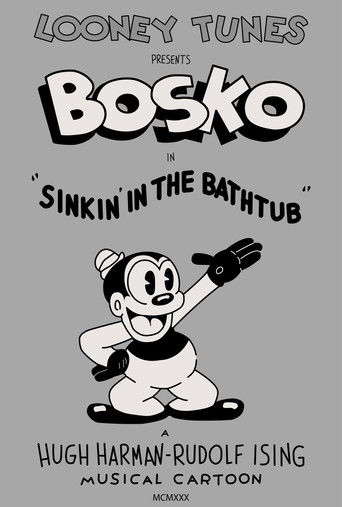
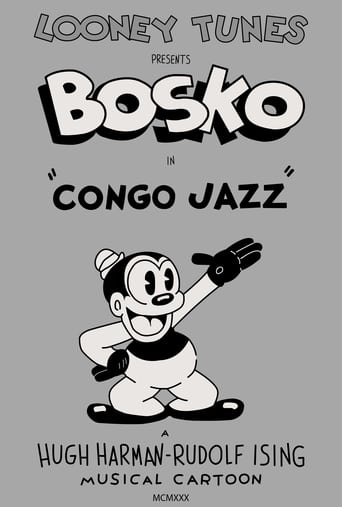
- This was the third Bosko cartoon produced for Warner Bros.' Looney Tunes series, following 'Sinkin' in the Bathtub' and 'Congo Jazz'
- Bosko was one of Warner Bros.' first cartoon characters, created by Hugh Harman and Rudolf Ising after they left Disney Studios
- The cartoon was released during the second year of the Great Depression, providing escapist entertainment for struggling audiences
- The musical elements in the cartoon reflect the popularity of musicals during the early sound era, with over 100 musical films produced in 1930 alone
- The decapitated mouse gag was typical of the edgier humor allowed in early animation before the Hays Code enforcement
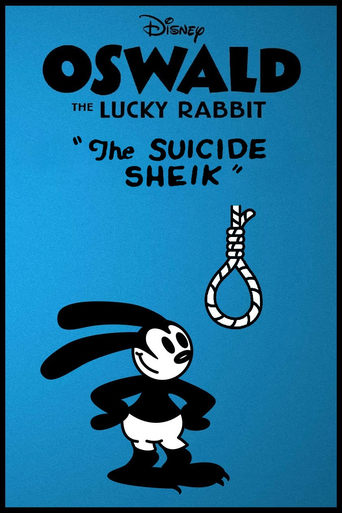
- Hugh Harman and Rudolf Ising had previously worked with Walt Disney on the Oswald the Lucky Rabbit cartoons before forming their own studio
- The film was distributed as part of Warner Bros.' new Looney Tunes series, which was created to compete with Disney's Silly Symphonies
- Bosko's character was originally conceived in 1927 as a live-action character before being adapted for animation
- This short was produced before the creation of more famous Warner characters like Porky Pig (1935) or Bugs Bunny (1938)
- The goat inflation scene demonstrates the surreal physical comedy that would become a hallmark of Warner Bros. animation style
- The cartoon's title 'Hold Anything' is a play on construction terminology and the various objects Bosko uses to make music
Visual style
The animation in Hold Anything utilizes the black and white technology of the era, with careful attention to the synchronization of movement with sound. The visual style features the rubber hose animation technique popular in the 1930s, with characters having flexible, fluid movements without realistic anatomy constraints. The construction site setting allows for dynamic visual gags and perspective changes, utilizing vertical space with scaffolding and building structures. The camera work includes close-ups on musical elements and wide shots of the construction site, creating visual variety within the short's limited runtime. The animation demonstrates the technical sophistication of the Harman-Ising studio, with smooth character movement and detailed background art that was advanced for its time. The visual gags are carefully timed to match the musical beats, creating a unified audiovisual experience.
Innovations
Hold Anything showcased advanced synchronization techniques for its time, with precise matching of musical notes to animated actions that required careful planning and execution. The film demonstrated the creative possibilities of the Vitaphone sound system, which Warner Bros. had helped pioneer and which provided superior audio quality compared to competing sound-on-film systems. The animation of the goat inflation sequence required complex planning to achieve the desired comedic effect while maintaining visual consistency and believable physics within the cartoon's surreal logic. The cartoon's musical sequences required complex timing between animation, music, and sound effects, representing a significant technical achievement for early sound animation. The film also experimented with perspective and spatial relationships in its construction site setting, using multi-level backgrounds to create depth and opportunities for visual gags. The seamless integration of music, sound effects, and animation set new standards for what could be achieved in sound cartoons.
Music
The soundtrack is central to Hold Anything, featuring Bosko's improvised musical performances using various objects found on the construction site. The score includes popular songs of the era arranged for the cartoon's musical sequences, reflecting the Tin Pan Alley style prevalent in early sound films. Sound effects were carefully synchronized with the visual gags, a technical achievement for 1930 that required precise timing and recording techniques. The music was likely performed by the Warner Bros. studio orchestra, utilizing their Vitaphone sound recording system which provided superior audio quality for the period. The soundtrack exemplifies the early sound era's approach to animation, where music and sound effects were as important as the visual elements in creating entertainment value. The musical sequences demonstrate the creative possibilities of synchronized sound, with everyday objects transformed into percussion instruments through clever sound design.
Famous quotes
Bosko's various musical vocalizations and scat singing throughout the cartoon
The sound effects accompanying Bosko's creation of music from construction tools
Memorable scenes
- The opening sequence where Bosko transforms construction equipment into a musical orchestra
- The controversial decapitated mouse scene where Bosko uses the mouse's tail as a string instrument
- The goat inflation scene where Bosko fills the animal with hot air like a balloon, creating a bagpipe-like instrument
- Bosko's courtship of Honey through his musical performances on the construction site
- The typewriter sequence where Bosko creates rhythmic music using office equipment
What audiences thought
In 1930, audiences embraced Hold Anything and other Bosko cartoons as entertaining novelties that showcased the new possibilities of sound animation. The musical elements and slapstick comedy appealed to moviegoers seeking lighthearted entertainment during the Depression era. Bosko became a popular character for a brief period, appearing in numerous Looney Tunes shorts between 1930-1933, though he would eventually be overshadowed by other Warner characters. The cartoon's theatrical run was successful enough to justify continued production of Bosko shorts. Modern audiences rarely see these cartoons due to their controversial racial elements, but animation enthusiasts and historians still study them for their technical and historical importance in understanding the evolution of American animation.
Film connections
Influenced by
- Disney's early sound cartoons like Steamboat Willie
- Vaudeville performance traditions
- Jazz age music culture
- Industrial revolution imagery
- Silent film comedy traditions
This film influenced
- Later Bosko cartoons in the Looney Tunes series
- Early Merrie Melodies series
- Warner Bros. musical cartoons of the 1930s
- Later musical-themed cartoons from various studios
Film restoration
The film exists in the Warner Bros. archive and has been preserved as part of animation history, though it is rarely shown publicly due to its controversial racial stereotypes. 35mm original negatives are stored in the Warner Bros. collection, and the cartoon has been digitally preserved for archival purposes. Some copies exist in private collections and animation archives, with various versions circulating among collectors. The film is part of the Library of Congress's collection of historically significant animation, though access is restricted due to the content's sensitive nature.
Where to watch
- Available on various public domain animation websites and classic cartoon archives
- Included in some Warner Bros. animation collections (though often with contextual warnings about content)
- Accessible through animation archives and special collections at universities and museums
- Available on some streaming platforms specializing in classic animation and public domain content
- Can be found in animation history compilations and documentary collections about early sound cartoons