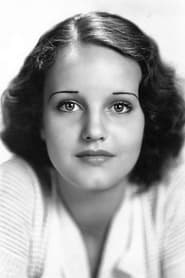
Rochelle Hudson
Actor
Born: March 6, 1916 in Oklahoma City, Oklahoma, USA Died: January 17, 1972 Active: 1931-1960 Birth Name: Rochelle Elizabeth Hudson
Films
8 films
About Rochelle Hudson
American actress who rose to prominence during Hollywood's Golden Age, beginning her career as a teenager in the early 1930s. Discovered by a talent scout while still in high school, she quickly became a popular contract player at various studios, known for her girl-next-door charm and versatility in both dramatic and comedic roles. Hudson appeared in over 70 films throughout her three-decade career, working with some of the biggest stars of her era including Shirley Temple, Mae West, and the Marx Brothers. She often played supporting roles as the leading lady's best friend or the romantic interest's sister, establishing herself as a reliable character actress. Her screen career spanned the early sound era through the 1950s, with notable appearances in films like 'I'm No Angel' (1933), 'Dead End' (1937), and 'Rebecca of Sunnybrook Farm' (1938). Despite never achieving top-billed status, Hudson maintained steady employment in Hollywood and transitioned successfully to television in the 1950s. Her life came to a tragic end in 1972 when she died of a heart attack at age 55.
The Craft
On Screen
Rochelle Hudson was known for her natural, understated acting style that made her perfect for girl-next-door roles. She possessed a warm screen presence and the ability to convey both innocence and worldly wisdom, often playing the sensible friend or supportive sister to the lead actress. Her comedic timing was subtle but effective, and she could handle dramatic material with genuine emotion without becoming melodramatic. Hudson's acting was characterized by its authenticity and relatability, making her audiences feel they were watching a real person rather than a movie star performance.
Milestones
- Film debut in 'The Age for Love' (1931)
- Breakthrough role in 'I'm No Angel' (1933) opposite Mae West
- Memorable performance in 'Dead End' (1937) with the Dead End Kids
- Co-starred with Shirley Temple in 'Rebecca of Sunnybrook Farm' (1938)
- Appeared in Alfred Hitchcock's 'Foreign Correspondent' (1940)
- Transition to television work in the 1950s
- Final film appearance in 'The Purple Hills' (1961)
Best Known For
Iconic Roles
Must-See Films
Accolades
Special Recognition
- Hollywood Walk of Fame star (6240 Hollywood Boulevard)
Working Relationships
Worked Often With
Studios
Why They Matter
Impact on Culture
Rochelle Hudson represents the quintessential Hollywood supporting actress of the Golden Age, the reliable presence who helped make hundreds of films complete with her authentic performances. She worked across multiple genres and studios, embodying the studio system's versatility and professionalism. Her appearances in significant films like 'Dead End' and 'Foreign Correspondent' placed her at the center of important cinematic movements, including social problem films and political thrillers of the late 1930s and early 1940s. Hudson's career trajectory also illustrates the challenges faced by character actresses who never achieved stardom but maintained steady employment through talent and adaptability.
Lasting Legacy
Rochelle Hudson's legacy lies in her substantial body of work that spans three decades of American cinema history. While never a household name, film historians and classic movie enthusiasts recognize her as a talented performer who elevated every film she appeared in. Her performances in socially significant films like 'Dead End' and 'The Grapes of Wrath' have ensured her place in film history books. Hudson's career shows the importance of supporting players in creating memorable cinema, and her ability to work consistently across different studios and genres demonstrates the professionalism that defined Hollywood's Golden Age.
Who They Inspired
As a supporting actress rather than a star, Rochelle Hudson's direct influence on other performers was limited, but her work ethic and versatility set an example for character actors who followed. Her natural acting style contrasted with the more theatrical approaches common in early sound films, contributing to the evolution of more realistic screen performances. Hudson's ability to transition from teenage roles to adult characters smoothly provided a model for other young actresses seeking to build lasting careers in Hollywood. Her collaborations with major directors like Hitchcock and Ford helped establish standards for supporting performances in prestige productions.
Off Screen
Rochelle Hudson had a tumultuous personal life marked by four marriages and financial struggles. She married her first husband, Los Angeles Times sports editor Charles E. Butterworth, in 1939 when she was just 23, but the marriage ended in divorce. Her second marriage to Robert L. Mindell, a hotel executive, also ended in divorce. She later married Harold Thompson, a former baseball player, and finally Jack E. Leonard, a sportswriter. Despite her steady career, Hudson faced financial difficulties in her later years and was reportedly living in modest circumstances at the time of her death. She had no children and spent her final years in Palm Desert, California.
Education
Attended Hollywood High School before being discovered by a talent scout
Family
- Charles E. Butterworth (1939-1940)
- Robert L. Mindell (1941-1947)
- Harold Thompson (1949-1956)
- Jack E. Leonard (1960-1962)
Did You Know?
- She was discovered by a talent scout while still attending Hollywood High School
- Her godmother was famous actress Mae West, who helped advance her career
- She appeared in both versions of 'A Star is Born' (1937 and 1954) in different roles
- Hudson was one of the few actresses to work with both Shirley Temple and Mae West
- She was a contract player at four different major studios during her career
- Despite appearing in over 70 films, she never received top billing in a major production
- She was briefly engaged to actor Robert Taylor early in her career
- Hudson — accomplished horse rider and often performed her own stunts in westerns
- She appeared in the original Broadway production of 'Dead End' before the film version
- Her final years were marked by financial difficulties despite her long career
In Their Own Words
I never wanted to be a star. I just wanted to be a good actress and make a living.
In Hollywood, you're either a star or you're nothing. I was happy being something in between.
Working with Mae West was like getting a masterclass in screen presence every day.
Frequently Asked Questions
Who was Rochelle Hudson?
American actress active during Hollywood's Golden Age, appearing in over 70 films from 1931 to 1960. She was known for her roles as a reliable supporting actress in films like 'I'm No Angel,' 'Dead End,' and 'Rebecca of Sunnybrook Farm,' working with major stars including Mae West and Shirley Temple.
What films is Rochelle Hudson best known for?
Titles linked here include I'm No Angel (1933), Dead End (1937).
When was Rochelle Hudson born and when did she die?
Born March 6, 1916; died January 17, 1972.
What awards did Rochelle Hudson win?
While Rochelle Hudson did not win major acting awards during her career, she was honored with a star on the Hollywood Walk of Fame at 6240 Hollywood Boulevard, recognizing her contributions to the film industry.
What was Rochelle Hudson's acting style?
Hudson was known for her natural, understated acting style that made her perfect for girl-next-door roles. She possessed a warm screen presence and authentic emotional delivery, avoiding melodrama while effectively handling both dramatic and comedic material.