Films
13 films
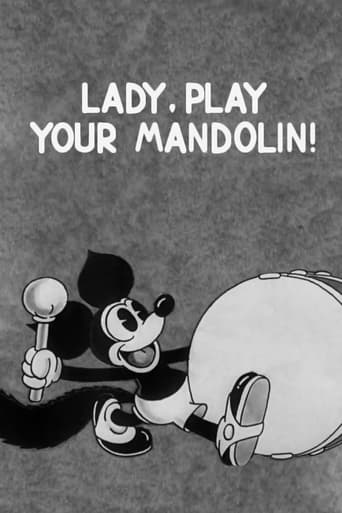
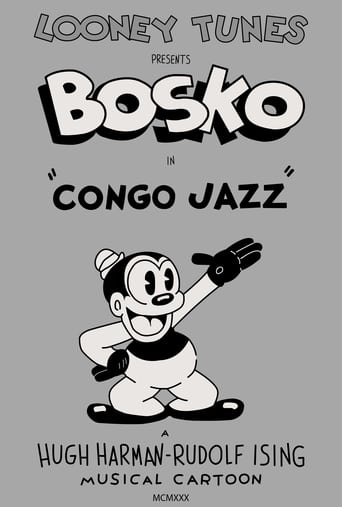
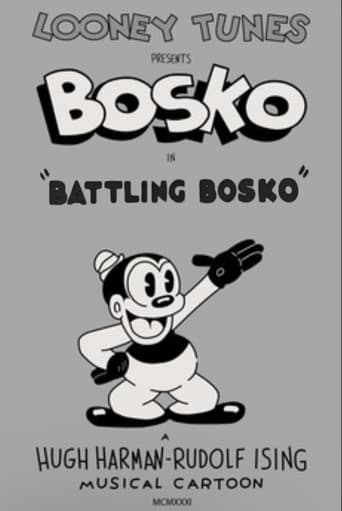
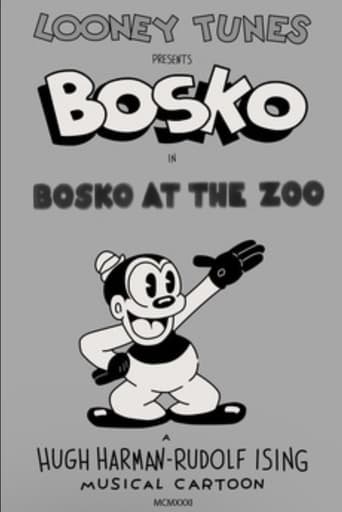
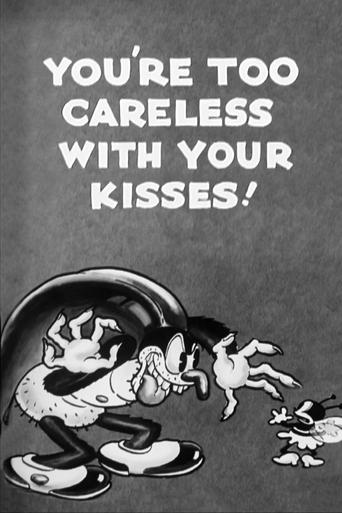
About Johnny Murray
Early voice actor who worked during the days of sound animation in the early 1930s. He contributed his vocal talents to Warner Bros.' Merrie Melodies series during its formative years when the studio was establishing itself as a major player in the animation industry. Murray appeared in at least two notable cartoons from this period, providing character voices during an era when voice acting was still a relatively new field in entertainment. His work coincided with the transition from silent to sound cartoons, making him part of the first generation of voice actors in animation history. Despite his brief documented career, Murray represents the early development of voice acting as a specialized craft in the film industry. His contributions, though limited in scope, helped establish the foundation for what would become a vital aspect of animated entertainment.
The Craft
Milestones
- Voice work in early Warner Bros. Merrie Melodies cartoons
- Contributed to sound animation era
- Part of first generation of cartoon voice actors
Best Known For
Iconic Roles
Must-See Films
Working Relationships
Worked Often With
Studios
Why They Matter
Impact on Culture
Johnny Murray, though largely forgotten today, represents an important part of animation history as one of the voice actors during the transition from silent to sound cartoons. His work in the early Merrie Melodies series contributed to establishing voice acting as a crucial element of animated entertainment. During a time when animation studios were experimenting with sound and synchronized dialogue, performers like Murray helped lay the groundwork for the sophisticated voice acting techniques that would become standard in later decades. The early 1930s marked a revolutionary period in animation, and voice actors like Murray were integral to this transformation, helping cartoons evolve from visual spectacles to fully realized audiovisual experiences.
Lasting Legacy
Johnny Murray's legacy, while not widely recognized, lies in his contribution to the foundational era of voice acting in animation. As part of the first wave of performers to lend their voices to cartoon characters, he helped establish the conventions and techniques that would influence generations of voice actors to come. His work on early Merrie Melodies represents the experimental and innovative spirit of early sound animation, where performers were discovering how to bring animated characters to life through voice alone. Though his documented career was brief, Murray represents the countless unsung talents who contributed to the development of animation as an art form during its most formative years.
Who They Inspired
Due to the limited documentation of his career and the early stage of voice acting as a profession during his active period, specific influences of Johnny Murray on other performers are difficult to trace. However, as part of the generation of voice actors, his work would have contributed to the development of voice acting techniques and approaches that subsequent performers would build upon. The early Warner Bros. Cartoons he worked on helped establish the importance of distinctive character voices in animation, influencing how future voice actors would approach their craft.
Off Screen
Very little is documented about Johnny Murray's personal life, as was common for many early voice actors who worked behind the scenes in the burgeoning animation industry of the 1930s.
Did You Know?
- Johnny Murray worked during the very beginning of sound animation, a revolutionary period in cartoon history
- His documented career spans only two years, making him one of many brief contributors to early animation
- The cartoons he worked on were part of Warner Bros.' Merrie Melodies series, which competed with Disney's Silly Symphonies
- Early voice actors like Murray often remained without on-screen billing in cartoon productions
- Voice acting was not yet recognized as a specialized profession during his career
- The early 1930s saw massive experimentation with sound in animation, with performers like Murray at the forefront
- Many early voice actors also performed other roles in animation production
- The transition to sound created new opportunities for performers with distinctive voices
- Early Warner Bros. Cartoons often featured musical elements, requiring versatile vocal performances
- Voice actors in this era frequently performed multiple character voices in a single cartoon
Frequently Asked Questions
Who was Johnny Murray?
Early voice with credits in this catalog. During the days of sound animation in the early 1930s, contributing to the Merrie Melodies cartoon series.
What films is Johnny Murray best known for?
Titles linked here include Hold Anything (1930), Hittin' the Trail for Hallelujah Land (1931).
When was Johnny Murray active in his career?
Johnny Murray's documented career as a voice actor spanned from 1930 to 1931, during the early transition period from silent to sound animation.
What studio did Johnny Murray work for?
Johnny Murray worked for Warner Bros. Studios, contributing to their Merrie Melodies cartoon series during its early years.
Why is Johnny Murray significant in film history?
Johnny Murray represents the first generation of voice actors in animation history, working during the revolutionary period when cartoons were transitioning from silent to sound formats.
What was the animation industry like when Johnny Murray worked?
During Murray's career in 1930-1931, the animation industry was undergoing massive changes with the introduction of sound, creating new opportunities for voice actors and transforming cartoons into audiovisual entertainment.