
Hittin' the Trail for Hallelujah Land
"Riverboat of banned ghosts"
Keys: Space play/pause · ←/→ 10s · F fullscreen · M mute · </> speed
About this film
Censored Eleven entry has Piggy and Fluffy on a riverboat while Uncle Tom flees skeleton gospel singers. Piggy and Fluffy, which is the ripoff of Mickey and Minnie, have adventures on a riverboat and Uncle Tom is chased by skeletons promising to take him to Hallelujah Land. One of the "Censored Eleven" banned from TV syndication by United Artists in 1968 for racist stereotyping.
Cast & crew
More films like this
More Comedy films
View all →







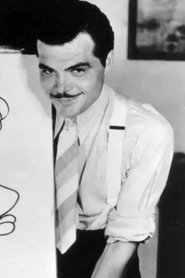
More from Rudolf Ising
View all →
More about this film
About the production
Release dateOctober 17, 1931
Box officeNot tracked for theatrical shorts in this era
ProductionLeon Schlesinger Productions, Warner Bros. Pictures
Filmed inHollywood, California - animation studio
This cartoon was produced during the early days of Warner Bros.' animation division, when Rudolf Ising and Hugh Harman were establishing the Merrie Melodies series. The animation was created using traditional cel animation techniques, with each frame hand-drawn and painted. The riverboat setting and musical themes were chosen to capitalize on the popularity of Mississippi riverboat stories and musicals of the era. The character designs for Piggy and Fluffy were intentionally created as parodies of Disney's Mickey and Minnie Mouse, a common practice in early animation studios.
Themes
Racial stereotypesParody and competitionMusical entertainmentHorror-comedy hybridRiverboat and Southern nostalgia
Themes & topics
Historical background
1931 placed Hittin' the Trail for Hallelujah Land within United States cinema as Leon Schlesinger Productions navigated wartime markets, immigration audiences, and the shift from intertitles to sound.
Why this film matters
Archivists revisit Hittin' the Trail for Hallelujah Land (1931) for Rudolf Ising style, genre norms at Leon Schlesinger Productions, and the exhibition context of 6 minutes programming.
Making of
The creation of 'Hittin' the Trail for Hallelujah Land' occurred during a competitive period in animation history when studios were constantly borrowing and parodying each other's characters. Rudolf Ising, having previously worked with Walt Disney, created Piggy and Fluffy as direct competitors to Mickey and Minnie Mouse. The animation was produced using the traditional cel animation process, with backgrounds painted separately from character cels. The musical numbers were synchronized to popular songs of the era, a hallmark of the Merrie Melodies series. The production team faced technical challenges with the two-strip Technicolor process, which limited the color palette but still represented a significant advancement over black and white animation. The racist caricatures in the cartoon, while offensive by modern standards, reflected the widespread casual racism present in American media during the early 1930s.
What critics said
Retrospective writing on Hittin' the Trail for Hallelujah Land stresses craft by Rudolf Ising, print survival, and repertory value rather than opening-week gross alone.
Did you know?
- This cartoon is part of the infamous 'Censored Eleven' - a group of Warner Bros. cartoons banned from television syndication in 1968 due to racist content
- The characters Piggy and Fluffy were deliberately created as parodies of Disney's Mickey and Minnie Mouse characters
- The title references the popular song 'Hallelujah, I'm a Bum' which was featured in the cartoon
- This was one of the early Merrie Melodies cartoons, a series designed to showcase popular music of the era
- Director Rudolf Ising was one of the pioneers of American animation, having previously worked with Walt Disney
- The cartoon uses two-strip Technicolor, an early color process that was expensive and limited in its color range
- The riverboat setting was inspired by the popularity of Mississippi riverboat stories and musicals in the early 1930s
- United Artists pulled this and ten other cartoons from broadcast in 1968 as part of a civil rights-era decision
- The skeleton characters represent an early example of horror elements in Warner Bros. animation
- This cartoon is rarely seen today due to its controversial content and limited preservation efforts
Visual style
The cartoon utilized early two-strip Technicolor, which created a distinctive but limited color palette dominated by greens and reds. The animation style was typical of early 1930s Warner Bros. cartoons, with exaggerated character movements and rubbery animation techniques. The riverboat scenes featured scrolling backgrounds to create the illusion of movement along the water. The skeleton sequences used glow effects to create supernatural elements, an innovative technique for the time. The character designs for Piggy and Fluffy closely mimicked the style of Disney characters while adding Warner Bros.' own comedic touches. The animation demonstrated the studio's growing technical capabilities in synchronizing movement with musical scores.
Innovations
The cartoon represented an early use of two-strip Technicolor in animation, though the technology was still limited in its color reproduction. The synchronization of music and animation demonstrated the growing sophistication of sound cartoons in the early 1930s. The scrolling background techniques used for riverboat scenes were innovative for creating movement in static animation. The glow effects used for the skeleton characters showed early experimentation with special effects in animation. The cartoon also demonstrated Warner Bros.' growing technical capabilities in creating fluid character animation and complex scene transitions. While not groundbreaking by later standards, the cartoon incorporated several technical advances that were cutting edge for its time.
Music
The cartoon featured several musical numbers typical of the Merrie Melodies series, which was designed to showcase popular songs of the era. The title song 'Hallelujah, I'm a Bum' served as the main musical theme, with variations appearing throughout the cartoon. The soundtrack included typical 1930s jazz and ragtime arrangements that accompanied the riverboat setting. Sound effects were synchronized with the animation, including exaggerated footsteps, splashing water, and comedic boings and crashes. The musical numbers were used to advance the plot and provide entertainment value, a common practice in early sound cartoons. The voice work included stereotyped dialects that were common in the era but are now recognized as offensive caricatures.
Famous quotes
'Hallelujah, I'm a Bum!' - Title song refrain
'We're hittin' the trail for Hallelujah Land!' - Main musical theme
Memorable scenes
- The opening sequence introducing Piggy and Fluffy on the riverboat
- The musical number with the Uncle Tom character singing and dancing
- The chase scene where skeletons pursue the Uncle Tom character
- The finale where characters reach 'Hallelujah Land'
What audiences thought
In 1931, audiences likely enjoyed the cartoon as typical entertainment, with little objection to the racist caricatures that were common in media of the era. The musical elements and comedy would have been the main draws for theatergoers seeking light entertainment during the Depression. Modern audiences would find the content deeply offensive, and the cartoon is rarely shown publicly today. The banning of the cartoon in 1968 reflected changing audience attitudes and growing awareness of racial issues. Contemporary audiences who have seen it through academic or historical contexts typically react with shock at the blatant stereotypes, though some animation enthusiasts appreciate it as a technical artifact of early Warner Bros. animation.
Film connections
Influenced by
- Disney's Mickey Mouse cartoons
- Steamboat Willie (1928)
- Minstrel shows and blackface performances
- Popular riverboat musicals of the era
- Early horror films
This film influenced
- Other Merrie Melodies cartoons with similar racial caricatures
- Later Warner Bros. cartoons featuring parody characters
- The development of the Censored Eleven as a group
Film restoration
Preserved in the Warner Bros. film archive but rarely shown publicly. The cartoon exists in its original form but is kept from general distribution due to its controversial content. It has been digitally preserved as part of the Warner Bros. library restoration project.
Where to watch
- Not legally available for public viewing due to its status as part of the Censored Eleven
- Archival copies may be viewed by researchers at the Warner Bros. archive
- Bootleg versions occasionally circulate online but are not officially sanctioned
- Film studies programs may have access for academic purposes