Films
1 film
About The King's Men
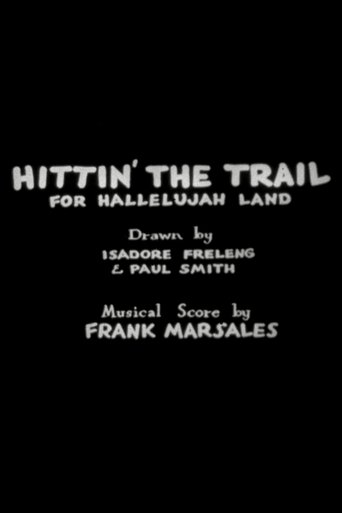
The King's Men were a prominent American vocal quartet that rose to fame during the early sound era of cinema, particularly known for their work with Warner Bros. Animation studio in the 1930s. The group specialized in close harmony singing and became sought-after vocal ensembles for early Merrie Melodies cartoons, providing the musical foundation for many animated shorts during the transition from silent to sound pictures. Their collaboration with Warner Bros. Began around 1930 and continued through the early 1930s, during which they lent their distinctive harmonies to numerous animated musical shorts. The group consisted of talented vocalists who were also accomplished musicians, capable of adapting their style to suit various musical genres from gospel to jazz. Their work in 'Hittin' the Trail for Hallelujah Land' (1931) exemplified their ability to blend traditional American folk elements with the emerging sound of early talkies. Beyond animation, The King's Men also performed on radio programs and live shows, contributing to the popularization of vocal harmony groups during the Golden Age of Radio. Their legacy, while primarily tied to their animation work, represents an important chapter in the evolution of sound in early cinema and the development of animated musical shorts.
The Craft
On Screen
Specialized in close harmony singing with smooth, blended vocal arrangements that complemented the visual storytelling of early animation
Milestones
- Provided vocals for Warner Bros. Merrie Melodies cartoons
- Performed in 'Hittin' the Trail for Hallelujah Land' (1931)
- Contributed to early sound animation development
- Radio performances during Golden Age of Radio
- Pioneered vocal harmony work in animated shorts
Best Known For
Iconic Roles
Must-See Films
Accolades
Special Recognition
- Pioneers in early sound animation vocals
Working Relationships
Worked Often With
Studios
Why They Matter
Impact on Culture
The King's Men played a significant role in the development of sound animation during the crucial transition period from silent films to talkies. Their harmonious vocals helped establish the musical template for early Merrie Melodies cartoons, influencing how music and singing would be integrated into animated storytelling. Their work demonstrated how vocal performances could enhance the emotional impact and entertainment value of animated shorts, contributing to the growing popularity of musical animation in the early 1930s. The group's contributions helped Warner Bros. Establish their distinctive musical identity in animation, setting standards that would influence future generations of animated musical productions.
Lasting Legacy
The King's Men left an enduring legacy as pioneers of vocal harmony in early animation, though their individual identities remain largely anonymous in film history. Their work represents an important bridge between vaudeville-style performance and modern animation voice work. The vocal techniques and harmonies they developed influenced later animation voice ensembles and contributed to the evolution of the musical cartoon format. While specific members like Ken Darby would go on to greater recognition in later years, the collective work of The King's Men during this period remains proof of the crucial role of supporting performers in establishing the foundations of sound animation.
Who They Inspired
The King's Men influenced the integration of music and animation, demonstrating how vocal harmonies could enhance animated storytelling. Their work set precedents for future animation voice ensembles and contributed to the development of the musical cartoon as a distinct genre. Their approach to blending vocals with animation influenced how studios would approach musical elements in cartoons throughout the Golden Age of Animation.
Off Screen
The King's Men were primarily professional musicians and performers who worked as session vocalists for Warner Bros. The group members were dedicated to their craft and spent much of their time in recording studios and radio stations. Their personal lives remain largely undocumented as they were supporting performers rather than named stars of the era.
Did You Know?
- The King's Men were one of the first professional vocal groups to work regularly in animation
- They provided vocals for multiple Merrie Melodies shorts in 1931
- Member Ken Darby later formed The Ken Darby Singers and worked with Disney
- The group's name was inspired by their regal-sounding harmonies
- They worked during the transition period when cartoons were evolving from silent to sound
- Their performances helped establish Warner Bros.' early musical identity in animation
- The group was part of the growing trend of vocal harmony groups in the early 1930s
- They worked closely with animation pioneers Hugh Harman and Rudolf Ising
- Their recordings were made using the Vitaphone sound system
- The group disbanded as individual members pursued other musical opportunities
Frequently Asked Questions
Who were The King's Men?
The King's Men were an American vocal quartet active in the early 1930s, best known for providing harmonious vocals for Warner Bros. Merrie Melodies cartoons during the early sound era of animation.
What films is The King's Men best known for?
They are best known for their work in early Warner Bros. Animated shorts including 'Hittin' the Trail for Hallelujah Land' (1931), 'Lady, Play Your Mandolin!' (1931), and 'Smile, Darn Ya, Smile!' (1931).
When were The King's Men active?
The King's Men were primarily active from 1930 to 1935, during the crucial transition period from silent films to sound in animation.
What was The King's Men's singing style?
They specialized in close harmony singing with smooth, blended vocal arrangements that complemented the visual storytelling of early animation, adapting their style to various musical genres.
How did The King's Men influence animation?
They helped establish the musical template for early sound cartoons, demonstrating how vocal performances could enhance animated storytelling and influencing future animation voice ensembles.
Who were the members of The King's Men?
The group included talented vocalists such as Ken Darby, Bud Linn, Jon Dodson, and Charles Schrouder, though they were primarily known collectively rather than as individual performers.
What happened to The King's Men after 1935?
The group disbanded as members pursued other musical opportunities, with Ken Darby later forming The Ken Darby Singers and working on major film productions including Disney projects.