The Booze Hangs High
"Bosko turns the farm into a tipsy musical playground."
Keys: Space play/pause · ←/→ 10s · F fullscreen · M mute · </> speed
About this film
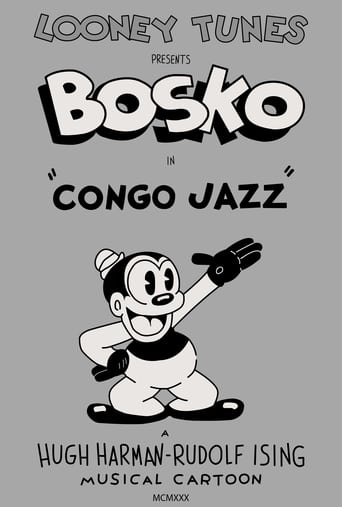
Bosko has a grand time on the farm, dancing with a cow, playing a horse's tail like a violin and getting drunk with three pigs. It is the fourth film in the Looney Tunes series featuring Bosko.
Cast & crew
More films like this
More Comedy films
View all →







More from Hugh Harman
View all →

More about this film
About the production
Release dateJuly 19, 1930
ProductionHarman-Ising Pictures, Warner Bros. Pictures
Filmed inHollywood, California
This was the third Bosko cartoon produced in the Looney Tunes series, created using traditional cel animation techniques with synchronized sound through the Vitaphone system. The production team worked with limited budgets compared to Disney, leading to more economical animation methods that would become characteristic of Warner Bros. cartoons. The voice work for Bosko was performed by Carman Maxwell, who provided the character's distinctive falsetto voice and vocalizations. Musical arrangements were handled by Frank Marsales, who established the musical foundation for early Warner Bros. cartoons.
Themes
Themes & topics
Historical background
Production circa 1930 placed The Booze Hangs High within the technical habits of its era—intertitles, studio sets, and regional distribution networks.
Why this film matters
Archivists revisit The Booze Hangs High (1930) for performance styles and craft choices that later releases refined or replaced.
Making of
The production of 'The Booze Hangs High' took place during a pivotal period when Hugh Harman and Rudolf Ising were establishing their independence from Walt Disney after leaving his studio. They secured a contract with Warner Bros. to produce cartoon shorts, with Bosko as their flagship character. The animation team worked in a small studio in Hollywood with limited resources, forcing them to develop cost-effective animation techniques. The synchronized sound was achieved using the Vitaphone system, which Warner Bros. had pioneered. The musical numbers were recorded first, with animators timing their drawings to match the pre-recorded soundtrack. The drunk pigs sequence required particularly careful animation timing to convincingly portray the effects of intoxication through movement and expression.
What critics said
Press files from 1930 rarely give The Booze Hangs High extended review space; mentions appear in roundup columns.
Did you know?
- The title is a pun on the phrase 'The goose hangs high,' meaning everything is going well
- This was one of the early cartoons to feature synchronized sound throughout rather than just for musical segments
- Bosko was the first recurring character created specifically for what would become the Looney Tunes series
- The drunk pigs sequence was considered somewhat controversial even in 1930 for depicting animal intoxication
- Hugh Harman and Rudolf Ising created Bosko based on their memories of an African-American boy they knew in Kansas City
- The cartoon was released just as the Great Depression was beginning, providing escapist entertainment for struggling audiences
- The animation style shows influences from both Disney and Fleischer Studios techniques of the era
- This cartoon helped establish Warner Bros. as a serious competitor in the animation market
- The film features early examples of musical synchronization that would become a hallmark of Warner Bros. cartoons
- The horse tail violin sequence became among the leading referenced gags from early Bosko cartoons
Visual style
The visual style of 'The Booze Hangs High' exemplifies the animation techniques of the early sound era, primarily utilizing the rubber hose animation style characterized by flexible, boneless limbs and exaggerated physical movements. The film was shot in black and white using traditional cel animation methods with relatively static camera work compared to later cartoons. The compositions typically use medium shots to showcase character actions and musical performances, with clear silhouettes ensuring gags read effectively on screen. The animation demonstrates influences from both Disney's emerging character animation style and Fleischer Studios' more surreal approach to cartoon physics. The visual storytelling relies heavily on exaggerated physical comedy and rhythmic movement synchronized with the musical soundtrack.
Innovations
'The Booze Hangs High' demonstrated several technical innovations for its time, particularly in synchronized sound animation. The cartoon utilized the Vitaphone sound-on-disc system with notable precision in synchronizing the musical score, sound effects, and on-screen action. The film featured relatively sophisticated lip synchronization for the period, with characters' mouth movements matching their vocalizations more accurately than many contemporary cartoons. The animation team developed efficient methods for creating fluid character movement while maintaining production constraints, techniques that would influence future Warner Bros. cartoons. The successful integration of music, sound effects, and animation helped establish the template for future musical cartoons from the studio and demonstrated the growing sophistication of sound animation technology.
Music
The musical score for 'The Booze Hangs High' was composed by Frank Marsales, who would become the regular composer for early Looney Tunes shorts. The soundtrack features several original musical numbers performed by the characters, including Bosko's various instrumental performances using farm animals and objects. The music incorporates popular song styles of the era, particularly jazz and ragtime influences that were common in early sound cartoons. The Vitaphone orchestra provided the musical accompaniment, utilizing the synchronized sound-on-disc system that Warner Bros. had pioneered. The soundtrack also includes carefully synchronized sound effects that enhance the comedic impact of the visual gags. The musical elements serve not only as entertainment but also as narrative devices, driving the story forward through rhythm and melody.
Famous quotes
Mammy!" - Bosko's characteristic catchphrase
Play that thing!" - Bosko encouraging musical performance
Various musical interludes and scat singing rather than traditional dialogue ]
memorableScenes
preservationStatus
The film is preserved in the Warner Bros. film archive and has been transferred from the original nitrate elements to safety film and digital formats for long-term preservation. The cartoon has been included in several home video collections of early Looney Tunes, ensuring its availability for study and viewing by animation enthusiasts and historians. The synchronized soundtrack has been restored and remastered for modern viewing formats, maintaining the original audio quality while improving clarity.
whereToWatch
What audiences thought
Audiences in 1930 responded positively to 'The Booze Hangs High,' finding its musical numbers and slapstick comedy entertaining during difficult economic times. The cartoon's simple, accessible humor appealed to both children and adults, making it popular as theatrical programming. The drunk pigs sequence was particularly memorable for viewers, becoming among the leading discussed aspects of the cartoon. The musical elements, especially Bosko's creative use of farm animals as instruments, resonated with audiences accustomed to musical entertainment of the era. However, modern audiences viewing the cartoon often find Bosko's characterization problematic due to racial stereotypes that were common in the period but are now recognized as offensive.
Film connections
Influenced by
- Steamboat Willie (1928)
- Felix the Cat cartoons
- Mickey Mouse shorts
- Fleischer Studios' Out of the Inkwell series
- Jazz Age culture
This film influenced
- Subsequent Bosko cartoons
- Early Porky Pig cartoons
- Later Looney Tunes musical shorts
- Merrie Melodies series
Where to watch
- Wikimedia Commons: https://commons.wikimedia.org/wiki/File:The%20Booze%20Hangs%20High%20190611%20LTGC.webm