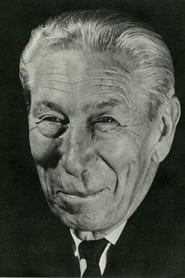
Delos Jewkes
Actor
Born: March 8, 1898 in Ohio, United States Died: February 14, 1976 Active: 1930-1936 Birth Name: Delos W. Jewkes
Films
2 films
About Delos Jewkes
Delos W. Jewkes — American bass singer and voice actor who made significant contributions to early sound animation during the 1930s. Best known for his deep, resonant voice, he became a featured vocalist in numerous Warner Bros. Merrie Melodies cartoons, where his singing provided the musical foundation for many animated shorts. His career in film animation spanned from 1930 to 1936, during which he worked on some of the earliest sound cartoons that helped establish the musical conventions of animated entertainment. Jewkes was part of a talented group of musicians and voice performers who transitioned from vaudeville and stage performance to the new medium of sound animation. Beyond his work in cartoons, he maintained a career as a professional bass singer in various musical performances and recordings. His distinctive voice became instantly recognizable to audiences of early animation, making him one of the voice actors in the field. After his animation career, he continued performing in other musical venues until his later years.
The Craft
On Screen
As a voice actor and singer, Jewkes was known for his powerful, deep bass voice that provided the foundation for many early cartoon musical numbers. His style was characterized by clear, resonant tones that could cut through the primitive recording equipment of the era. He approached his work with the professionalism of a classically trained singer, bringing theatrical gravitas to animated performances that helped elevate the artistic credibility of cartoons.
Milestones
- Featured vocalist in Warner Bros. Merrie Melodies series
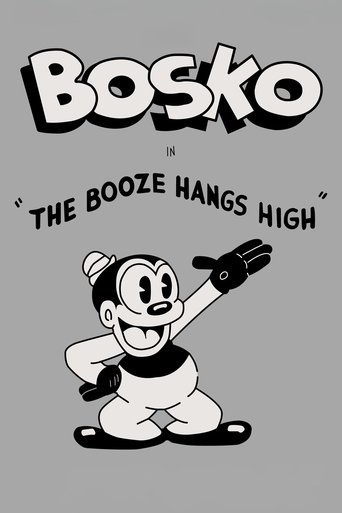
- Sang in 'The Booze Hangs High' (1930), one of the earliest sound cartoons
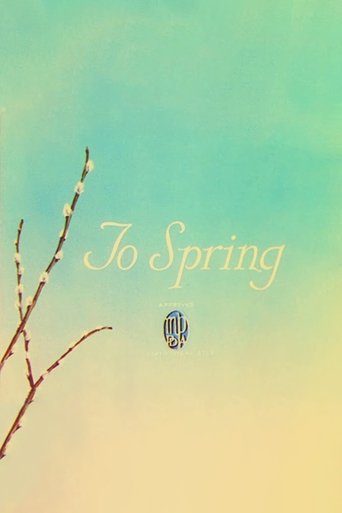
- Provided vocals for 'To Spring' (1936), a Harmon-Ising production
- voice actor in the transition from silent to sound animation
- Established the standard for bass vocals in early cartoon music
Best Known For
Iconic Roles
Must-See Films
Accolades
Special Recognition
- Recognized as a voice actor in early animation history
- Featured in animation history retrospectives for early sound era contributions
Working Relationships
Worked Often With
Studios
Why They Matter
Impact on Culture
Delos Jewkes played a crucial role in establishing the musical foundation of early sound animation. His deep bass voice became one of the signature sounds of the Merrie Melodies series during its formative years, helping to define the musical identity of Warner Bros. Cartoons. As one of the first generation of voice actors in animation, he helped demonstrate how professional singing could enhance the emotional impact and entertainment value of animated shorts. His work contributed to the transition of animation from novelty to legitimate artistic entertainment medium.
Lasting Legacy
Jewkes' legacy lives on through the preservation of early Warner Bros. Cartoons where his distinctive bass voice can still be heard. He represents the important but often unheralded group of talented musicians and voice performers who helped establish animation as a sophisticated art form. His contributions are studied by animation historians and enthusiasts interested in the early sound era. His work exemplifies the high level of musical talent that studios invested in their animated productions during the 1930s.
Who They Inspired
While not widely known by name, Jewkes influenced the standard of musical performance in animation by demonstrating the importance of professional vocal talent. His work helped establish the expectation that animated musical numbers should feature high-quality singing performances. This standard influenced subsequent generations of voice actors and musicians in animation, contributing to the elevation of cartoon music from simple accompaniment to integral storytelling element.
Off Screen
Delos Jewkes maintained a relatively private personal life outside of his entertainment career. He was known primarily for his professional work as a singer and voice actor rather than for his personal affairs. His dedication to his craft and his distinctive voice made him a respected figure in the early animation community, though he never achieved the celebrity status of some of his contemporaries.
Education
Trained as a professional bass singer, likely with formal vocal training typical of performers of his era
Did You Know?
- His voice was so distinctive that animation enthusiasts can still identify his performances in early cartoons
- Worked during the era when animation was transitioning from silent to sound
- Part of the first generation of professional voice actors in animation history
- His bass voice provided the foundation for many early cartoon musical arrangements
- Contributed to the Merrie Melodies series during its crucial early development years
- His performances predate the famous voice actors who would later become animation legends
- Worked with animation pioneers Hugh Harman and Rudolf Ising before they established MGM's cartoon studio
- His recordings represent some of the earliest examples of synchronized singing in animation
- The primitive recording technology of the era makes his clear, powerful vocals even more impressive
- His active years covered the period when animation was establishing itself as a major entertainment medium
Frequently Asked Questions
Who was Delos Jewkes?
American bass singer and voice with credits in this catalog. Merrie Melodies cartoons.
What films is Delos Jewkes best known for?
Titles linked here include The Booze Hangs High (1930), To Spring (1936).
When was Delos Jewkes born and when did he die?
Born March 8, 1898; died February 14, 1976.
What awards did Delos Jewkes win?
While Delos Jewkes did not receive major formal awards, he is recognized by animation historians as a voice actor who made significant contributions to early sound animation.
What was Delos Jewkes' vocal style?
Jewkes was known for his powerful, deep bass voice characterized by clear, resonant tones that could effectively cut through the primitive recording equipment of the early 1930s animation era.
What was Delos Jewkes' role in animation history?
He was one of the first professional voice actors in animation, helping establish the standard for musical performance in cartoons during the crucial transition from silent to sound animation.
Did Delos Jewkes work with any famous animation pioneers?
Yes, he worked with Hugh Harman and Rudolf Ising, animation pioneers who were instrumental in establishing both Warner Bros. And MGM cartoon studios.