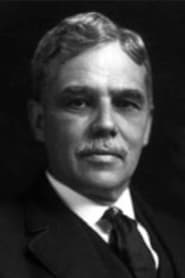
Carman Maxwell
Actor
Born: December 27, 1902 in Paris, Texas, USA Died: August 22, 1987 Active: 1929-1950s Birth Name: Carman Griffin Maxwell
Films
7 films



About Carman Maxwell
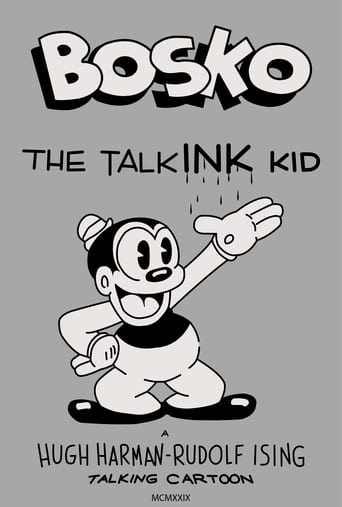
American animator and voice actor who in the early development of animated cartoons during the transition from silent films to talkies. Born in Texas in 1902, Maxwell began his animation career working with Hugh Harman and Rudolf Ising at the Walt Disney Studio in the 1920s before moving with them to Warner Bros. Where they created the Looney Tunes series. Maxwell was instrumental in creating and voicing the character Bosko, the first Looney Tunes star, who debuted in 'Bosko, the Talk-Ink Kid' (1929). He served as both an animator and voice talent for many of the early Bosko cartoons, establishing techniques that would influence animation for decades. After leaving Warner Bros., Maxwell continued his career at MGM with Harman and Ising, working on their Tom and Jerry series and other animated shorts. His contributions spanned the golden age of animation, and he remained active in the industry through the 1940s and 1950s, witnessing and contributing to the evolution of animation from simple shorts to more sophisticated storytelling.
The Craft
On Screen
As a voice actor for Bosko, Maxwell employed a high-pitched, energetic vocal style that characterized early cartoon voices. His animation style reflected the rubber-hose animation techniques popular in the late 1920s and early 1930s, with exaggerated movements and expressive character designs that helped establish the visual language of early American animation.
Milestones
- Co-creator and original voice of Bosko character
- animator in early Looney Tunes series
- Key contributor to early sound animation techniques
- Worked with animation legends Hugh Harman and Rudolf Ising
- Contributed to early MGM animation department
- Participated in transition from silent to sound animation
Best Known For
Iconic Roles
Must-See Films
Accolades
Special Recognition
- Recognized as animation pioneer in historical animation texts
- Carman Maxwell performed in animation history documentaries
Working Relationships
Worked Often With
Studios
Why They Matter
Impact on Culture
Carman Maxwell's work as an animator and voice actor during the crucial transition period from silent to sound animation helped establish the foundation for American animated cartoons. His contributions to the Bosko character represented one of the first successful attempts at creating a recurring animated star for the new sound era, paving the way for future cartoon characters like Mickey Mouse, Porky Pig, and Bugs Bunny. The animation techniques he helped develop and refine during this period influenced the visual style of American cartoons for decades to come.
Lasting Legacy
Maxwell's legacy lies in his role as a pioneer of sound animation and his contributions to establishing the Looney Tunes franchise. While often overshadowed by more famous animation figures, his work on Bosko represents an important chapter in animation history, demonstrating the creative experimentation that characterized early sound cartoons. His career trajectory from the early days at Disney through Warner Bros. And MGM mirrors the development of the American animation industry itself.
Who They Inspired
Maxwell influenced subsequent generations of animators through his work on early character animation and voice techniques. The expressive animation style he helped develop for Bosko influenced the rubber-hose animation style that dominated early 1930s cartoons. His voice work on Bosko also contributed to the development of character voice acting in animation, a field that would become increasingly important as cartoons grew more sophisticated.
Off Screen
Carman Maxwell maintained a relatively private personal life despite his contributions to animation history. He spent much of his career working closely with animation partners Hugh Harman and Rudolf Ising, forming professional relationships that spanned decades. After his active animation career, he lived in California until his death in 1987 at the age of 84.
Education
Limited formal education in animation; learned through apprenticeship and on-the-job training during the early days of the animation industry
Did You Know?
- Bosko was originally conceived as an African-American character but was later redesigned
- The original Bosko pilot 'Bosko, the Talk-Ink Kid' was created to showcase sound animation technology
- Maxwell worked with Harman and Ising before they were famous at Disney
- He was one of the first animators to successfully synchronize character movement with dialogue
- The Bosko character was loosely based on performer Johnny Murray
- Maxwell's animation work spanned the transition from silent films to full sound cartoons
- He contributed to over 30 early Bosko cartoons between 1929-1933
- The character designs Maxwell worked on were among the first to use the 'rubber hose' animation style
- His voice work on Bosko predated many famous cartoon voice actors by years
- Maxwell was part of the team that established Warner Bros.' animation division
In Their Own Words
On early animation: 'We were making it up as we went along. No one knew what would work with sound and cartoons, so we tried everything.'
On Bosko's creation: 'We wanted a character that could really show off what sound could do for animation - a character that could sing, dance, and talk all at once.'
Frequently Asked Questions
Who was Carman Maxwell?
American animator and voice with credits in this catalog. He was instrumental in creating and voicing the character Bosko, the first star of Warner Bros.' Looney Tunes series, and worked with animation legends Hugh Harman and Rudolf Ising throughout his career.
What films is Carman Maxwell best known for?
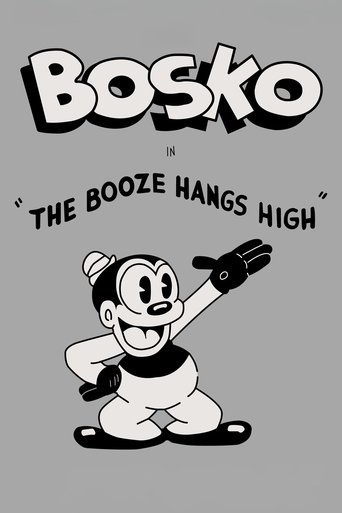
Titles linked here include Bosko, the Talk-Ink Kid (1929), The Booze Hangs High (1930).
When was Carman Maxwell born and when did he die?
Born December 27, 1902; died August 22, 1987.
What awards did Carman Maxwell win?
While Carman Maxwell did not receive major formal awards during his lifetime, he is recognized in animation history as a pioneer who contributed significantly to early sound animation techniques and character development. His work is frequently cited in animation history books and documentaries.
What was Carman Maxwell's animation style?
Maxwell's animation style reflected the rubber-hose techniques popular in the late 1920s and early 1930s, featuring exaggerated movements and expressive character designs. His work helped establish the visual language of early American animation and was particularly adept at synchronizing character movement with sound, a crucial innovation of the era.