Bernard B. Brown
Actor
Born: June 24, 1898 in United States Died: November 20, 1981 Active: 1929-1950 Birth Name: Bernard Brown
Films
4 films


About Bernard B. Brown
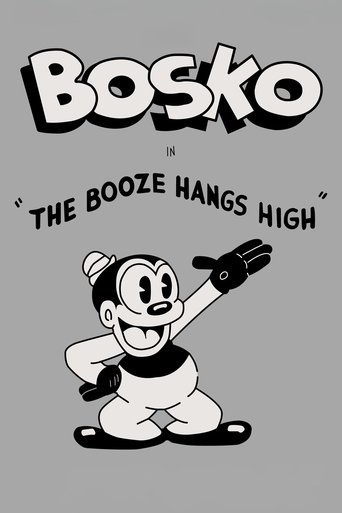
Sound engineer and director who in the development of early sound animation at Warner Bros. During the transition from silent films to talkies. Born in 1898, Brown joined Warner Bros. Cartoons in the late 1920s and became instrumental in creating the distinctive audio landscape for the studio's Merrie Melodies and Looney Tunes series. His technical expertise in sound recording and synchronization helped establish Warner Bros. As a leader in animated sound films during the early 1930s. Beyond his technical work, Brown occasionally contributed voice performances to cartoons, including his credited role in 'The Booze Hangs High' (1930). Throughout his career, he worked on hundreds of cartoon shorts, helping to shape the audio identity of characters that would become cultural icons. Brown's innovations in cartoon sound effects and music synchronization influenced the entire animation industry during its formative years. He continued working in animation sound engineering through the 1940s before transitioning to other technical roles in the film industry.
The Craft
On Screen
Primarily a technical professional rather than a trained actor, Brown's voice contributions were typically functional and served the needs of the cartoon's audio requirements rather than character development
Milestones
- sound engineer for Warner Bros. Cartoons
- Worked on early Merrie Melodies and Looney Tunes series
- Contributed to the development of synchronized sound in animation
- Voice work in early Warner cartoons
- Directed numerous cartoon shorts in the 1930s and 1940s
Best Known For
Iconic Roles
Must-See Films
Accolades
Special Recognition
- Pioneer in animation sound technology
- Contributor to Golden Age of Warner Bros. Animation
Working Relationships
Worked Often With
Studios
Why They Matter
Impact on Culture
Bernard B. Brown's work as a sound engineer fundamentally shaped the audio landscape of American animation during its most formative period. His technical innovations in sound synchronization and effects creation helped establish Warner Bros. Cartoons as a major force in the animation industry. The distinctive sound effects and audio techniques he helped develop became hallmarks of the Looney Tunes and Merrie Melodies style that would entertain generations of viewers worldwide.
Lasting Legacy
Brown's contributions to animation sound engineering laid groundwork for future audio innovations in both animation and live-action film. His work during the early sound era demonstrated how audio could enhance visual storytelling in cartoons, influencing how animation would be produced for decades to come. While not a household name like the animators or voice actors, Brown's technical expertise was essential to creating the memorable cartoon shorts that defined American popular culture in the 1930s and 1940s.
Who They Inspired
Brown's work in cartoon sound influenced generations of sound engineers and audio technicians in the animation industry. His techniques for synchronizing sound effects with animated action became standard practice in the industry. The audio innovations he helped develop at Warner Bros. Would be adopted and adapted by other animation studios, contributing to the overall evolution of cartoon production techniques.
Off Screen
Bernard Brown maintained a relatively private personal life outside of his technical contributions to animation. He was part of the generation of film technicians who helped revolutionize the industry during the transition to sound. His active years covered the most transformative decades in animation history, from the experimental early sound cartoons to the establishment of the Golden Age of American animation.
Did You Know?
- Was one of the first sound engineers specifically hired for cartoon production at Warner Bros.
- Worked on over 200 cartoon shorts during his tenure at Warner Bros.
- Contributed to the development of the distinctive 'Warner Bros. Cartoon sound' that became instantly recognizable
- His work spanned the entire early sound era of Warner animation, from experimental shorts to established series
- Part of the technical team that helped make Bosko the first synchronized sound cartoon star
- occasionally provided voice work when additional voices were needed for cartoon productions
- His sound engineering work predated the establishment of many standard animation audio practices
- Worked during the transition period when cartoons were evolving from musical novelty shorts to narrative-driven entertainment
Frequently Asked Questions
Who was Bernard B. Brown?
Sound engineer and animation on YTB.my. Cartoons during the early sound era. He was instrumental in developing the audio techniques that made early Looney Tunes and Merrie Melodies cartoons successful, and occasionally contributed voice work to productions like 'The Booze Hangs High' (1930).
What films is Bernard B. Brown best known for?
Titles linked here include The Booze Hangs High (1930), Lady, Play Your Mandolin! (1931).
When was Bernard B. Brown born and when did he die?
Born June 24, 1898; died November 20, 1981.
What awards did Bernard B. Brown win?
While Bernard B. Brown did not receive major individual awards during his career, he is recognized as a pioneer in animation sound technology whose technical innovations helped establish Warner Bros. Cartoons as an industry leader.
What was Bernard B. Brown's contribution to animation?
Brown's primary contribution was as a sound engineer who helped develop the techniques for synchronizing audio with animation during the early sound era. His work established many of the audio practices that would become standard in cartoon production and helped create the distinctive sound identity of Warner Bros. Animation.