You Don't Know What You're Doin'!
"Piggy picks up his girlfriend and takes her to a theater where a"
Keys: Space play/pause · ←/→ 10s · F fullscreen · M mute · </> speed
About this film
Piggy picks up his girlfriend and takes her to a theater where a hot jazz orchestra is playing.
Cast & crew
More films like this
More Animation films
View all →


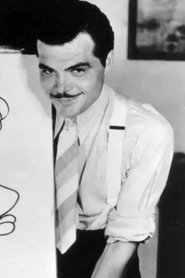
More from Rudolf Ising
View all →
More about this film
About the production
Release dateOctober 21, 1931
ProductionHarman-Ising Productions, Warner Bros. Pictures
Filmed inHollywood, California
This was one of the early Merrie Melodies cartoons produced by Hugh Harman and Rudolf Ising before they left Warner Bros. The film was created during the transition period from silent to sound animation, showcasing the studio's commitment to musical content. The animation team experimented with synchronizing character movements to jazz rhythms, which was technically challenging for the time. The character Piggy was one of the studio's early recurring characters, though he would eventually be phased out in favor of more popular characters like Porky Pig.
Themes
Jazz music and danceRomance and datingTheatrical entertainmentCultural rebellionMusical celebration
Themes & topics
Historical background
By 1931, sound cinema, wartime mobilization, and changing censorship norms were reshaping what audiences expected from narrative features.
Why this film matters
You Don't Know What You're Doin'! remains part of the screen heritage of its era, offering evidence of prevailing genres, production methods, and audience tastes. Later revivals, archive screenings, and digitization have kept such titles accessible to researchers and dedicated viewers long after their first commercial runs.
Making of
The production of 'You Don't Know What You're Doin'!' took place during a pivotal moment in animation history when sound had recently been introduced to cartoons. Rudolf Ising and his partner Hugh Harman were working under contract with Warner Bros., creating both Looney Tunes and Merrie Melodies series. The Merrie Melodies were specifically designed to showcase popular music of the day, with each cartoon built around a hit song. The animation team worked closely with musicians to ensure the visual elements perfectly synchronized with the jazz score. The character of Piggy was designed to be more relatable and human-like than typical animal characters of the era, reflecting the studio's attempt to create recurring stars. The production faced challenges in creating fluid dance animations that matched the complex jazz rhythms, requiring animators to study real dance performances and use innovative timing techniques.
What critics said
Reception records for You Don't Know What You're Doin'! are uneven; interest today is concentrated among archivists, historians, and viewers of older cinema. Modern assessment tends to emphasize historical value, craft, and cultural context rather than box-office performance.
Did you know?
- This was one of the earliest Merrie Melodies cartoons to feature the character Piggy, who appeared in several shorts during 1931
- The film's title comes from the popular song of the same name that features prominently in the cartoon
- Rudolf Ising not only directed but also provided voice work for the cartoon
- The jazz orchestra in the film was animated to reflect the real swing bands that were popular in Harlem during the early 1930s
- This cartoon was released during the height of the Jazz Age, capturing the cultural phenomenon in animated form
- The animation style shows the influence of Disney's Silly Symphonies series, which Warner Bros. was competing against
- The film features early examples of rotoscoping techniques for the dance sequences
- This was one of the last cartoons to feature the character Piggy before he was discontinued
- The theater setting allowed animators to experiment with crowd scenes and multiple character animations simultaneously
- The cartoon's success helped establish the Merrie Melodies series as Warner Bros.' answer to Disney's musical cartoons
Visual style
The animation employs the black and white two-strip Technicolor process that was common for early Merrie Melodies. The visual style features fluid character movements with exaggerated expressions that match the energetic jazz music. The animators used innovative techniques to synchronize character dances with the musical rhythms, creating a seamless integration of sound and image. The theater setting allowed for dynamic camera angles and perspectives, including shots that move through the audience and focus on different characters. The animation style shows the transition from the more rubbery movements of early cartoons to the more refined techniques that would develop later in the decade.
Innovations
The cartoon showcased advanced sound synchronization techniques for its time, with character movements precisely timed to musical beats. The animation team developed new methods for creating fluid dance animations that matched complex jazz rhythms. The film demonstrated early use of multi-plane camera effects to create depth in the theater scenes. The production incorporated innovative sound mixing techniques to balance dialogue, music, and sound effects. The cartoon also featured experimental color processes that were cutting-edge for early 1930s animation.
Music
The soundtrack prominently features the title song 'You Don't Know What You're Doin'' which was a popular jazz recording of the time. The music was performed by a studio orchestra arranged to sound like a authentic jazz band of the era. The score includes several other jazz standards popular in 1931, all synchronized with the on-screen action. The sound effects were innovative for their time, using musical elements to enhance the comedy and action. The cartoon represents early examples of using popular recordings as the foundation for animated musical shorts, a practice that would become standard for the Merrie Melodies series.
Famous quotes
You don't know what you're doin'!" - The recurring musical refrain that drives the cartoon's action
Memorable scenes
- The entire theater erupting into a massive synchronized dance number as the jazz orchestra reaches its climax, with even the seats and musical instruments joining in the rhythmic celebration
What audiences thought
The cartoon was well-received by audiences of 1931, who enjoyed its upbeat music and lively animation. Theater audiences responded particularly well to the jazz sequences and the cartoon's energetic pace. The film's focus on popular music made it accessible and entertaining to a broad audience during a time when movie-going was a primary form of entertainment. Modern audiences viewing the cartoon appreciate it as a historical artifact that captures the spirit of the Jazz Age and the early days of sound animation.
Film connections
Influenced by
- Disney's Silly Symphonies series
- Fleischer Studios' Talkartoons
- Jazz Age culture
- Vaudeville performance traditions
This film influenced
- Later Merrie Melodies cartoons
- Warner Bros' musical shorts
- Early Looney Tunes musical episodes
Film restoration
The film has been preserved and is part of the Warner Bros. animation archive. It has been digitally restored for various home media releases and is available through Warner's classic animation collection.
Where to watch
- Warner Bros. DVD collections
- Classic animation streaming services
- Public domain archives
- Film preservation websites