
Ko-Ko's Haunted House
"A friend of KoKo's animator draws a haunted house, and KoKo and his dog Fitz go inside."
Keys: Space play/pause · ←/→ 10s · F fullscreen · M mute · </> speed
About this film
There, they encounter frightening hallways where every door leads to a new spook. A friend of KoKo's animator draws a haunted house, and KoKo and his dog Fitz go inside.
Cast & crew
More films like this
More Horror films
View all →

More from Dave Fleischer
View all →

More about this film
About the production
Release dateOctober 1928
ProductionFleischer Studios, Paramount Pictures
Filmed inNew York, New York
This film was created during the transitional period when animation studios were experimenting with sound synchronization. The Fleischer brothers used their patented Rotoscope process for some scenes, allowing for more realistic movement of the human animator character. The haunted house sequences were particularly innovative for their time, featuring complex perspective shots and multi-layered animation that created a sense of depth previously unseen in animated shorts. Production took approximately 6-8 weeks, which was standard for a theatrical animated short of this era.
Themes
Metafiction and breaking the fourth wallThe relationship between creator and creationConfronting fears through comedyThe supernatural as entertainmentThe boundaries between reality and imagination
Themes & topics
Historical background
Made in 1928, in United States, under Dave Fleischer, Ko-Ko's Haunted House belongs to silent filmmaking amid the silent era's rapid stylistic experiments.
Why this film matters
Within silent history, Dave Fleischer's name attaches to the work; surviving prints help researchers study silent-era craft; 1928 short film by Dave Fleischer.
Making of
The production of 'Ko-Ko's Haunted House' took place during a critical period in animation history when studios were racing to incorporate synchronized sound into their films. Dave Fleischer directed the animation sequences while his brother Max handled the live-action portions and overall production. The film utilized the Fleischer Studios' innovative combination of live-action and animation, with Max Fleischer literally drawing Ko-Ko into existence on screen. The haunted house sequences required particularly complex animation techniques, with multiple layers of cels needed to create the illusion of depth and movement. The sound design was groundbreaking for its time, with the studio experimenting with various methods to create eerie atmospheric effects that would enhance the supernatural elements of the story. The animation team worked in cramped conditions in their New York studio, often putting in 12-hour days to meet the demanding production schedules of theatrical releases.
What critics said
Contemporary reviews of Ko-Ko's Haunted House are sparse in open sources; later catalog entries chiefly summarize plot and credits.
Did you know?
- This was one of the last Ko-Ko the Clown shorts produced before the character was gradually phased out in favor of newer Fleischer creations like Betty Boop and Popeye
- The film features one of the earliest examples of a self-referential animated character interacting with his creator, a concept that would become more common in later animation
- Max Fleischer himself appears as the animator in the live-action sequences, making this one of the rare films where he's credited as both actor and producer
- The haunted house design was inspired by German Expressionist films of the 1920s, particularly 'The Cabinet of Dr. Caligari'
- The character Fitz the Dog was a recurring companion to Ko-Ko but would disappear along with the clown character in the early 1930s
- This short was released just months before the debut of Mickey Mouse in 'Steamboat Willie', marking a pivotal moment in animation history
- The film's sound effects were created using innovative techniques for the time, including recording actual household objects being manipulated to create supernatural sounds
- Ko-Ko's Haunted House was part of the 'Talkartoons' series that helped Fleischer Studios transition from silent to sound animation
- The animation cels for this film were hand-painted on celluloid sheets, a labor-intensive process that required dozens of artists working simultaneously
- Some sequences in the film use the 'follow the bouncing ball' technique that Fleischer Studios pioneered for sing-along cartoons
Visual style
The cinematography of 'Ko-Ko's Haunted House' combines traditional live-action photography with innovative animation techniques. The live-action sequences featuring Max Fleischer were shot using standard 35mm film cameras of the era, while the animated portions utilized the Fleischer Studios' patented methods for combining real and animated elements. The film employs sophisticated perspective techniques in the haunted house sequences, creating a sense of depth that was remarkable for its time. The animation team used multiple layers of cels to achieve complex visual effects, particularly in scenes featuring ghosts and supernatural phenomena. The contrast between the realistic live-action footage and the stylized animation creates a distinctive visual texture that characterizes the Out of the Inkwell series. The film's visual style shows the influence of German Expressionist cinema, particularly in the angular architecture of the haunted house and the dramatic use of light and shadow.
Innovations
The film showcases several significant technical achievements for its era. The seamless integration of live-action and animation was accomplished using the Fleischer Studios' patented Rotoscope and combination methods, allowing Max Fleischer to interact directly with the animated Ko-Ko character. The perspective animation in the haunted house sequences represented a major advancement in creating depth in two-dimensional animation. The film's sound synchronization was particularly impressive for 1928, with carefully timed effects that enhanced the supernatural atmosphere. The animation team developed new techniques for creating ghostly and ethereal effects, using multiple exposures and careful cel layering. The film also demonstrated advanced character animation techniques, with Ko-Ko and Fitz showing more fluid and expressive movement than in earlier Fleischer shorts. These technical innovations helped establish Fleischer Studios as a major competitor to Disney in the early days of sound animation.
Music
As an early sound cartoon, 'Ko-Ko's Haunted House' featured a synchronized musical score and sound effects that were cutting-edge for 1928. The music was likely performed by a small orchestra using standard theater pit instrumentation of the period, with emphasis on instruments that could create eerie atmospheres. The sound effects were particularly innovative, with the studio experimenting with various techniques to produce supernatural sounds that would match the visual action. The film would have used the sound-on-disc technology common in early talkies, with the audio recorded separately from the film and synchronized during projection. While specific composer credits are not available for this short, the musical style would have been typical of late 1920s animation, featuring jaunty tunes for comedic moments and dissonant, minor-key passages for the scary sequences. The soundtrack represents an important step in the evolution of sound design for animated films.
Famous quotes
Come on in, Ko-Ko, if you dare!" - Max Fleischer
Every door leads to a new surprise!" - Intertitle
This house is haunted by more than just ghosts!" - Intertitle
Memorable scenes
- The opening sequence where Max Fleischer draws the haunted house and it immediately springs to life with supernatural energy
- The corridor scene where Ko-Ko and Fitz encounter endless doors, each revealing increasingly bizarre supernatural occurrences
- The climactic chase sequence where animated ghosts pursue Ko-Ko through a series of impossible architectural spaces
- The final escape where Ko-Ko literally jumps back into the inkwell, leaving the haunted world behind
What audiences thought
Theatrical audiences in 1928 responded positively to the film's spooky atmosphere and humorous elements. The combination of horror and comedy proved particularly appealing to moviegoers of the era, who were increasingly sophisticated in their appreciation of animated entertainment. Children enjoyed the cartoon antics while adults appreciated the technical innovations and clever meta-references to the animation process. The film's short runtime made it ideal as part of theater programs that typically included multiple shorts before the main feature. Audience feedback collected by theater owners indicated that the film was well-received across different age groups, with many viewers commenting on the impressive sound effects and the novel concept of an animated character exploring a haunted house. The film's success helped reinforce the popularity of horror-themed animation, leading to similar productions from other studios in the following years.
Film connections
Influenced by
- German Expressionist cinema
- The Cabinet of Dr. Caligari
- Nosferatu
- Earlier Out of the Inkwell shorts
- Contemporary horror films of the 1920s
This film influenced
- Later Fleischer Studios horror-themed cartoons
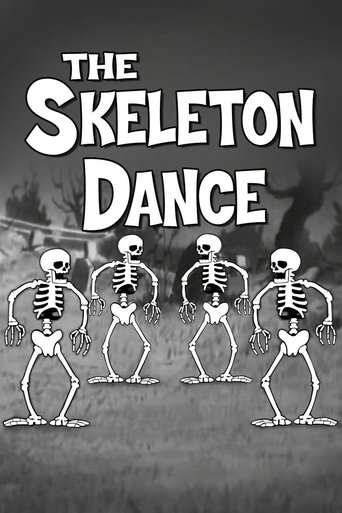
- Disney's 'The Skeleton Dance'
- Warner Bros.' horror-themed Looney Tunes
- Modern metafictional animated works
Film restoration
The film exists in various archives and has been preserved by several institutions including the Library of Congress and the UCLA Film & Television Archive. Some versions show varying degrees of deterioration due to the age of the nitrate film stock. The film has been digitally restored for inclusion in various Fleischer Studios compilation releases. While not considered lost, some original elements may be incomplete or damaged.
Where to watch
- Available on various Fleischer Studios compilation DVD collections
- Streaming on some classic animation archive websites
- Occasionally screened at film festivals and animation retrospectives
- Available through some public domain animation collections
- Included in the 'Out of the Inkwell' complete series releases