
Dave Fleischer
Actor & Director
Born: July 14, 1894 in New York City, New York, USA Died: June 25, 1979 Active: 1918-1958 Birth Name: David Fleischer
Films
79 films
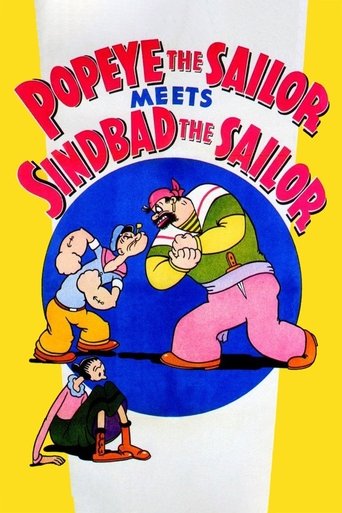
Popeye the Sailor Meets Sindbad the Sailor
1936
My Old Kentucky Home
1926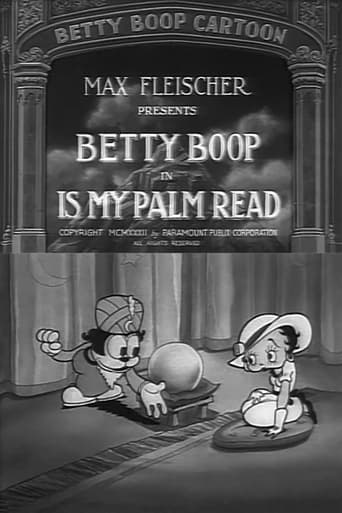
Is My Palm Read
1933
Stop That Noise
1935
Swat the Fly
1935
Taking the Blame
1935
Making Stars
1935
A Language All My Own
1935
A Little Soap and Water
1935
The Einstein Theory of Relativity
1923
No! No! A Thousand Times No!!
1935
Aladdin and His Wonderful Lamp
1939
Popeye the Sailor Meets Ali Baba's Forty Thieves
1937
Betty Boop's Crazy Inventions
1933
Betty Boop's Ker-Choo
1933
Betty Boop's Rise to Fame
1934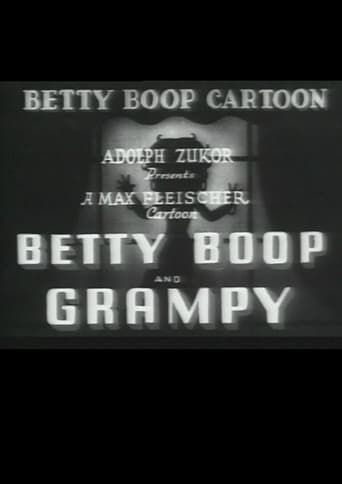
Betty Boop and Grampy
1935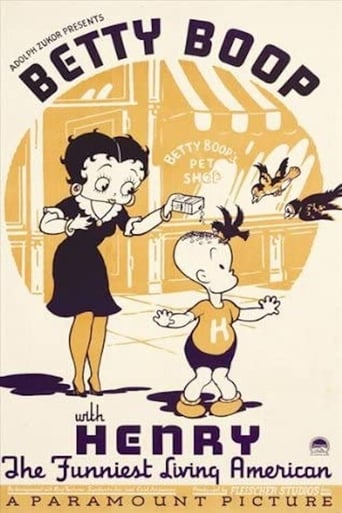
Betty Boop with Henry the Funniest Living American
1935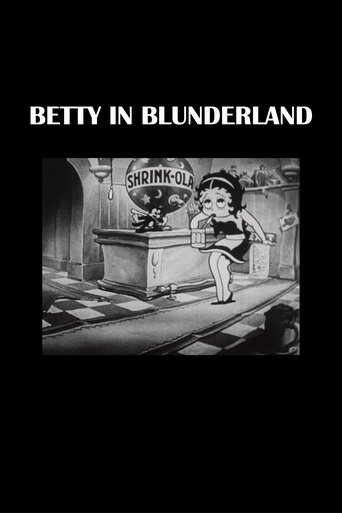
Betty in Blunderland
1934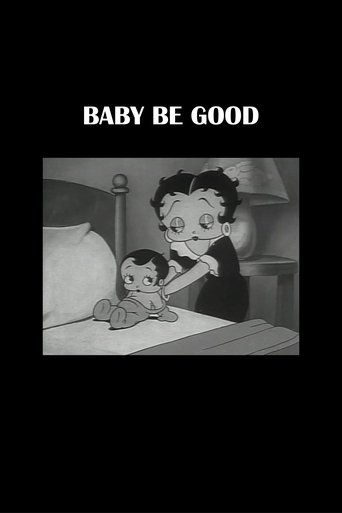
Baby Be Good
1935
Judge for a Day
1935
Minnie the Moocher
1932
Invisible Ink
1921
Greedy Humpty Dumpty
1936
Way Back When a Nag Was Only a Horse
1940No Poster
Way Back When Women Had Their Weigh
1940
KoKo's Earth Control
1928
Ko-Ko's Kink
1928No Poster
Ko-Ko's Germ Jam
1928
Ko-Ko's Magic
1928
Ko-Ko's Courtship
1928
Ko-Ko Smokes
1928
Ko-Ko's Haunted House
1928
Ko-Ko's Tattoo
1928No Poster
Koko's Field Daze
1928
Ko-Ko's War Dogs
1928
KoKo Lamps Aladdin
1928
Christmas Comes But Once a Year
1936
Ha! Ha! Ha!
1934
Let's Sing with Popeye
1934
Time on My Hands
1931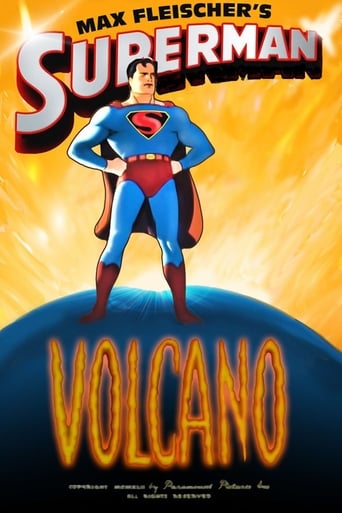
Volcano
1942
The Song of the Birds
1935
China Town, My China Town
1929
Kitty from Kansas City
1931
Dinah
1933
The Puzzle
1923
Noah's Lark
1929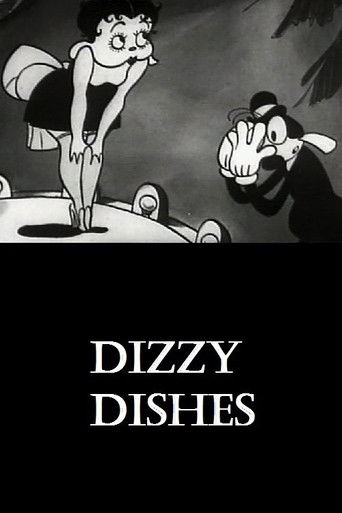
Dizzy Dishes
1930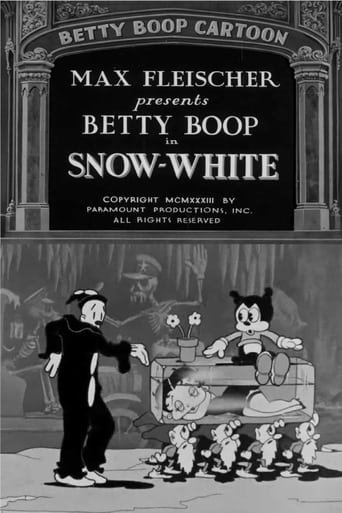
Snow-White
1933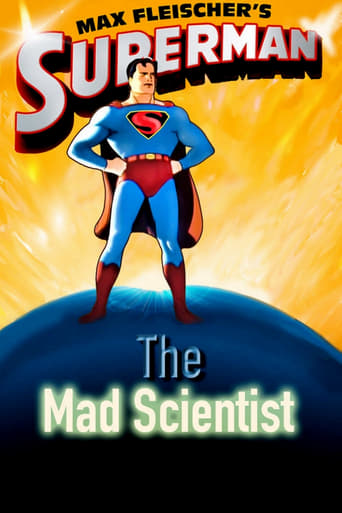
Superman
1941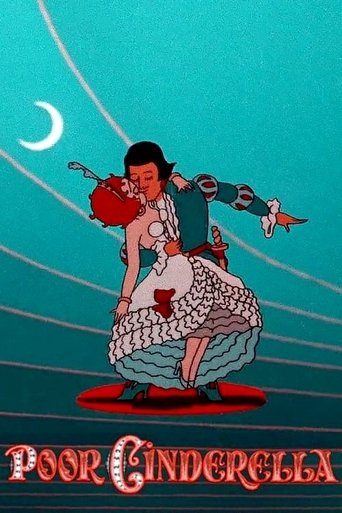
Poor Cinderella
1934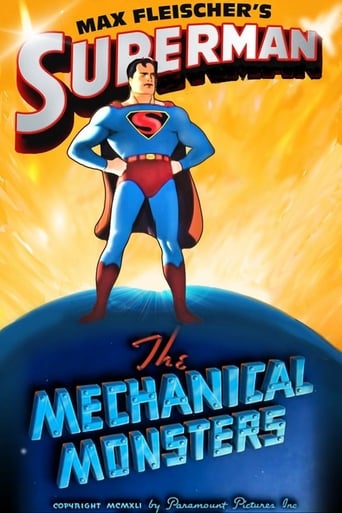
The Mechanical Monsters
1941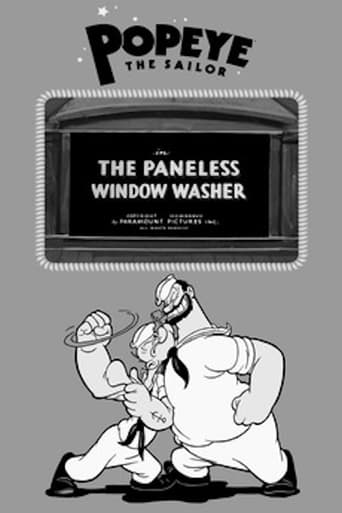
The Paneless Window Washer
1937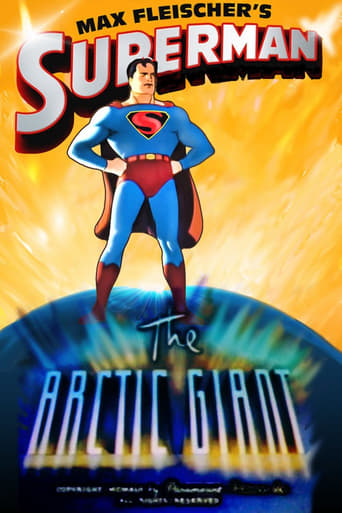
The Arctic Giant
1942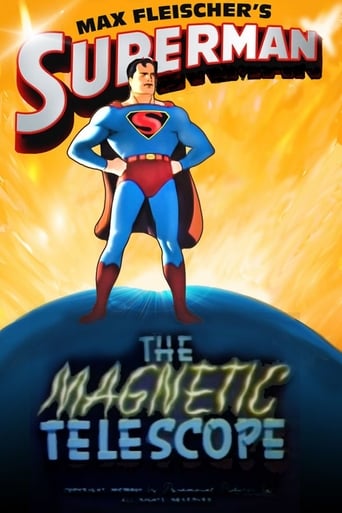
The Magnetic Telescope
1942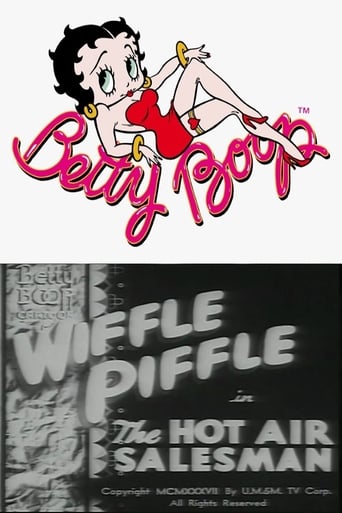
The Hot Air Salesman
1937
All's Well
1941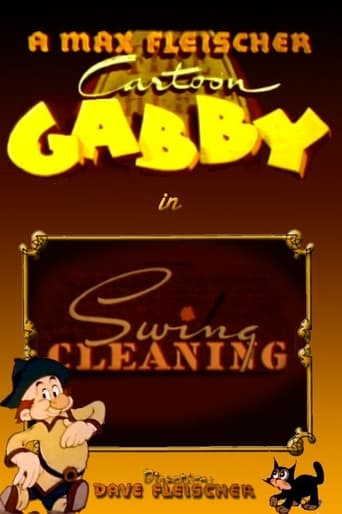
Swing Cleaning
1941
Fire Cheese
1941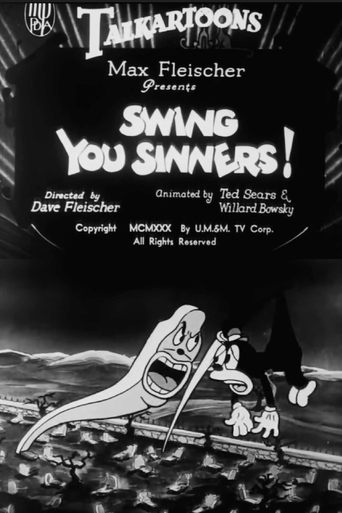
Swing You Sinners!
1930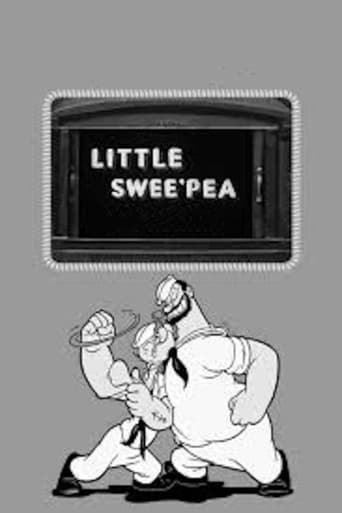
Little Swee'pea
1936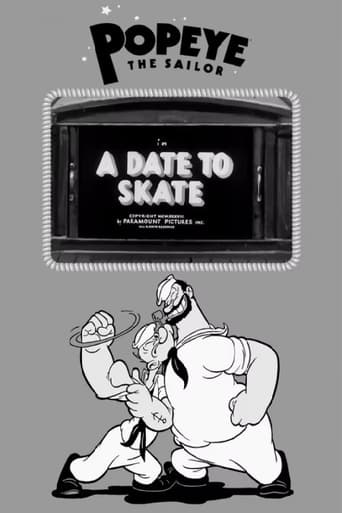
A Date to Skate
1938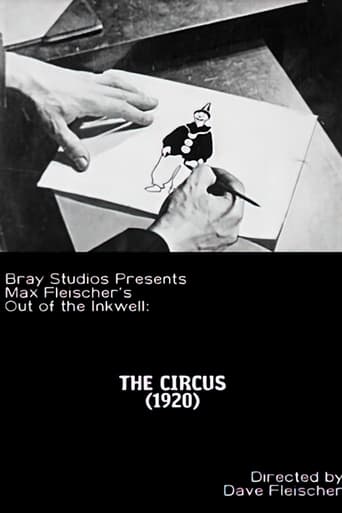
The Circus
1920
I Never Changes My Altitude
1937
The Chinaman
1920
The Ouija Board
1920
The Automobile Ride
1921
Bubbles
1922
Modeling
1923
Cartoon Factory
1924
Mother Gooseland
1924No Poster
Vaudeville
1924
The Storm
1925No Poster
Trapped
1923
Customers Wanted
1939
Fishing
1921
King for a Day
1940About Dave Fleischer
David 'Dave' Fleischer — American animation director and producer who, alongside his brother Max Fleischer, revolutionized the animation industry during the Golden Age of Hollywood. Born in 1894, Dave began his career in the early days of animation, working with his brother on techniques like the rotoscope, which allowed animators to trace live-action footage for more realistic movement. As the creative director of Fleischer Studios, Dave was responsible for directing many of the studio's most innovative and successful cartoons, including the Betty Boop series, Popeye theatrical shorts, and the Superman cartoons. His directing style was characterized by surreal imagery, adult humor, and technical innovations that pushed the boundaries of what animation could achieve. Despite the studio's tremendous success in the 1930s, financial difficulties and creative differences led to Fleischer Studios' downfall in the early 1940s, after which Dave continued to work in animation for other studios. His contributions to the medium were largely overlooked for decades but have since been recognized as fundamental to the development of American animation.
The Craft
Behind the Camera
Dave Fleischer's directing style was characterized by surreal, dreamlike imagery, sophisticated adult humor, and technical innovation. He frequently used urban settings, jazz music, and Art Deco aesthetics in his cartoons, creating a distinctive visual language that differed from the more rural, wholesome style of Disney. Fleisher was known for his experimental camera techniques, including the use of 3D backgrounds through the Stereoptical Process, and his willingness to tackle mature themes and social commentary in his animations. His direction often featured exaggerated physics, morphing objects, and psychedelic visual gags that influenced later animators.
Milestones
- Co-founded Fleischer Studios with brother Max in 1921
- Directed the first Betty Boop cartoon 'Dizzy Dishes' in 1930
- Pioneered the 'Stereoptical Process' 3D animation technique
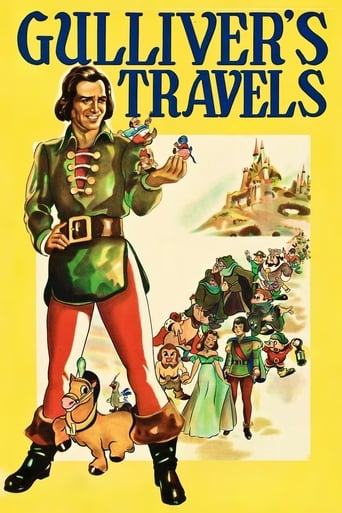
- Produced the first feature-length American animated film 'Gulliver's Travels' (1939)
- Created the iconic Superman cartoon series (1941-1942)
- Developed and directed the Popeye theatrical cartoon series
Best Known For
Must-See Films
Accolades
Won
- Academy Award for Best Short Subject (Cartoon) nomination for 'Popeye the Sailor Meets Sindbad the Sailor' (1936)
- Academy Award nomination for 'Popeye the Sailor Meets Ali Baba's Forty Thieves' (1937)
- Academy Award nomination for 'Hunky and Spunky' (1938)
- Winsor McCay Award (1972, posthumous recognition)
Nominated
- Academy Award nomination for 'Educated Fish' (1937)
- Academy Award nomination for 'Superman' (1941)
- Academy Award nomination for 'Play Safe' (1936)
Special Recognition
- Inducted into the International Animated Film Association Hall of Fame
- Hollywood Walk of Fame star (shared with Max Fleischer)
- Winsor McCay Award for lifetime achievement in animation
Working Relationships
Worked Often With
Studios
Why They Matter
Impact on Culture
Dave Fleischer's impact on animation and popular culture cannot be overstated. Through his work at Fleischer Studios, he helped create some of the most iconic characters in animation history, including Betty Boop and Popeye, who remain cultural touchstones nearly a century later. His innovative techniques, particularly the Stereoptical Process that created 3D backgrounds, pushed the technical boundaries of animation and influenced generations of animators. The adult humor, jazz aesthetics, and urban sophistication of his cartoons provided a stark contrast to the more family-friendly fare of competitors like Disney, expanding the creative possibilities of animation as an art form. The Superman cartoons he directed are still considered masterpieces of animation, influencing countless superhero adaptations in subsequent decades.
Lasting Legacy
Dave Fleischer's legacy lives on through the enduring popularity of the characters he helped create and the animation techniques he pioneered. While often overshadowed by his brother Max in historical accounts, modern animation historians recognize Dave as the creative visionary behind Fleischer Studios' most innovative work. The surreal, experimental quality of his cartoons influenced later animation movements, including underground comix and alternative animation of the 1960s and 1970s. His work has been preserved and celebrated by animation enthusiasts and scholars, with major retrospectives at museums and film festivals. The Fleischer style continues to inspire contemporary animators who appreciate its artistic ambition and willingness to push boundaries.
Who They Inspired
Dave Fleischer's influence extends far beyond his own era, impacting animators from Walt Disney (who adopted some of his techniques) to modern creators like John Kricfalusi and Ralph Bakshi who embraced the surreal, adult-oriented approach to animation. His work with rotoscoping influenced live-action/animation hybrid techniques used in films like 'Who Framed Roger Rabbit.' The urban, jazz-inflected aesthetic of his cartoons can be seen in modern animation from 'The Simpsons' to 'Adventure Time.' His technical innovations, particularly in creating depth and dimension in animation, paved the way for computer-generated 3D animation. Many animation schools study his work as examples of creative risk-taking and artistic innovation in the medium.
Off Screen
Dave Fleischer was the younger brother of animation pioneer Max Fleischer and worked closely with him throughout his career. He married Shelly Kaufman in 1931, and they had two children together. Unlike his more business-oriented brother, Dave was known as the creative force behind Fleischer Studios, often described as eccentric and artistically driven. After the closure of Fleischer Studios, Dave struggled professionally and personally, though he continued to work in animation for various studios including Famous Studios and Universal. His later years were marked by relative obscurity before a revival of interest in classic animation brought renewed appreciation for his contributions to the medium.
Education
Self-taught in animation; attended public schools in New York City
Family
- Shelly Kaufman (1931-1979, his death)
Did You Know?
- Was the actual voice of Ko-Ko the Clown in early 'Out of the Inkwell' cartoons
- Created the first animated feature film produced by an independent studio
- The Superman cartoons he directed were among the most expensive animated shorts of their time
- His son Richard Fleischer became a successful live-action director, directing films like '20,000 Leagues Under the Sea'
- Fleischer Studios was originally called 'Out of the Inkwell Films' after their first successful series
- He was known for his ability to improvise gags and stories during recording sessions
- The Betty Boop character was originally designed as a dog before being transformed into a human flapper
- He often used real locations in New York City as inspiration for cartoon backgrounds
- The studio's Miami relocation in 1938 was partly due to Dave's desire to escape union problems in New York
- Despite his creative success, Dave was reportedly poor at managing money and business affairs
In Their Own Words
Animation can explain whatever the mind of man can conceive. This facility makes it the most versatile and explicit means of communication yet devised for quick mass appreciation.
We didn't make cartoons for kids. We made them for adults who could appreciate sophisticated humor and artistic innovation.
The secret to good animation is not just making things move, but making them move with purpose and personality.
Every frame should be a work of art, whether it's a close-up or a wide shot.
We wanted to do things that Disney couldn't or wouldn't do - that was our whole philosophy.
Frequently Asked Questions
Who was Dave Fleischer?
American animation on YTB.my. He was the creative force behind iconic characters like Betty Boop and Popeye, and directed the groundbreaking Superman cartoons of the 1940s.
What films is Dave Fleischer best known for?
Titles linked here include Popeye the Sailor series (1933-1942), Betty Boop series (1930-1939).
When was Dave Fleischer born and when did he die?
Born July 14, 1894; died June 25, 1979.
What awards did Dave Fleischer win?
Dave Fleischer received multiple Academy Award nominations for his cartoons, including for 'Popeye the Sailor Meets Sindbad the Sailor' and the Superman cartoon 'Superman.' He was posthumously honored with the Winsor McCay Award for lifetime achievement in animation in 1972.
What was Dave Fleischer's directing style?
Dave Fleischer's directing style was characterized by surreal imagery, adult humor, jazz aesthetics, and technical innovation. He pioneered techniques like the Stereoptical Process for 3D backgrounds and was known for his urban settings, sophisticated gags, and willingness to push creative boundaries in animation.