

Kitty from Kansas City
"Betty Boop rides to Rudy Valley"
Keys: Space play/pause · ←/→ 10s · F fullscreen · M mute · </> speed
About this film
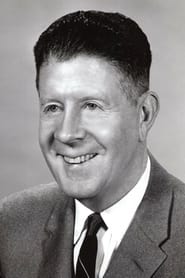
Sun bonneted Betty Boop takes a train to "Rudy Valley" where she gains weight and Rudy Vallee performs the title song with Bouncing Ball.
Cast & crew
More films like this
More Animation films
View all →


More from Dave Fleischer
View all →
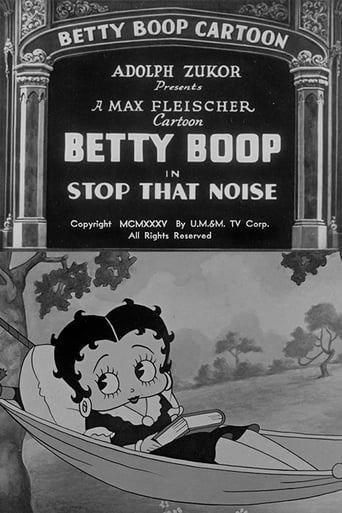

More about this film
About the production
Release dateOctober 17, 1931
ProductionFleischer Studios, Paramount Pictures
Filmed inNew York, New York (Fleischer Studios)
This film was part of Fleischer Studios' innovative 'Screen Songs' series, which combined popular music with animation. The production featured a groundbreaking technique combining live-action footage of Rudy Vallee with animated characters. The 'Bouncing Ball' invention was created by Max Fleischer and patented in 1925, becoming a signature element of these musical shorts. The animation was done using the rotoscope technique for realistic movement of the human characters.
Themes
Celebrity cultureTransformation and reinventionThe American Dream of successThe allure of HollywoodMusic as a unifying force
Themes & topics
Historical background
Programmers in 1931 slotted Kitty from Kansas City from Fleischer Studios beside newsreels, cartoons, and serial chapters.
Why this film matters
Repertory houses screen Kitty from Kansas City to show how 1931 filmmakers staged sun bonneted betty boop takes a train to "rudy valley" where she gains weight and rudy val.
Making of
The production of 'Kitty from Kansas City' showcased the Fleischer Studios' pioneering approach to animation technology. The studio, founded by brothers Max and Dave Fleischer, was known for its technical innovations including the rotoscope (which allowed animators to trace over live-action footage) and the stereoptical process (which created 3D backgrounds). For this film, Rudy Vallee was filmed performing the song, and this footage was then incorporated into the animated sequence. The Bouncing Ball was synchronized to the music using a metronome and careful timing charts. The animation team worked in the Fleischer Studios' facility at 1600 Broadway in New York City, creating the distinctive style that would become synonymous with early Betty Boop cartoons. The film's production coincided with Betty Boop's transition from a dog-like character to a human flapper, making this an important transitional work in her evolution.
What critics said
Repertory notes on Kitty from Kansas City highlight survival of the print more than 1931 box-office records.
Did you know?
- This was one of the earliest Screen Songs to feature a major celebrity like Rudy Vallee, helping establish the series' popularity
- The film represents one of Betty Boop's earliest appearances, though she appears in a more conservative sun bonnet rather than her later iconic flapper style
- Rudy Vallee was one of the first true pop stars and his appearance in this cartoon was part of his massive multimedia exposure in the early 1930s
- The Bouncing Ball technique was so successful that it became a staple of sing-along entertainment for decades, even appearing in modern theaters and video games
- This short was released during the height of the Great Depression, when escapist entertainment like musical cartoons were especially popular
- The film's title song was a real hit record for Rudy Vallee, helping drive audiences to theaters to see the cartoon
- Fleischer Studios was based in New York, unlike most other animation studios which were located in Hollywood
- The combination of live-action and animation was considered highly innovative for its time
- This was part of a series of over 60 Screen Songs produced by Fleischer Studios between 1929 and 1938
- The cartoon's portrayal of Hollywood as 'Rudy Valley' was a playful reference to Vallee's immense popularity
Visual style
The visual style of 'Kitty from Kansas City' showcases the distinctive Fleischer Studios aesthetic characterized by surreal backgrounds, rubbery animation, and bold black-and-white contrast. The film employs the innovative stereoptical process for some backgrounds, creating a sense of depth unusual for the period. The integration of live-action footage of Rudy Vallee was accomplished through careful matting and compositing techniques that were cutting-edge for 1931. The animation features the characteristic 'boop-oop-a-doop' style that would become synonymous with Betty Boop, with exaggerated movements and expressive facial animations. The cinematography also makes effective use of the Bouncing Ball as a visual focal point, ensuring audience attention remains synchronized with the musical performance.
Innovations
The film showcases several groundbreaking technical achievements for its time. The most notable is the Bouncing Ball synchronization system, patented by Max Fleischer, which used precise timing to coordinate the ball's movement with musical lyrics. The integration of live-action footage with animation required innovative matting and compositing techniques that were sophisticated for 1931. The film also utilized the rotoscope process for realistic character movement, where animators traced over live-action footage to achieve more natural motion. The stereoptical process, another Fleischer innovation, was used to create three-dimensional backgrounds using miniature sets filmed between layers of glass, giving the animation unprecedented depth. The sound synchronization represents an early achievement in matching visual elements with audio tracks, a crucial development in the transition from silent to sound cinema.
Music
The soundtrack centers on Rudy Vallee's performance of 'Kitty from Kansas City,' which was a popular song of the era. The recording features Vallee's distinctive crooning style that made him one of the first male pop stars. The music was synchronized with the animation using the sound-on-film process that had become standard by 1931. The Bouncing Ball technique was carefully timed to match the rhythm and lyrics of the song, creating a visual guide for audience participation. The score also includes incidental music typical of early sound cartoons, using jazz-influenced arrangements that reflected the popular musical styles of the period. The sound quality represents the technological advances of early 1930s recording, with clearer audio than earlier sound films.
Famous quotes
I'm just a simple girl from Kansas, but I'm going to make it big in Rudy Valley!
Follow the bouncing ball and sing along with Rudy Vallee!
Memorable scenes
- The opening sequence showing Betty Boop's train journey from Kansas to Hollywood, with the landscape changing from rural to urban
- The transformation scene where Betty Boop gains weight and changes her appearance to fit Hollywood standards
- Rudy Vallee's live-action performance seamlessly integrated with the animated world
- The bouncing ball sequence encouraging audience participation in the title song
What audiences thought
The film was well-received by 1931 audiences who were enthusiastic about musical entertainment and new technological innovations in cinema. Theater owners reported that the Screen Songs series, including 'Kitty from Kansas City,' were reliable crowd-pleasers that encouraged repeat business. The Bouncing Ball format was particularly popular as it created an interactive experience that made movie-going more engaging during a time when many people sought escape from the hardships of the Depression. Rudy Vallee's massive popularity as a radio star and recording artist helped drive audiences to theaters specifically to see this cartoon. The combination of familiar music, celebrity appearance, and the novelty of the animated format made it a successful component of theater programs during its run.
Film connections
Influenced by
- Mickey Mouse cartoons (Disney)
- Jazz Age culture
- Vaudeville performance traditions
- Radio musical programs
This film influenced
- Later Screen Songs series entries
- Who Framed Roger Rabbit (live-action/animation integration)
- Modern sing-along videos
- Music video format development
Film restoration
The film has been preserved through various archives and is available in the public domain. Several restoration efforts have been undertaken by animation preservationists, though the original nitrate film elements have likely deteriorated. The cartoon is included in various Betty Boop and Fleischer Studios collections, both physical and digital.
Where to watch
- Internet Archive (public domain)
- YouTube (various uploads)
- Betty Boop: The Essential Collection (DVD)
- Fleischer Studios: The Complete Screen Songs (DVD collection)
- Classic cartoon streaming services specializing in public domain content