
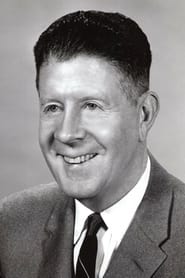
Rudy Vallee
Actor
Born: July 28, 1901 in Island Pond, Vermont, USA Died: July 3, 1986 Active: 1929-1984 Birth Name: Hubert Prior Vallée
Films
3 films
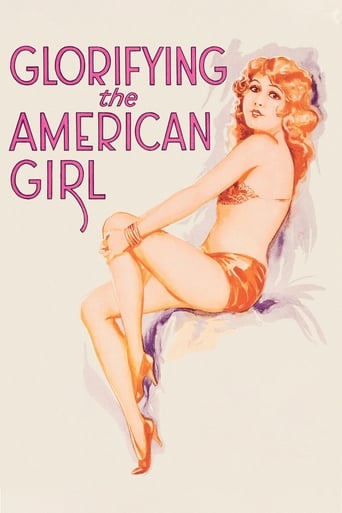
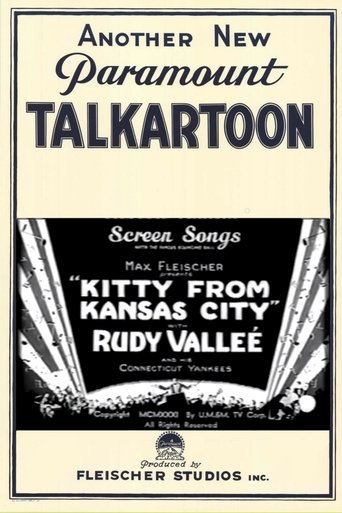
About Rudy Vallee
Hubert Prior Vallée, better known as Rudy Vallée, was an American entertainer who rose to prominence in the late 1920s as one of the first crooners and teen idols in popular music. His distinctive soft, intimate singing style was made possible by the new microphone technology, revolutionizing vocal performance and creating a template for future singers. Vallée's immense popularity as a singer and radio personality led to a successful film career spanning from 1929 through the 1940s, where he often portrayed sophisticated, romantic leads in musicals and comedies. Beyond his entertainment career, he was a Yale-educated intellectual who authored several books and maintained a lifelong interest in philosophy. Throughout his career, Vallée successfully adapted to changing entertainment mediums, from vaudeville to radio, film, and television, making him versatile and enduring performers of the 20th century. His influence on popular music and entertainment was profound, paving the way for future crooners and multimedia celebrities.
The Craft
On Screen
Rudy Vallée's acting style was characterized by his sophisticated, suave demeanor and romantic leading man persona. He often portrayed wealthy, educated characters with a refined manner, leveraging his real-life Yale background and intellectual image. His performances typically featured his distinctive high-pitched speaking voice and natural charm, making him particularly effective in romantic comedies and musical films. Vallée's acting was often understated and elegant, reflecting the polished image he cultivated throughout his entertainment career.
Milestones
- First major crooner to achieve nationwide fame
- Pioneered intimate microphone singing style
- Starred in early sound films including 'The Vagabond King' (1930)
- Hosted popular radio shows for decades
- Successfully transitioned from music to film to television
- Published several books on philosophy and entertainment
- Maintained performing career into his 80s
Best Known For
Iconic Roles
Must-See Films
Accolades
Won
- Hollywood Walk of Fame Star (1960)
- Yale University Honorary Doctorate
Special Recognition
- Star on Hollywood Walk of Fame for Radio
- Inducted into the Radio Hall of Fame
- Yale University Alumni Achievement Award
Working Relationships
Worked Often With
Studios
Why They Matter
Impact on Culture
Rudy Vallée revolutionized popular music by the intimate, microphone-based singing style that defined the crooner genre. His success demonstrated the power of radio to create national celebrities, essentially creating the template for the modern pop star. Vallée's sophisticated image and romantic persona helped establish the archetype of the suave leading man in early sound cinema. His ability to seamlessly transition between music, film, radio, and television set a precedent for multimedia entertainment careers that would become standard in later decades.
Lasting Legacy
Rudy Vallée's lasting legacy lies in his role as a bridge between the jazz age and modern popular entertainment. As the first major crooner, he influenced countless singers who followed, including Bing Crosby and Frank Sinatra. His career longevity, spanning over five decades and multiple entertainment mediums, demonstrated remarkable adaptability. Vallée's intellectual approach to entertainment, combined with his sophisticated image, helped elevate popular culture's respectability. His work in radio and early television contributed to the development of these media as platforms for entertainment.
Who They Inspired
Rudy Vallée's intimate singing style directly influenced the entire crooner movement, with Bing Crosby explicitly citing Vallée as an early influence. His sophisticated screen persona helped establish the template for the romantic leading man in Hollywood musicals and comedies. Vallée's success in multiple media platforms paved the way for future entertainers to build cross-platform careers. His intellectual approach to show business, including his writing and philosophical interests, demonstrated that entertainers could be both popular and culturally respected.
Off Screen
Rudy Vallée was married five times throughout his life, with his most notable marriage being to actress Fay Webb from 1931 to 1936. He had no children from any of his marriages. Despite his romantic leading man image on screen, Vallée was known for his intellectual pursuits and was an avid reader and writer. He maintained homes in both Hollywood and Connecticut, reflecting his dual identity as entertainer and intellectual. His final marriage to Eleanor Norris in 1966 lasted until his death in 1986, making it his longest and most stable relationship.
Education
Yale University, studied philosophy and graduated in 1927
Family
- Leonie Cauchois (1929-1931)
- Fay Webb (1931-1936)
- Barbara Hutton (1944-1945)
- Jane Greer (1947-1948)
- Eleanor Norris (1966-1986)
Did You Know?
- His trademark megaphone became an iconic prop in his performances
- He was one of the first entertainers to have a dedicated fan club
- His distinctive high-pitched speaking voice was often imitated by comedians
- He continued performing well into his 80s, maintaining his popularity
- His name was sometimes spelled 'Vallee' in film credits
- He was a licensed pilot and enjoyed flying his own plane
- He wrote several books including philosophy and autobiographical works
- He was one of the first entertainers to successfully transition from silent to sound films
- His Yale education was unusual for entertainers of his era
- He was known for his impeccable dress sense and always appeared in tuxedos for performances
In Their Own Words
I'm not a singer, I'm a stylist. I don't sing songs, I interpret them.
The microphone changed everything. It made intimacy possible in a public performance.
Success in show business is 10% talent and 90% persistence.
I've always believed that an entertainer should educate as well as amuse.
The secret to longevity in this business is simple: never stop learning and never stop adapting.
Frequently Asked Questions
Who was Rudy Vallée?
Rudy Vallée was an American entertainer who rose to fame in the late 1920s as one of the first crooners, later becoming a successful film actor and radio personality. He was known for his intimate singing style made possible by microphone technology and his sophisticated on-screen persona.
What films is Rudy Vallée best known for?
Titles linked here include The Vagabond King (1930), The Palm Beach Story (1942).
When was Rudy Vallée born and when did he die?
Born July 28, 1901; died July 3, 1986.
What awards did Rudy Vallée win?
Rudy Vallée received a star on the Hollywood Walk of Fame in 1960 for his contributions to radio, was inducted into the Radio Hall of Fame, and received an honorary doctorate from his alma mater, Yale University.
What was Rudy Vallée's acting style?
Vallée's acting style was characterized by sophisticated, suave performances as romantic leading men, often playing wealthy, educated characters with a refined manner that reflected his real-life Yale background and intellectual image.
How did Rudy Vallée influence popular music?
Rudy Vallée revolutionized popular music by the intimate, microphone-based crooning style that influenced countless singers including Bing Crosby and Frank Sinatra, essentially creating the template for the modern pop vocalist.
What was Rudy Vallée's educational background?
Rudy Vallée was highly educated for an entertainer of his era, graduating from Yale University in 1927 with a degree in philosophy, which was unusual for performers in the entertainment industry at that time.