



My Dear Secretary
"Secretary meets novelist, chaos ensues"
Keys: Space play/pause · ←/→ 10s · F fullscreen · M mute · </> speed
About this film
An eager young writer lands a secretary job with famous novelist Owen Waterbury, only to discover he is a vain, womanizing playboy rather than the disciplined artist she imagined.
Cast & crew
More films like this
More Drama films
View all →







More about this film
About the production
Release dateSeptember 3, 1948
BudgetNot publicly documented, typical of modest Hal Roach Studios productions of the era
Box officeModest commercial performance, exact figures not recorded in studio archives
ProductionHal Roach Studios, Liberty Films
Filmed inHal Roach Studios, Culver City, California, Various Los Angeles locations for exterior shots
The film was produced during a challenging transitional period for Hal Roach Studios, which was attempting to shift from successful short subjects to feature films. Production faced budget constraints typical of independent studios competing with major Hollywood productions. The filming schedule was compressed to minimize costs, requiring efficient shooting and limited retakes. Kirk Douglas was still relatively unknown at the time, and his casting represented a risk for the studio. The screenplay underwent several revisions to balance the comedic elements with the romantic storyline, with input from both director Charles Martin and star Kirk Douglas.
Themes
Workplace romance and professional ethicsGender roles in post-war AmericaThe tension between personal ambition and romantic relationshipsThe creative process and the writing professionThe contrast between public success and private behavior
Themes & topics
secretarywriterworkplace romanceromantic comedypost-war Americagender rolesprofessional ethicscreative processplayboyambitionpublishing industrybattle of the sexes
Historical background
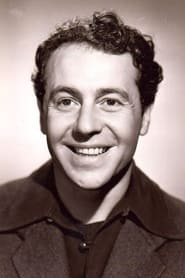
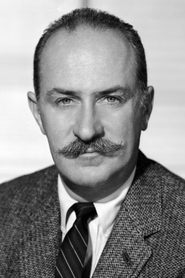
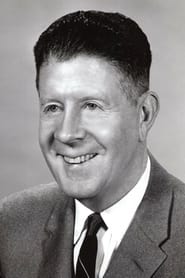
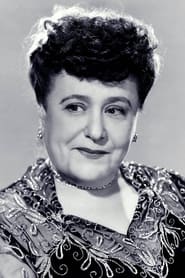
The wartime context of 1948 shaped how My Dear Secretary was marketed, exhibited, and remembered. The supporting cast features Rudy Valee, Alan Mowbray and Irene Ryan.
Why this film matters
Preservation efforts around My Dear Secretary help audiences connect with wartime viewing habits.
Making of
The production of 'My Dear Secretary' took place during a pivotal moment in Hollywood history, as the studio system was beginning to face challenges from television and changing audience preferences. Hal Roach Studios, once a powerhouse of comedy shorts, was struggling to transition to feature film production, and this movie represented one of their attempts to remain competitive. Director Charles Martin, primarily a screenwriter, was given his chance behind the camera, and he worked closely with the cast to develop the romantic chemistry that drives the film. Kirk Douglas, though not yet the major star he would become, demonstrated the intense preparation method he would become famous for, spending time with actual writers to understand their creative process. The production faced the typical challenges of the post-war era, including material shortages and union restrictions, but completed on schedule and within budget. The film's relatively modest scale allowed for greater creative freedom in developing the characters' relationship dynamics, and the cast reportedly enjoyed the light-hearted atmosphere on set compared to more dramatic productions they had worked on.
What critics said
Trade coverage around 1948 noted My Dear Secretary as a competent example of its genre, with emphasis on pacing and star appeal where applicable.
Did you know?
- This was one of Kirk Douglas's earliest leading roles, released before his breakthrough performance in 'Champion' (1949) that would earn him his first Academy Award nomination
- The film's title song 'My Dear Secretary' was written by Jay Livingston and Ray Evans, the prolific songwriting duo who won multiple Oscars including for 'Mona Lisa' and 'Que Sera, Sera'
- Director Charles Martin was primarily known as a screenwriter before this film, making this one of his earliest directorial efforts
- Laraine Day was married to baseball manager Leo Durocher during filming, and her celebrity status helped attract attention to the film
- The film was shot at Hal Roach Studios, famous for producing Laurel and Hardy comedies, but the studio was struggling financially during this period
- Keenan Wynn, who plays the rival writer, came from a famous acting family and would appear in over 200 films and television shows during his career
- The film entered the public domain due to copyright renewal issues, making it widely available on various home video and streaming platforms
- The screenplay was written by Martin Rackin, who would later write for television series including 'Have Gun – Will Travel'
- The film's portrayal of a woman pursuing a writing career was relatively progressive for its time, reflecting post-war changes in gender roles
- Production took place during the early stages of the Hollywood Blacklist era, though none of the principal creative personnel were directly affected
Visual style
The cinematography by Lionel Lindon employed typical studio-era techniques, characterized by the polished, glamorous look appropriate for romantic comedies of the period. The film utilized standard three-point lighting to create a sophisticated atmosphere that enhanced the romantic elements while maintaining clarity for the comedic sequences. Interior scenes were carefully composed to emphasize the power dynamics between characters, with camera angles often positioning Owen Waterbury in dominant positions early in the film before gradually equalizing the visual relationship with Stephanie as their connection develops. The cinematography effectively contrasted the chaotic energy of Owen's lifestyle with the more orderly professional environment Stephanie attempts to maintain. The visual style incorporated subtle changes in lighting and camera work to reflect the emotional journey of the characters, with warmer tones used during romantic moments and more neutral lighting for professional scenes. While not groundbreaking technically, the cinematography served the story effectively and maintained the high production values expected from studio films of this era.
Innovations
As a modest studio production from the late 1940s, 'My Dear Secretary' did not feature significant technical innovations but demonstrated solid competence in standard filmmaking techniques of the era. The film employed typical sound recording methods of the period, capturing clear dialogue that was essential for the witty banter and romantic exchanges central to the story. The editing maintained smooth continuity throughout the narrative, effectively balancing the film's comedic timing with its romantic development. The production design created believable environments for both the professional workplace and domestic settings, using studio resources efficiently to establish the film's visual world. While the film did not push technical boundaries, it demonstrated the polished craftsmanship characteristic of Hollywood's studio system at its peak. The technical aspects served the storytelling effectively without drawing attention to themselves, reflecting the studio-era philosophy that technical excellence should support rather than overshadow the narrative and performances.
Music
The film's musical elements featured a title song 'My Dear Secretary' composed by the successful team of Jay Livingston and Ray Evans, who would later win Academy Awards for their work on films like 'The Paleface' and 'Rear Window.' The song embodied the playful, romantic tone of the film and was performed by characters during key moments in the narrative. The orchestral score, likely composed by Hal Roach Studios' music department, supported both the comedic and romantic elements with typical arrangements of the period, incorporating popular musical styles that would have been familiar to 1948 audiences. The soundtrack included incidental music that heightened emotional moments during romantic scenes while providing lighter, more whimsical accompaniment for comedic sequences. The music effectively reinforced the film's themes of workplace romance and the contrast between professional and personal life. While the soundtrack did not break new ground musically, it successfully enhanced the viewing experience and contributed to the film's entertainment value.
Famous quotes
A writer's life is not a normal life. It's a life of imagination, of creation, of inspiration!
You're not just my secretary, you're my inspiration!
In this business, you either have it or you don't. And I have it!
Love and work don't mix, or do they?
The best stories come from real life, especially the complicated parts!
I didn't hire you because you could type, I hired you because you understand what writing is all about!
Success isn't just about talent, it's about knowing when to seize your opportunities!
In the world of publishing, you're only as good as your last bestseller!
Professional boundaries are important, but sometimes the heart has its own agenda!
Memorable scenes
- The initial job interview scene where Stephanie first meets Owen and is immediately charmed by his literary reputation, only to discover his chaotic work habits and unprofessional attitude
- The late-night writing session where Stephanie proves her talent by completing Owen's unfinished manuscript, demonstrating her skills and earning his respect
- The competitive confrontation between Owen and Ronnie Hastings where they vie for Stephanie's attention both professionally and romantically
- The romantic rooftop scene where workplace boundaries dissolve and the characters acknowledge their growing feelings for each other
- The final resolution where both characters must choose between their professional ambitions and their romantic relationship, finding a balance that allows for both career and love
What audiences thought
The film performed modestly at the box office, appealing primarily to fans of romantic comedies and the growing number of Kirk Douglas admirers. Contemporary audiences responded positively to the chemistry between the leads and the film's light-hearted approach to workplace romance. The movie found particular success with female viewers who related to Stephanie's professional ambitions and romantic dilemmas. While not a blockbuster hit, the film's respectable performance helped establish Kirk Douglas as a viable romantic leading man alongside his emerging reputation for dramatic roles. The film's themes of balancing career and romance resonated with post-war audiences, many of whom were navigating similar challenges in their own lives. Over time, the film has developed a cult following among classic movie enthusiasts, particularly those interested in early Kirk Douglas performances and the evolution of the romantic comedy genre.
Film connections
Influenced by
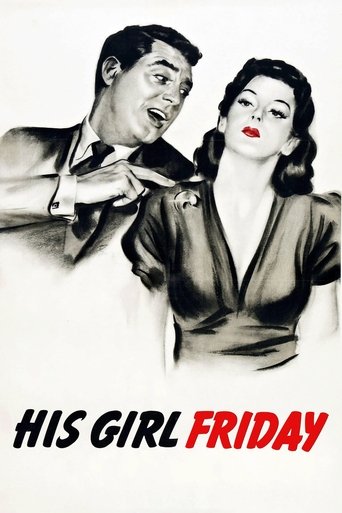
- The screwball comedies of the 1930s and 1940s, particularly 'His Girl Friday' (1940)
- Earlier workplace romance films like 'The More the Merrier' (1943)
- The battle-of-the-sexes comedy tradition established by films like 'Bringing Up Baby' (1938)
- Post-war films exploring changing gender roles such as 'Adam's Rib' (1949)
This film influenced
- Later workplace romantic comedies including 'Desk Set' (1957)
- The secretary-romance subgenre that continued through the 1950s and 1960s
- Films exploring the balance between career and romance like 'Working Girl' (1988)
- Television sitcoms featuring workplace romances such as 'The Dick Van Dyke Show'
Film restoration
The film has survived in good condition through studio archives and entered the public domain due to copyright renewal issues. While it has not undergone extensive restoration work like more prestigious titles from the era, surviving elements are complete and watchable. Various public domain distributors have released the film on DVD and digital platforms, though quality varies depending on the source material used. The film's preservation status is considered stable, with multiple copies existing in archives and private collections. As a product of the studio system era, it benefited from the industry's generally high-quality preservation practices, ensuring its survival for future generations of classic film enthusiasts.
Where to watch
- Available on various streaming platforms specializing in classic films and public domain content
- DVD releases from multiple public domain distributors
- Occasionally broadcast on classic movie television channels such as TCM
- Available for digital purchase or rental through online platforms specializing in classic cinema
- Can be found on free streaming sites that feature public domain films