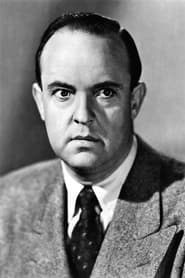
Grady Sutton
Actor
Born: June 5, 1906 in Chattanooga, Tennessee, USA Died: September 17, 1995 Active: 1929-1970 Birth Name: Grady Harwell Sutton
Films
2 films
About Grady Sutton
Prolific American character actor: over five decades in Hollywood, beginning in the silent era and continuing through the Golden Age of cinema. Born in Tennessee in 1906, Sutton moved to Hollywood in the late 1920s and quickly established himself as a reliable supporting player, often playing befuddled, nervous, or comically inept characters. Grady appears in more than 200 films, working with some of the biggest stars and directors of his time, including Harold Lloyd, W.C. Fields, and the Marx Brothers. Sutton's distinctive appearance, with his tall, lanky frame and perpetually worried expression, made him instantly recognizable to audiences. He was particularly adept at physical comedy and timing, which served him well in both dramatic and comedic roles. Throughout the 1930s and 1940s, he was one of Hollywood's busiest character actors, appearing in everything from screwball comedies to dramatic features. His career continued into the 1960s with television appearances, cementing his legacy as one of cinema's most familiar faces.
The Craft
On Screen
Sutton specialized in playing nervous, flustered, and often comically inept characters with impeccable timing and physical comedy skills. His tall, lanky frame combined with a perpetually worried expression made him perfect for roles as befuddled clerks, anxious suitors, and confused bystanders. He had a distinctive delivery style that emphasized hesitation and stammering, which became his trademark in both dramatic and comedic contexts. Sutton was particularly adept at reaction shots, using his expressive face to enhance scenes without dialogue. His ability to play both sympathetic and slightly pathetic characters made him a versatile supporting player throughout his career.
Milestones
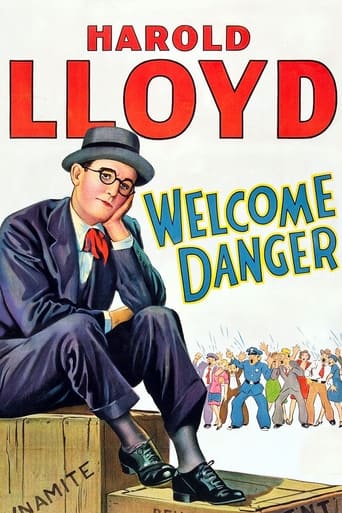
- Breakthrough role in Harold Lloyd's 'Welcome Danger' (1929)
- Regular supporting player in W.C. Fields films including 'The Bank Dick' (1940)
- Prolific appearance in over 200 films spanning four decades
- Transition from silent films to talkies successfully
- Extended television career in the 1950s and 1960s
Best Known For
Iconic Roles
Must-See Films
Accolades
Special Recognition
- Hollywood Walk of Fame Star (1960)
Working Relationships
Worked Often With
Studios
Why They Matter
Impact on Culture
Grady Sutton's contribution to American cinema lies in his embodiment of the everyman character during Hollywood's Golden Age. His consistent portrayals of nervous, ordinary Americans helped audiences connect with the films he appeared in, providing a relatable counterpoint to the glamorous leads. Sutton's work with comedy legends like W.C. Fields and Harold Lloyd helped define the visual language of American comedy in the 1930s and 1940s. His ability to transition seamlessly between dramatic and comedic roles demonstrated the versatility required of character actors in studio-era Hollywood. Sutton's face became so familiar to movie audiences that he represented a type of American character - the slightly overwhelmed but good-hearted individual trying to navigate an increasingly complex world.
Lasting Legacy
Grady Sutton's legacy endures as one of Hollywood's most recognizable character actors, appearing in more films than many leading stars of his era. His work serves as a valuable record of the studio system's reliance on reliable supporting players to flesh out their productions. Film historians and classic movie enthusiasts continue to appreciate Sutton's contributions to comedies that have stood the test of time, particularly his collaborations with Preston Sturges and W.C. Fields. His career trajectory from silent films through the golden age of Hollywood and into television exemplifies the adaptability required of actors during the most transformative decades of American entertainment. Sutton's performances remain studied examples of effective character acting and comic timing.
Who They Inspired
Sutton influenced generations of character actors through his demonstration of how distinctive supporting roles could become memorable and essential to a film's success. His technique of using physical comedy and facial expressions to enhance his characters inspired later comedians who specialized in playing nervous or flustered types. The way Sutton built a career around a specific character type showed future actors the value of developing a recognizable persona. His longevity in the business, spanning from silent films to television, provided a model for career adaptability that many subsequent character actors have followed.
Off Screen
Grady Sutton was married twice during his lifetime. His first marriage was to actress Muriel Goodspeed, which ended in divorce. He later married Betty Sutton, with whom he remained until his death. Despite his extensive film career, Sutton maintained a relatively private personal life away from the Hollywood spotlight. He was known among his colleagues as a reliable and professional actor who took his craft seriously despite often playing comic roles. After retiring from acting, he lived a quiet life in California until his death in 1995 at the age of 89.
Education
University of Tennessee (attended briefly before moving to Hollywood)
Family
- Muriel Goodspeed (1930s-1940s)
- Betty Sutton (1950s-1995)
Did You Know?
- Appeared in over 200 films during his career, making him one of Hollywood's most prolific character actors
- Worked with Harold Lloyd in several films, including 'Welcome Danger' which was one of the first talkies
- Was a regular in W.C. Fields' films, often playing the straight man to Fields' comedic antics
- His distinctive nervous persona was so well-known that directors often wrote parts specifically for him
- Served in the Army Air Corps during World War II while continuing to appear in films
- Made the transition from silent films to talkies without difficulty, unlike many of his contemporaries
- His final film appearance was in 'The Love God?' (1969) starring Don Knotts
- Received a star on the Hollywood Walk of Fame in 1960 for his contributions to motion pictures
- Was often typecast as 'the worried man' or 'the nervous clerk' due to his distinctive appearance and mannerisms
- Appeared in three Marx Brothers films: 'Duck Soup', 'A Night at the Opera', and 'A Day at the Races'
In Their Own Words
I've played everything from a nervous clerk to a worried bank teller. If there was a role that required looking anxious, I was the man for the job.
Working with W.C. Fields was an education in comedy. He taught me more about timing than anyone else in Hollywood.
In the old days, if you were a character actor, you worked. You might not get the girl, but you always got the paycheck.
Frequently Asked Questions
Who was Grady Sutton?
Screen credits include over 200 films from the silent era through the Golden Age of Hollywood. He was best known for playing nervous, flustered characters in comedies, often serving as a comic foil to stars like W.C. Fields and Harold Lloyd.
What films is Grady Sutton best known for?
Titles linked here include Welcome Danger (1929), The Bank Dick (1940).
When was Grady Sutton born and when did he die?
Born June 5, 1906; died September 17, 1995.
What awards did Grady Sutton win?
While Grady Sutton didn't receive major acting awards during his career, he was honored with a star on the Hollywood Walk of Fame in 1960 in recognition of his extensive contributions to motion pictures.
What was Grady Sutton's acting style?
Sutton specialized in playing nervous, anxious characters with impeccable comic timing. His tall, lanky frame and perpetually worried expression became his trademark, making him perfect for roles as befused clerks and flustered bystanders in both comedies and dramas.