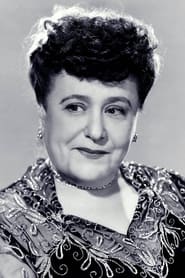
Florence Bates
Actor
Born: April 15, 1888 in San Antonio, Texas, USA Died: January 30, 1954 Active: 1939-1954 Birth Name: Florence Florenze
Films
1 film
About Florence Bates
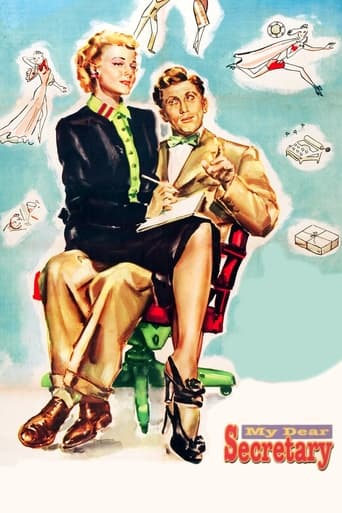
American character actress who began her remarkable career in Hollywood after achieving success as a businesswoman and opera singer. Born in 1888, she initially pursued a career in education and later became a successful businesswoman in Texas before discovering her passion for performing. Bates made her film debut in 1939 at the age of 51, quickly establishing herself as one of Hollywood's most reliable character actresses specializing in formidable, often comically stern matriarchs and society women. Throughout her prolific career spanning from 1939 to 1954, she appeared in over 80 films, working with directors like Alfred Hitchcock in 'Rebecca' (1940) and Billy Wilder in 'The Lost Weekend' (1945). Her commanding presence and distinctive voice made her a memorable presence in both dramatic and comedic roles, often playing wealthy society matrons, overbearing mothers, or formidable businesswomen. Despite her late start in films, Bates became recognizable character actresses of her era, appearing in numerous classic films including 'My Dear Secretary' (1948), 'The Big Clock' (1948), and 'A Letter to Three Wives' (1949). Her career was tragically cut short when she died in a car accident in 1954, but her legacy as one of Hollywood's most distinctive character actresses endures.
The Craft
On Screen
Florence Bates specialized in portraying formidable, commanding women with a distinctive blend of authority and comic timing. Her acting style was characterized by her rich, resonant voice, imperious demeanor, and the ability to deliver cutting remarks with perfect timing. She excelled at creating memorable characters who were simultaneously intimidating and entertaining, often using her physical presence and sharp delivery to dominate scenes. Bates had a particular talent for playing wealthy society matrons, overbearing mothers, and formidable businesswomen, bringing depth and nuance to what could have been one-dimensional characters. Her performances were marked by a sophisticated understanding of social hierarchies and class dynamics, allowing her to create authentic portrayals of upper-class women with both their virtues and flaws.
Milestones
- Film debut in 'Rebecca' (1940) directed by Alfred Hitchcock
- Memorable performance in 'The Lost Weekend' (1945) which won Best Picture
- Prolific career with over 80 film appearances in 15 years
- Established herself as Hollywood's go-to actress for formidable society women
- Successful transition from business and opera to acting at age 51
Best Known For
Iconic Roles
Must-See Films
Accolades
Special Recognition
- Hollywood Walk of Fame star (6600 Hollywood Blvd)
Working Relationships
Worked Often With
Studios
Why They Matter
Impact on Culture
Florence Bates made a significant cultural impact as one of Hollywood's most recognizable character actresses during the Golden Age of cinema. Her portrayals of formidable, wealthy women reflected and shaped American perceptions of upper-class society during the 1940s. Bates helped establish the archetype of the commanding society matron in film, influencing how such characters would be portrayed for decades. Her work in films like 'Rebecca' and 'The Lost Weekend' contributed to some of the most acclaimed films of the era, adding depth and authenticity to ensemble casts. As a woman who began her film career at age 51, Bates also challenged age barriers in Hollywood, proving that character actors could achieve stardom and critical recognition regardless of age. Her sophisticated performances elevated the status of supporting roles and demonstrated the importance of character actors in creating memorable cinema.
Lasting Legacy
Florence Bates left an enduring legacy as one of Hollywood's most distinctive character actresses of the 1940s. Her memorable performances in classic films continue to be appreciated by film scholars and classic cinema enthusiasts. Bates demonstrated that supporting characters could be as memorable as leads, and her work influenced subsequent generations of character actresses who specialized in formidable, commanding roles. Her career serves as an inspiring example of artistic reinvention, showing that it's never too late to pursue a creative passion. The characters she created have become archetypes in American cinema, and her performances remain studied examples of how to bring depth and nuance to supporting roles. Her Hollywood Walk of Fame star stands as a permanent tribute to her contributions to American cinema.
Who They Inspired
Florence Bates influenced the way character actresses approached roles involving powerful, upper-class women. Her sophisticated technique in blending authority with comic timing became a model for subsequent character actors. Bates demonstrated the importance of bringing intelligence and cultural sophistication to supporting roles, elevating the craft of character acting. Her success in starting a film career at an advanced age inspired other mature actors to pursue or continue their careers in Hollywood. The archetype of the formidable society woman she perfected influenced how such characters were written and performed in later films and television shows. Her work continues to be studied by actors and directors as an example of how to create memorable, complex supporting characters that enhance the overall quality of a production.
Off Screen
Florence Bates led a fascinating and varied life before her acting career. She was married twice, first to Joseph A. Rickenbacker, and later to William F. Jacobs, who was a stockbroker. Before entering films, she had a successful career as a businesswoman in Texas, owning and operating a millinery business. Bates was also a talented opera singer who studied music extensively and performed in various productions. Her diverse background in business, music, and education contributed to her sophisticated and commanding screen presence. She was known in Hollywood circles for her intelligence, wit, and professionalism, often being described as.
Education
University of Texas at Austin (studied music and voice)
Family
- Joseph A. Rickenbacker (1910s-1920s)
- William F. Jacobs (1930s-1954)
Did You Know?
- Began her film career at age 51 after being discovered by Alfred Hitchcock
- Was a successful businesswoman in Texas before becoming an actress
- Studied opera singing at the University of Texas
- Owned and operated her own millinery shop before entering films
- Appeared in over 80 films in just 15 years
- Was one of the few actresses to successfully transition from business to acting
- Her distinctive voice made her a popular choice for radio programs
- Died in a car accident at age 65
- Was often typecast as wealthy, formidable women due to her commanding presence
- Never received formal acting training but learned through experience
- Was fluent in several languages which helped her in portraying sophisticated characters
In Their Own Words
I never wanted to be a star. I just wanted to be a good actress.
Age is no barrier to achievement if you have talent and determination.
Playing formidable women is easy when you've been a businesswoman - you understand authority.
Hollywood needs character actors more than it needs stars. We give films their texture.
I discovered my true calling late in life, but better late than never.
Frequently Asked Questions
Who was Florence Bates?
American character actress known for her portrayals of formidable, commanding women in Hollywood films during the 1940s. She appeared in over 80 films including classics like 'Rebecca' and 'The Lost Weekend,' beginning her remarkable film career at age 51 after success as a businesswoman and opera singer.
What films is Florence Bates best known for?
Titles linked here include Rebecca (1940), The Lost Weekend (1945).
When was Florence Bates born and when did she die?
Born April 15, 1888; died January 30, 1954.
What awards did Florence Bates win?
While Florence Bates did not receive major acting awards during her career, she was honored with a star on the Hollywood Walk of Fame at 6600 Hollywood Blvd. Her contributions to classic cinema, particularly in films that won Academy Awards like 'Rebecca' and 'The Lost Weekend,' have been recognized by film historians and preservation organizations.
What was Florence Bates's acting style?
Florence Bates specialized in portraying formidable, commanding women with a distinctive blend of authority and comic timing. Her acting was characterized by her rich voice, imperious demeanor, and ability to deliver cutting remarks perfectly. She excelled at creating memorable society matrons and overbearing matriarchs, bringing depth and sophistication to supporting roles.