Helen Walker
Actor
Born: July 3, 1920 in Worcester, Massachusetts, USA Died: April 10, 1968 Active: 1942-1956
Films
2 films
About Helen Walker
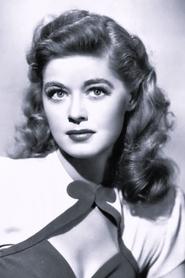
Talented American actress known for her sharp wit, sophisticated demeanor, and memorable performances in film noir and comedy during the 1940s and 1950s. Born in Worcester, Massachusetts, she began her career in radio before being discovered by Paramount Pictures in 1942. Walker quickly established herself as a versatile performer, appearing in notable films such as 'Brewster's Millions' (1945) and 'Nightmare Alley' (1947). Her career faced a significant setback in 1946 when she was involved in a serious car accident that killed a young man and led to negative press coverage. Despite this controversy, she made a successful comeback in the late 1940s with films like 'My Dear Secretary' (1948) and 'Call Northside 777' (1948). Walker continued to work steadily throughout the 1950s, appearing in both films and television shows, with her final film being the noir classic 'The Big Combo' (1955). She retired from acting in the mid-1950s and passed away from cancer in 1968 at the age of 47.
The Craft
On Screen
Helen Walker was known for her sophisticated and intelligent acting style, often portraying sharp-witted, independent women with a hint of cynicism. She excelled at playing femme fatales in film noir, bringing a cool, detached quality to her characters that made them both alluring and dangerous. Her comedic timing was equally impressive, allowing her to deliver witty lines with precision and charm. Walker possessed a distinctive voice and a natural elegance that made her particularly effective in sophisticated comedy roles. Her acting was characterized by its subtlety and restraint, avoiding melodrama in favor of more nuanced, understated performances.
Milestones
- Signed with Paramount Pictures in 1942
- Starred in 'Brewster's Millions' (1945)
- Appeared in film noir classic 'Nightmare Alley' (1947)
- Made successful comeback after 1946 car accident
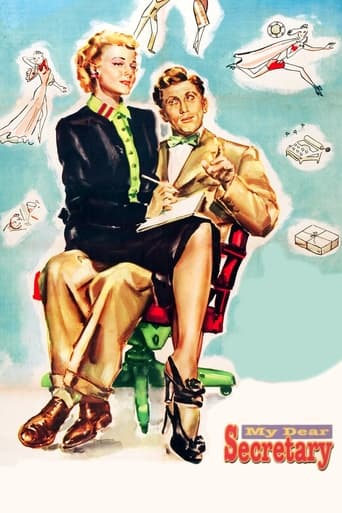
- Starred in 'My Dear Secretary' (1948)
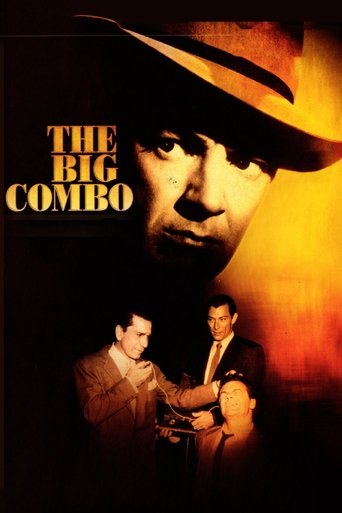
- Appeared in 'The Big Combo' (1955)
- Transitioned to television work in the 1950s
Best Known For
Iconic Roles
Must-See Films
Working Relationships
Worked Often With
Studios
Why They Matter
Impact on Culture
Helen Walker made a significant impact on the film noir genre with her memorable portrayals of sophisticated, complex female characters. Her performances helped define the archetype of the intelligent, independent woman who could hold her own against male protagonists in these dark, atmospheric films. Walker's ability to seamlessly transition between comedy and drama demonstrated the versatility of actresses during Hollywood's Golden Age. Her comeback after the 1946 car accident controversy served as an early example of Hollywood's complex relationship with scandal and redemption. Though never a major star, Walker's work in films like 'Nightmare Alley' and 'The Big Combo' has been reevaluated and appreciated by film noir enthusiasts and scholars in recent decades.
Lasting Legacy
Helen Walker's legacy lies in her contributions to film noir and her ability to portray strong, intelligent women at a time when such roles were limited. Her performances have endured as examples of sophisticated screen acting from the Golden Age of Hollywood. Modern film noir enthusiasts and classic cinema scholars often cite her work as exemplary of the genre's best female performances. Walker's career trajectory, from promising newcomer to scandal-plagued actress to successful comeback artist, reflects the challenges faced by women in mid-20th century Hollywood. While she never achieved the lasting fame of some contemporaries, her best work continues to be discovered and appreciated through revivals and home video releases of classic films.
Who They Inspired
Helen Walker influenced subsequent generations of actresses through her ability to portray complex, intelligent women who could be both alluring and dangerous. Her work in film noir helped establish templates for female characters that would be reinterpreted in later neo-noir films. Walker's sophisticated acting style and ability to handle both dramatic and comedic material demonstrated the importance of versatility for character actresses. Her career resilience in the face of personal scandal also provided a model for how performers could navigate public controversy. Contemporary actresses who specialize in playing complex, morally ambiguous characters in noir-influenced projects owe a debt to trailblazers like Walker.
Off Screen
Helen Walker's personal life was marked by both professional success and personal challenges. She married Robert Blumofe, a Paramount publicity agent, in 1944, but the marriage ended in divorce in 1949. In 1952, she married Edward DuDomaine, a lawyer, but this marriage also ended in divorce in 1954. Walker had no children. Her life was forever changed by a tragic car accident on December 21, 1946, in which she was driving and her vehicle struck and killed 21-year-old Robert H. Harris. The incident led to a manslaughter charge, though she was eventually cleared of wrongdoing. The negative publicity from the case temporarily damaged her career, but she managed to rebuild it. Walker spent her final years away from the public eye and died of cancer at age 47.
Education
Graduated from Worcester Classical High School, attended Erasmus Hall High School in Brooklyn briefly
Family
- Robert Blumofe (1944-1949)
- Edward DuDomaine (1952-1954)
Did You Know?
- Began her career as a radio actress in Boston
- Discovered by a Paramount talent scout while performing in a Broadway play
- The 1946 car accident that killed a young man nearly ended her career
- Was initially cast in 'The Lost Weekend' (1945) but replaced after the accident
- Known for her distinctive husky voice and sophisticated demeanor
- Made her television debut in 'The Ford Television Theatre' in 1953
- Appeared in over 20 films during her 14-year career
- Was considered for the role of Phyllis Dietrichson in 'Double Indemnity' (1944)
- Retired from acting at age 36
- Died just two weeks after her 47th birthday
In Their Own Words
I'm not interested in being a star. I'm interested in being an actress.
Hollywood is a place where they'll pay you a thousand dollars for a kiss and fifty cents for your soul.
The best roles are the ones that scare you a little bit.
I've always been drawn to characters who aren't quite what they seem.
Comedy is harder than drama, but it's more rewarding when you get it right.
Frequently Asked Questions
Who was Helen Walker?
American actress active during the 1940s and 1950s, known for her roles in film noir and comedy. She appeared in notable films like 'Nightmare Alley,' 'My Dear Secretary,' and 'The Big Combo,' establishing herself as a versatile performer capable of playing both sophisticated women and femme fatales.
What films is Helen Walker best known for?
Titles linked here include Nightmare Alley (1947), My Dear Secretary (1948).
When was Helen Walker born and when did she die?
Born July 3, 1920; died April 10, 1968.
What awards did Helen Walker win?
Despite her notable performances, Helen Walker did not receive any major awards during her career. She was not nominated for Academy Awards or other major industry honors, which was not uncommon for character actresses of her era.
What was Helen Walker's acting style?
Walker was known for her sophisticated, intelligent acting style characterized by subtlety and restraint. She excelled at portraying sharp-witted, independent women with a hint of cynicism, particularly in film noir roles where she brought a cool, detached quality to her characters.
What happened in Helen Walker's 1946 car accident?
On December 21, 1946, Walker was involved in a serious car accident in which her vehicle struck and killed 21-year-old Robert H. Harris. She was charged with manslaughter but eventually cleared of wrongdoing, though the negative publicity temporarily damaged her career.
Why did Helen Walker retire from acting?
Walker gradually phased out her acting career in the mid-1950s, making her final film appearance in 1955. While specific reasons for her retirement aren't definitively documented, it coincided with the decline of the studio system and her transition to television work, suggesting she may have chosen to step away from the demands of Hollywood.
How has Helen Walker's legacy been reassessed over time?
While not a major star during her lifetime, Walker's work has been reevaluated and appreciated by film noir enthusiasts and scholars in recent decades. Her performances in classic noir films are now recognized as exemplary of the genre's best female characterizations.