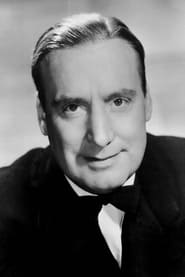
Alan Mowbray
Actor
Born: August 25, 1896 in London, England, United Kingdom Died: March 25, 1969 Active: 1920s-1960s Birth Name: Alan Mowbray Morrison
Films
4 films


About Alan Mowbray
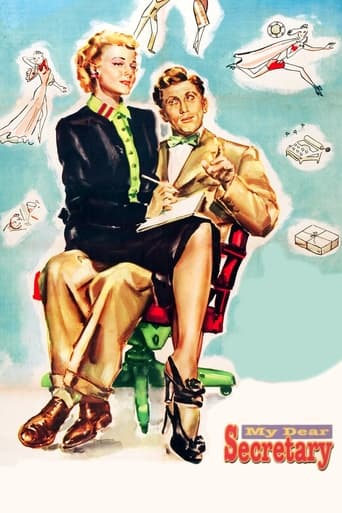
British-born character actor who became a familiar and highly valued presence in Hollywood supporting roles during the 1930s and 1940s. Born in London, he began his career on the stage and later moved into films, where his refined delivery, crisp diction, and air of amused authority made him especially effective as judges, professors, physicians, aristocrats, businessmen, and pompous officials. After establishing himself in Britain, he transitioned to American cinema and appeared steadily in both prestige productions and light comedies, often providing wit, polish, and a dry comic counterpoint to the leads. He is particularly remembered for appearances in Becky Sharp, My Man Godfrey, That Uncertain Feeling, and My Dear Secretary, films that showcase his ability to elevate supporting material with timing and elegance. Mowbray worked across a wide range of studios and genres, from screwball comedy and costume drama to mystery and adventure, and he became one of those dependable actors whose face and voice were instantly recognizable even when his name was not always top-billed. Although not a leading star, he had a long, durable career that reflected the importance of skilled character actors in classic Hollywood. His screen persona was so distinctive that he remained in demand well into the postwar years, leaving behind a substantial body of work that continues to be mined by classic film fans and historians.
The Craft
On Screen
Mowbray’s acting style was marked by elegance, impeccable diction, and a dry, cultivated wit that made him especially effective in comic and social-comedy roles. He frequently played men of status or expertise whose self-importance could be punctured by a raised eyebrow, a clipped phrase, or a perfectly timed reaction. Rather than broad mugging, he relied on restraint, verbal precision, and a polished presence that made him ideal for screwball comedy, drawing-room farce, and light mystery. His performances often carried an undercurrent of amused superiority, which filmmakers used to contrast with more impulsive or romantic leads.
Milestones
- Established himself as a polished character actor after beginning in British stage work and moving into film
- Gained lasting recognition in Hollywood supporting roles during the 1930s and 1940s
- Appeared in Becky Sharp (1935), one of the early feature-length Technicolor productions and a major prestige adaptation
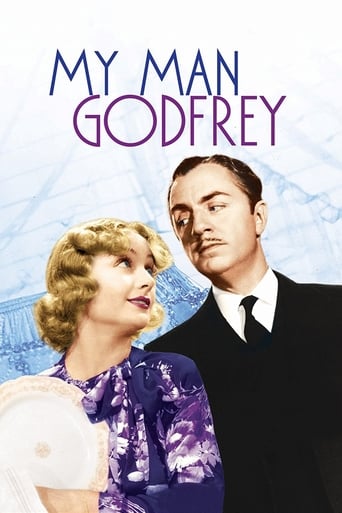
- Played memorable supporting roles in My Man Godfrey (1936) and That Uncertain Feeling (1941), both of which showcased his comic sophistication
- Remained active in film and later television through the postwar years, demonstrating remarkable adaptability
- Built a reputation for portraying refined, officious, ironic, or slightly fussy authority figures with precision and wit
- Became one of the dependable British imports who helped define the flavor of American studio-era supporting casts
Best Known For
Iconic Roles
Must-See Films
Working Relationships
Worked Often With
Studios
Why They Matter
Impact on Culture
Alan Mowbray’s cultural impact lies in his contribution to the fabric of classical Hollywood rather than in headlining stardom. He represented a type of actor that was essential to studio-era filmmaking: the well-spoken, impeccably mannered supporting player who could instantly establish class, profession, and tone. In comedies especially, his presence gave filmmakers a way to satirize authority and sophistication without losing plausibility, and that helped shape the polished social worlds so central to 1930s and 1940s cinema. For viewers of classic films, he remains a vivid example of how character actors created texture, rhythm, and credibility across hundreds of productions. His British manner and disciplined delivery also contributed to Hollywood’s internationalized screen culture, where imported talent helped define what audiences came to recognize as elegance, wit, and upper-class restraint on film.
Lasting Legacy
Mowbray’s lasting legacy is that of a consummate supporting actor whose professionalism and precision made him a fixture of classic Hollywood. He left behind a body of work that historians and fans value for the consistency with which he could enrich a scene, often in only a few minutes of screen time. In films like My Man Godfrey and That Uncertain Feeling, he exemplifies the importance of casting actors who can do subtle character work without overpowering the narrative. His career also illustrates how British stage-trained performers became indispensable in American cinema, especially in roles requiring verbal finesse and social authority. Though not a star in the marquee sense, he is remembered as a model of the sophisticated character-player whose craft underpinned the era’s best ensemble filmmaking.
Who They Inspired
Mowbray influenced later generations of character actors by demonstrating how authority, humor, and elegance could be combined into a durable screen persona. His performances helped set the template for the urbane comic supporting role: a man who could be ridiculous, impressive, or slightly menacing depending on the scene, but who always felt fully inhabited. Directors and casting departments in classic Hollywood repeatedly relied on actors of his type to anchor comedy, and his work helped normalize the British gentleman as a recurring type in American popular film. While not usually cited as a direct mentor to specific later performers, his career stands as an influential example of the value of consistency, voice, and timing in supporting-character acting.
Off Screen
British expatriate with credits in this catalog. He was known primarily for his screen work rather than for a highly publicized private life, and available classic-film references generally emphasize his professional versatility more than family details. He was married, though detailed public information about his domestic life is not as widely documented as that of major stars. He spent much of his working life in the United States after leaving Britain, becoming part of the large community of imported British actors who helped populate Hollywood films with authentic accents and social polish.
Education
He was educated in England, but detailed institutional records are not consistently documented in readily available classic cinema sources. His early training appears to have been rooted more in stage experience and practical theatrical work than in a widely cited formal dramatic-school pedigree.
Family
- Dorothy Vining
Did You Know?
- He was born Alan Mowbray Morrison but worked professionally as Alan Mowbray.
- He was especially adept at playing judges, doctors, officials, and other figures of authority.
- His voice and diction were as important to his screen persona as his physical mannerisms.
- He appeared in both prestige productions and light comedies, showing unusual range for a character player.
- He was part of the large group of British performers who became fixtures in Hollywood during the studio era.
- He is often remembered by classic-film fans even when they cannot immediately name him, because his face appears in many well-known films.
- His role in My Man Godfrey places him within one of the defining screwball comedies of the 1930s.
- He worked steadily enough that his filmography spans well beyond the specific titles most often cited today.
Frequently Asked Questions
Who was Alan Mowbray?
British-born character with credits in this catalog. He was especially valued for refined, witty portrayals of authority figures, aristocrats, and professional men in comedies and dramas.
What films is Alan Mowbray best known for?
Titles linked here include Becky Sharp (1935), My Man Godfrey (1936).
When was Alan Mowbray born and when did he die?
Born August 25, 1896; died March 25, 1969.
What awards did Alan Mowbray win?
There are no major awards or Academy Award nominations widely documented for Alan Mowbray in the standard classic-film record. His reputation rests instead on the durability and quality of his supporting performances.
What was Alan Mowbray's acting style?
His style was elegant, restrained, and sharply timed, with a dry wit that made him ideal for sophisticated comedy. He often played men of status or expertise whose composure concealed vanity, fussiness, or amused superiority.
What is Alan Mowbray's legacy in film history?
His legacy is that of a quintessential studio-era character actor whose presence enriched many classic films. He helped define the polished supporting role in Hollywood comedies and dramas, especially those that depended on social nuance and verbal precision.