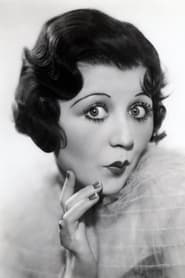
Mae Questel
Actor
Born: September 13, 1908 in New York City, New York, USA Died: January 4, 1998 Active: 1931-1998 Birth Name: Mae Kwestel
Films
37 films
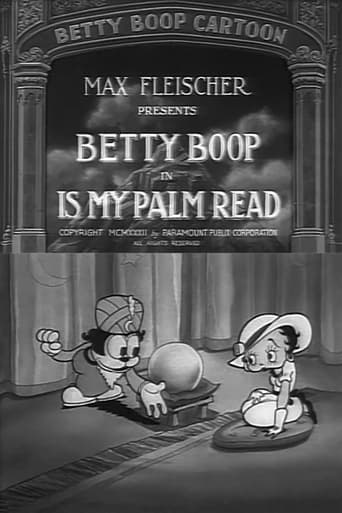
Is My Palm Read
1933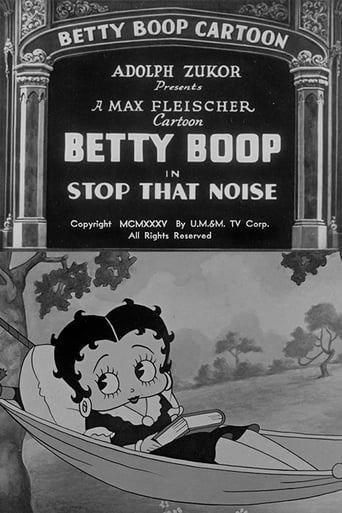
Stop That Noise
1935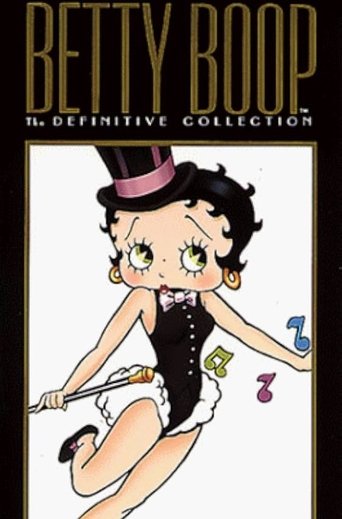
Swat the Fly
1935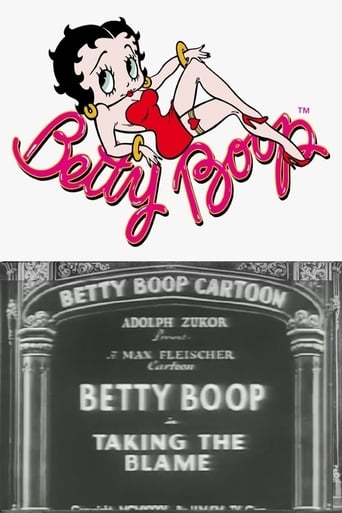
Taking the Blame
1935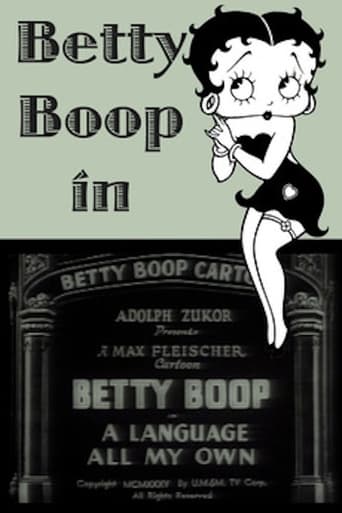
A Language All My Own
1935
A Little Soap and Water
1935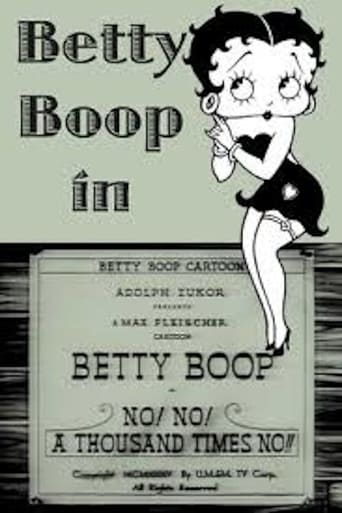
No! No! A Thousand Times No!!
1935
Popeye the Sailor Meets Ali Baba's Forty Thieves
1937
Betty Boop's Crazy Inventions
1933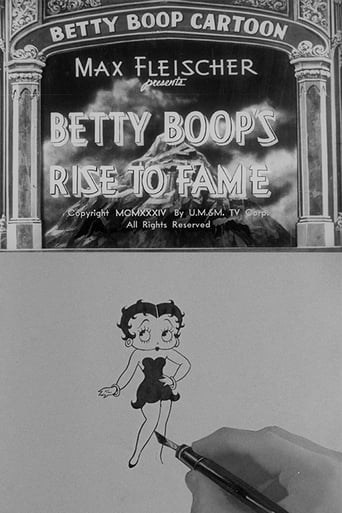
Betty Boop's Rise to Fame
1934
Betty Boop and Grampy
1935
Baby Be Good
1935
Judge for a Day
1935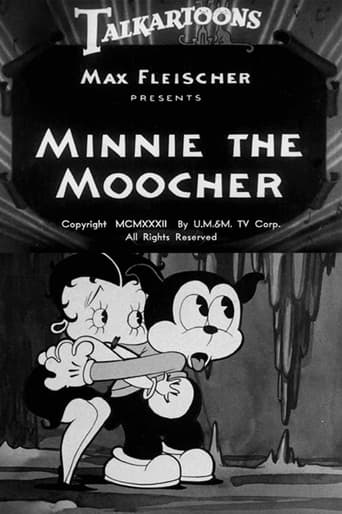
Minnie the Moocher
1932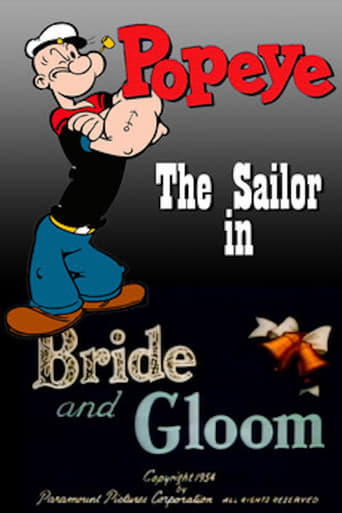
Bride and Gloom
1954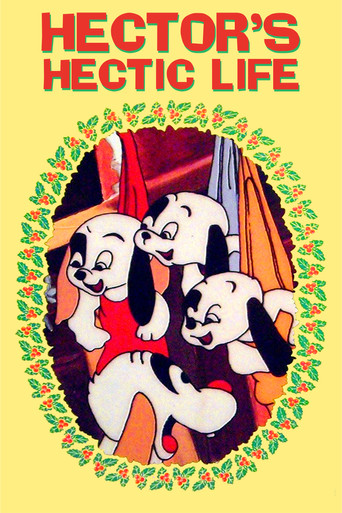
Hector's Hectic Life
1948
Teacher's Pest
1950
The Seapreme Court
1954
Pest Pupil
1957
Quack-a Doodle-Doo
1950
Crazytown
1954
Flip Flap
1948
Christmas Comes But Once a Year
1936
Ha! Ha! Ha!
1934
Spooky Swabs
1957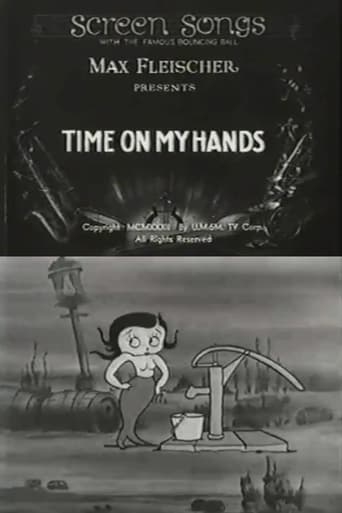
Time on My Hands
1931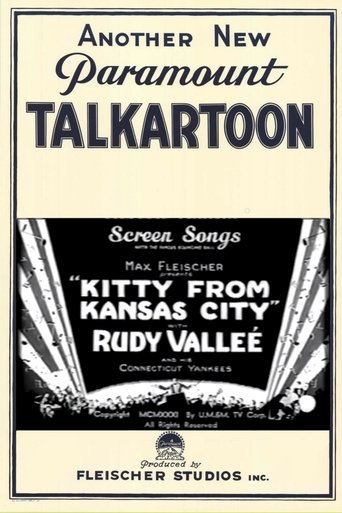
Kitty from Kansas City
1931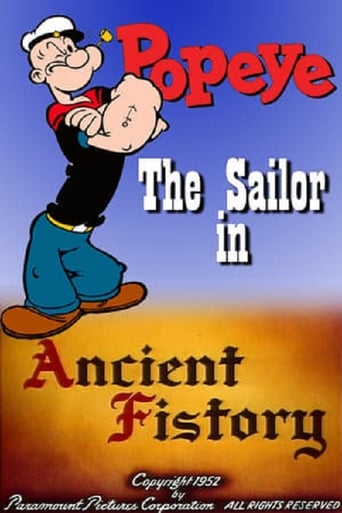
Ancient Fistory
1953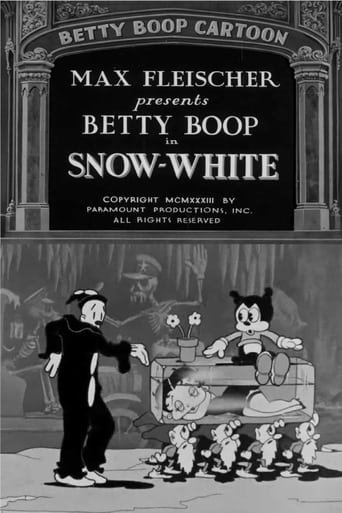
Snow-White
1933
The Paneless Window Washer
1937
The Hot Air Salesman
1937
Little Swee'pea
1936
A Date to Skate
1938
I Never Changes My Altitude
1937
Popeye for President
1956
A Haul in One
1956About Mae Questel
American actress and voice artist: distinctive voice defined some of animation's most characters. Born in New York City in 1908, she began her entertainment career as a vaudeville performer and impressionist, winning a talent contest at age 17 with her imitation of Helen Kane. This victory led to her being discovered by Max Fleischer, who hired her to voice Betty Boop in 1931, launching her animation career. Throughout the 1930s, Questel became the definitive voice of Betty Boop while also taking on the role of Olive Oyl in the Popeye cartoon series. Her career extended beyond voice work to include live-action roles in films like 'Funny Face' (1957) and television appearances on shows such as 'The Jackie Gleason Show'. Questel continued voice acting well into her later years, reprising her role as Betty Boop for various projects until the 1980s. Her remarkable vocal versatility and enduring contributions to animation made her recognizable voice actresses of the Golden Age of Hollywood.
The Craft
On Screen
Questel's acting style was characterized by her remarkable vocal versatility and ability to create distinct, memorable character voices. Her Betty Boop voice combined baby-like innocence with jazz-age flapper sass, creating a unique vocal signature that defined the character. For Olive Oyl, she developed a completely different voice - high-pitched, nasal, and perpetually exasperated - that perfectly captured the character's comic frustration. Her voice acting technique emphasized emotional expressiveness and comedic timing, allowing her to convey complex emotions through vocal inflection alone. In live-action roles, she often played quirky, character-driven parts that capitalized on her distinctive voice and comedic sensibilities.
Milestones
- First voiced Betty Boop in 1931's 'Dizzy Dishes'
- Became the voice of Olive Oyl in Popeye cartoons starting in 1936
- Appeared in the film 'Funny Face' (1957) alongside Fred Astaire and Audrey Hepburn
- Voiced Betty Boop in 'Who Framed Roger Rabbit' (1988)
- Made numerous television appearances including 'The Jackie Gleason Show'
- Inducted into the International Animated Film Association Hall of Fame
Best Known For
Iconic Roles
Must-See Films
Accolades
Won
- Winnie Award for Lifetime Achievement in Voice Acting (1990)
- Annie Award for Voice Acting (posthumous recognition)
Nominated
- Academy Award consideration for Best Animated Short (as voice actor, multiple years)
Special Recognition
- Hollywood Walk of Fame star (for voice acting)
- International Animated Film Association Hall of Fame inductee
- Animation Magazine's Top 100 Voice Actors of All Time
Working Relationships
Worked Often With
Studios
Why They Matter
Impact on Culture
Mae Questel's impact on animation and popular culture is immeasurable, as she literally gave voice to characters that became cultural icons. Her portrayal of Betty Boop helped define the jazz age flapper archetype and created one of animation's first and most enduring female characters. The Betty Boop voice she created became so distinctive that it influenced countless performers and established vocal standards for female cartoon characters. Through her work as Olive Oyl, she contributed to making Popeye. Her ability to create and maintain distinct character voices set a benchmark for voice acting professionalism and artistry. Questel's work transcended animation, influencing fashion, music, and popular culture, with Betty Boop becoming a timeless symbol of feminine independence and charm.
Lasting Legacy
Mae Questel's legacy endures through the continued popularity of the characters she brought to life. Betty Boop remains a beloved cultural icon, appearing in merchandise, art, and media decades after Questel first voiced her. Her work in voice acting helped establish it as a respected and specialized field in the entertainment industry. Many modern voice actors cite Questel as a major influence on their work, particularly in the realm of creating distinctive character voices. The longevity of her career, spanning from the early days of sound animation through the digital age, demonstrates her remarkable adaptability and lasting relevance. Her contributions were recognized late in her career with inductions into various halls of fame, cementing her status as one of animation's most important and influential figures.
Who They Inspired
Questel's influence extends far beyond her own performances, shaping the entire field of voice acting. Her technique of creating fully realized characters through voice alone became the standard for the industry. Many successful voice actors, including June Foray, Nancy Cartwright, and Tara Strong, have acknowledged Questel's work as foundational to their craft. Her ability to voice multiple distinct characters in the same production demonstrated the artistic possibilities of voice acting. The emotional range and comedic timing she brought to her performances elevated voice acting from mere novelty to legitimate acting. Her work continues to be studied by animation students and voice actors as a masterclass in character creation and vocal performance.
Off Screen
Mae Questel was married twice during her lifetime. Her first marriage was to Leo Balkin in 1930, which ended in divorce. In 1970, she married Jack E. Shelby, a real estate broker, with whom she remained until his death in 1981. Questel — devoted mother to her two children, Richard Balkin and Robert Balkin, from her first marriage. Despite her fame, she maintained a relatively private personal life and was known among colleagues for her professionalism and warm personality. In her later years, she suffered from Alzheimer's disease and passed away at the age of 89 in New York City.
Education
Attended James Monroe High School in the Bronx, New York; studied acting at the American Academy of Dramatic Arts
Family
- Leo Balkin (1930-1940, divorced)
- Jack E. Shelby (1970-1981, his death)
Did You Know?
- Won a Helen Kane impersonation contest at age 17, which led to her Betty Boop career
- Voiced Betty Boop in over 150 cartoons between 1931 and 1939
- Was the original voice of both Betty Boop and Olive Oyl, two of animation's most famous characters
- Her Betty Boop voice was actually an imitation of singer Helen Kane's 'boop-boop-a-doop' style
- Continued voicing Olive Oyl into the 1980s, making her one of the longest-serving voice actors in animation
- Appeared in the 1957 film 'Funny Face' as a fashion magazine employee
- Made a cameo appearance in Woody Allen's 'Zelig' (1983)
- Her last major voice role was in 'Who Framed Roger Rabbit' (1988)
- Was paid only $50 per cartoon for her early Betty Boop work
- Could switch between Betty Boop and Olive Oyl voices instantly, even in conversation
In Their Own Words
I never thought Betty Boop would last this long. She was just a little cartoon character when I started.
Voice acting is real acting. You have to put your whole soul into it, even if nobody sees your face.
Creating a voice is like creating a person. You have to know everything about them - how they think, how they feel, how they breathe.
Betty Boop wasn't just a character to me. She was a real person with real feelings, and I tried to give her that reality.
The secret to voice acting is listening. You have to listen to the character in your head before you can make them real for others.
Frequently Asked Questions
Who was Mae Questel?
American actress and voice artist best known as the original voice of Betty Boop and Olive Oyl from Popeye cartoons. She was one of the voice actors of the Golden Age of Animation, working from the 1930s through the 1980s.
What films is Mae Questel best known for?
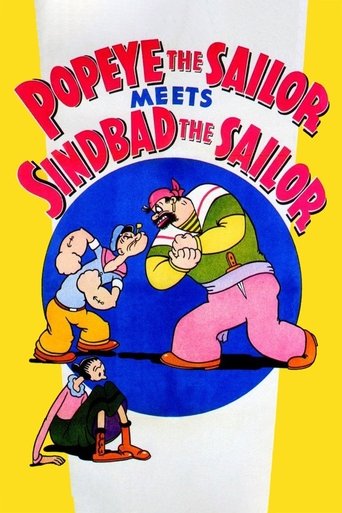
Titles linked here include Minnie the Moocher (1932), Popeye the Sailor Meets Sindbad the Sailor (1936).
When was Mae Questel born and when did she die?
Born September 13, 1908; died January 4, 1998.
What awards did Mae Questel win?
While she didn't win major film awards, Questel received the Winnie Award for Lifetime Achievement in Voice Acting in 1990 and was posthumously recognized with an Annie Award. She also received a star on the Hollywood Walk of Fame for her contributions to voice acting.
What was Mae Questel's acting style?
Questel's acting style was characterized by exceptional vocal versatility and emotional expressiveness. She created distinct, memorable voices for each character, most notably the flapper-esque Betty Boop and the exasperated Olive Oyl, demonstrating remarkable range and comedic timing through voice alone.