

Taking the Blame
"Betty Boop's cat frames Pudgy for every crime."
Keys: Space play/pause · ←/→ 10s · F fullscreen · M mute · </> speed
About this film
Betty brings home a cat as a playmate for her pet puppy, Pudgy. The cat manages to get Pudgy blamed for all his misbehaviour.
Cast & crew
More Animation films
View all →



More from Dave Fleischer
View all →
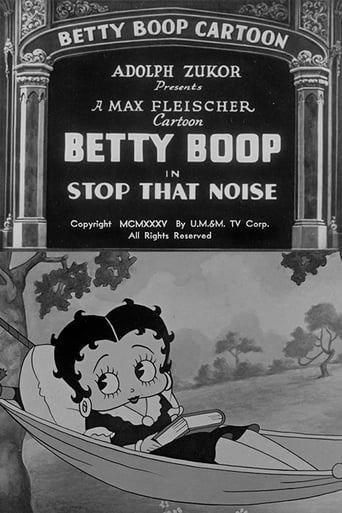

More about this film
About the production
Release dateJuly 26, 1935
ProductionFleischer Studios
Filmed inNew York, New York
This cartoon was produced during the height of the Betty Boop series' popularity and represents one of the later entries before the Production Code enforcement led to significant changes in Betty's character design and personality. The animation highlights the distinctive Fleischer style with its rubber-hose animation technique and surreal gags. The short was created using traditional cel animation with the multiplane camera technique that Fleischer Studios pioneered.
Themes
Innocence vs. GuiltDeception and TruthPet OwnershipJustice and RedemptionTrust and Betrayal
Themes & topics
Historical background
Taking the Blame (1935) reached screens through Fleischer Studios. Exhibitors of the time built studio-era schedules that mixed shorts, features, and live acts, so a clear premise helped Taking the Blame travel between cities and exchange markets.
Why this film matters
Archivists and revival programmers still cite Taking the Blame (1935) when tracing studio habits, casting pools, and the visual rhetoric audiences once took for granted. Even modest surviving prints help map how Taking the Blame fit beside competing releases of its day.
Making of
The production of 'Taking the Blame' took place during a transitional period for Fleischer Studios, as they were adapting to the stricter enforcement of the Motion Picture Production Code. The animators used the studio's trademark rotoscoping technique for some of Betty's movements, though less frequently than in earlier cartoons. The character of Pudgy was animated by Myron Waldman, one of Fleischer's key animators who specialized in animal characters. The cartoon's gags were developed by the studio's story team, which included Isadore Klein and Seymour Kneitel. The musical score was composed by Sammy Timberg, who was the musical director for Fleischer Studios and created many of the memorable tunes for their cartoons.
What critics said
Trade coverage around 1935 discussed Taking the Blame for pacing, clarity, and program fit rather than blockbuster grosses. Later writers value it as evidence of period style and as a reference point beside other films from the same era.
Did you know?
- This is one of the few Betty Boop cartoons to feature Pudgy the puppy as a main character, who would become a more regular fixture in later episodes
- The cat character in this cartoon was designed as an antagonist to showcase Betty's nurturing side and her relationship with her pets
- Mae Questel, the voice of Betty Boop, also voiced many of the other female characters in Fleischer cartoons during this period
- This cartoon was released just as the Hays Code was being strictly enforced, which led to tamer content in Betty Boop cartoons compared to earlier years
- The Fleischer Studios were located in Miami, Florida during this period, though many of their animators and voice actors remained in New York
- The cartoon features the classic 'boop-oop-a-doop' catchphrase that made Betty Boop famous
- Pudgy the puppy was introduced in 1934 and became Betty's sidekick in many later cartoons
- This short was part of the Paramount Pictures distribution deal that Fleischer Studios had from 1929 to 1942
Visual style
The cartoon employs the distinctive Fleischer Studios animation style characterized by rubber-hose animation, where characters have fluid, boneless movements. The visual design features the studio's trademark three-dimensional depth through careful use of shading and perspective. The backgrounds show the urban Art Deco influence typical of Fleischer cartoons, with Betty's home decorated in the popular 1930s style. The animation uses exaggerated expressions and movements to convey emotion, particularly effective in showing Pudgy's innocence and the cat's mischief. The short utilizes the multiplane camera technique that Fleischer pioneered, creating a sense of depth particularly in scenes with multiple characters.
Innovations
This cartoon highlights Fleischer Studios' technical innovations, particularly their pioneering use of the multiplane camera system which allowed for greater depth and dimension in animated scenes. The animation demonstrates advanced character animation techniques for the time, with particularly fluid movement in the cat character's actions. The studio's patented Stereoptical process, which used three-dimensional models as backgrounds, may have been utilized in some scenes to create a more realistic sense of depth. The synchronization of sound and animation represents the technical sophistication achieved by the mid-1930s, with precise timing between voice work, musical cues, and visual gags.
Music
The musical score for 'Taking the Blame' was composed by Sammy Timberg, Fleischer Studios' musical director. The soundtrack features jazz-influenced background music typical of the Betty Boop series, reflecting the character's origins in the jazz age. The cartoon includes several musical cues that enhance the comedic timing of the gags, with stinger notes accompanying the cat's mischievous actions and softer melodies during Pudgy's innocent moments. The sound design incorporates various cartoon sound effects created in the studio, from crash noises to slide whistles, all synchronized with the animation. Mae Questel's voice work as Betty Boop includes her signature 'boop-oop-a-doop' catchphrase, though used more sparingly than in earlier cartoons due to Production Code restrictions.
Famous quotes
Boop-oop-a-doop!
Oh, Pudgy, you bad little puppy!
You naughty kitty!
Memorable scenes
- The opening scene where Betty presents the new cat to Pudgy, showing her nurturing nature; The series of gags where the cat creates chaos while Pudgy looks on innocently; The climactic reveal where Betty discovers the cat's true mischievous nature and apologizes to Pudgy
What audiences thought
The cartoon was well-received by theater audiences in 1935, who appreciated the familiar Betty Boop character and the entertaining cat-and-dog dynamics. Children particularly enjoyed the visual gags and the clear storytelling of blame and redemption. The film's appeal has endured among classic animation enthusiasts and Betty Boop collectors, with the short remaining a favorite among fans who appreciate the character's transitional period. Modern audiences viewing the cartoon on home media and streaming platforms continue to find charm in its simple yet effective storytelling and classic Fleischer animation style.
Film connections
Influenced by
- Felix the Cat cartoons
- Mickey Mouse shorts
- Krazy Kat comics
- Early Disney animation
- Vaudeville comedy routines
This film influenced
- Later Betty Boop cartoons featuring Pudgy
- Tom and Jerry cartoons
- Other cat vs. dog animated shorts
- Popeye cartoons with animal antagonists
Film restoration
The film is preserved and has been digitally restored as part of various Betty Boop collections. It exists in the UCLA Film and Television Archive and has been included in official DVD and Blu-ray releases of Betty Boop cartoons. The original 35mm nitrate prints have been transferred to safety film and digital formats for preservation purposes.
Where to watch
- Available on official Betty Boop DVD collections from Olive Films and Warner Archive
- Streaming on various classic animation platforms
- Available for digital purchase on iTunes and Amazon Prime Video
- Included in some Betty Boop compilation Blu-ray sets