
Is My Palm Read
"Crystal ball — haunted island"
Keys: Space play/pause · ←/→ 10s · F fullscreen · M mute · </> speed
About this film
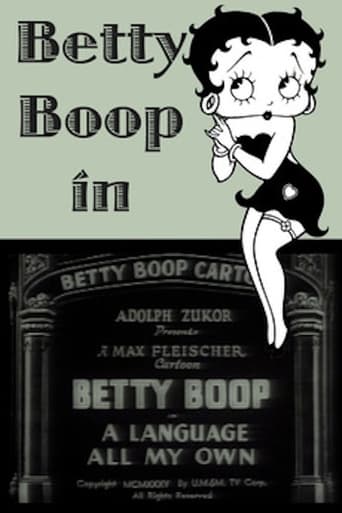
Betty Boop visits psychic Prof. Bimbo, whose crystal ball projects a tropical haunted-island adventure. Fleischer sound cartoon blends palm-reading frame with surreal island gags.
Cast & crew
More films like this
More Horror films
View all →

More from Dave Fleischer
View all →

More about this film
About the production
Release dateJune 2, 1933
ProductionFleischer Studios
Filmed inNew York, New York (Fleischer Studios)
This cartoon was produced during the pre-Code era when Betty Boop cartoons featured more adult themes and risqué content. The animation utilized the Fleischer Studios' trademark rotoscoping technique for some scenes, giving the characters more realistic movement. The haunted island sequence allowed the animators to experiment with surreal imagery and horror elements that would later be toned down after the Hays Code enforcement.
Themes
Supernatural and mysticismEscapismGender representationUrban culture vs. exotic adventureReality vs. fantasy
Themes & topics
Historical background
Is My Palm Read (1933) belongs to Betty Boop's pre-Code peak under Fleischer Studios.
Why this film matters
Bimbo-to-Betty transition and surreal asides define Fleischer's difference from Disney cute aesthetic.
Making of
The production of 'Is My Palm Read' took place at Fleischer Studios in New York City, which was unusual for an animation studio during an era when most were based in California. The cartoon was created using a combination of traditional cel animation and the Fleischer Studios' innovative rotoscoping technique, where live-action footage was traced over to create more realistic character movements. The voice work was performed by Mae Questel, who had developed Betty Boop's distinctive voice based on the popular 'baby talk' style of Helen Kane. The haunted island sequence was particularly challenging for the animators, as it required creating atmospheric backgrounds and supernatural effects that were technically demanding for the time. The cartoon's jazz soundtrack was typical of Fleischer Studios' productions, reflecting the urban, modern sensibility that made Betty Boop popular with adult audiences.
What critics said
Audiences enjoyed risqué humor; later television prints often trimmed suggestive elements.
Did you know?
- This was one of the early Betty Boop cartoons to feature her in a horror-themed setting, showcasing the character's versatility beyond typical musical numbers.
- Professor Bimbo was a recurring character in early Betty Boop cartoons, often serving as a magical or mystical figure.
- The cartoon was released just months before the Hays Code began to be strictly enforced, making it one of the last Betty Boop shorts to feature more adult-oriented content.
- Mae Questel, who voiced Betty Boop, was only 17 years old when she first started voicing the character in 1930.
- The crystal ball sequence allowed animators to create surreal, dreamlike imagery that pushed the boundaries of animation techniques of the time.
- Fleischer Studios was known for their urban, jazz-age aesthetic which is evident in this cartoon's opening scenes.
- The haunted island setting was inspired by popular adventure and horror films of the early 1930s.
- This cartoon features one of the earliest uses of the 'vision in a crystal ball' trope in animation.
Visual style
The visual style of 'Is My Palm Read' features the distinctive Fleischer Studios aesthetic characterized by fluid, rubbery animation and surreal imagery. The cartoon employs strong contrast lighting in the horror sequences, creating dramatic shadows that enhance the spooky atmosphere. The crystal ball scenes utilize innovative special effects for the time, including distorted perspectives and magical transitions. The animation style combines realistic movement through rotoscoping with exaggerated cartoon physics, creating a unique visual language. The color palette, while limited by the technology of the time, uses moody blues and purples in the horror sequences contrasted with brighter tones in the opening scenes.
Innovations
The cartoon demonstrates several technical innovations for its time, including the use of rotoscoping to create more realistic character movements. The crystal ball effects required complex animation techniques to create the illusion of a magical, three-dimensional space within a two-dimensional medium. The film features the Fleischer Studios' pioneering work with multiplane camera effects, creating depth in the haunted island sequences. The synchronization of complex jazz music with character animation was technically challenging for the period and represents an important advancement in animated storytelling. The seamless transitions between reality and fantasy sequences demonstrated sophisticated editing techniques that pushed the boundaries of what was possible in early animation.
Music
The cartoon features a jazz-influenced score typical of Fleischer Studios productions, reflecting the urban, modern sensibility of Betty Boop cartoons. The music includes popular jazz standards of the era adapted for the animated context, with syncopated rhythms that complement the character's movements. The sound design incorporates various effects for the supernatural elements, including eerie echoes and mysterious tones during the crystal ball sequence. Mae Questel's voice work as Betty Boop includes her signature scat singing and baby talk style that became synonymous with the character. The soundtrack exemplifies how early cartoons used music not just as background but as an integral part of the storytelling and character development.
Famous quotes
Professor Bimbo: 'Cross my palm with silver and I'll tell your fortune!'
Betty Boop: 'Ooh, a haunted island! How exciting!'
Memorable scenes
- The crystal ball sequence where Betty sees herself on the haunted tropical island, featuring surreal transitions and atmospheric horror elements that showcase the Fleischer Studios' unique animation style and technical innovation.
What audiences thought
Audiences in 1933 responded positively to 'Is My Palm Read,' as it provided both entertainment and escapism during difficult economic times. Betty Boop was extremely popular with adult audiences who appreciated her sophisticated humor and jazz-age sensibility. The horror elements, while potentially frightening to very young viewers, added excitement and novelty that appealed to the broader audience. The cartoon's blend of comedy, music, and mild horror was considered innovative and helped establish Betty Boop as especially popular animated characters of the early 1930s. Modern audiences and animation enthusiasts continue to appreciate the cartoon for its historical significance and artistic merits.
Film connections
Influenced by
- German Expressionist horror films
- Jazz age culture
- Surrealist art movement
- Popular fortune-telling tropes
- Adventure serials
This film influenced
- Later Betty Boop cartoons with supernatural themes
- Merrie Melodies horror-comedy shorts
- Modern animated works blending horror and comedy
Film restoration
The film has been preserved and is part of the Betty Boop collection maintained by various animation archives. It has been restored and released on home video collections of Betty Boop cartoons. The original film elements are held in animation archives and have been digitized for preservation purposes.
Where to watch
- Available on various Betty Boop DVD collections
- Streaming on animation specialty platforms
- Public domain versions available on internet archive sites
- Included in Fleischer Studios retrospective collections