

Time on My Hands
"Time on My Hands (1931)"
Keys: Space play/pause · ←/→ 10s · F fullscreen · M mute · </> speed
About this film
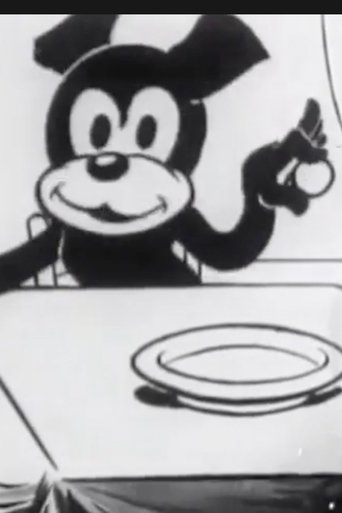
In this surrealist entry, a fisherman deals with rebellious worms; a diver flirts with a Betty Boop-like mermaid who becomes Ethel Merman, singing the title song in live-action with a Bouncing Ball.
Cast & crew
More films like this
More Animation films
View all →




More from Dave Fleischer
View all →

More about this film
About the production
Release dateDecember 12, 1931
ProductionFleischer Studios
Filmed inNew York, New York
This short represents one of Fleischer Studios' early experiments with combining animation and live-action, a technique they would later perfect in films like 'Gulliver's Travels' (1939). The Bouncing Ball technique, invented by Max Fleischer, was used to help audiences sing along with the musical numbers. The film was produced during the transition period from silent to sound animation, showcasing the studio's commitment to musical content.
Themes
Surrealism and dream logicTransformation and metamorphosisMusical entertainment and audience participationThe battle between order and chaosUrban sophistication and jazz culture
Themes & topics
mermaidfishermanlive-action animationbouncing ballsurrealismmusicalBetty BoopEthel Mermanunderwatertransformation
Historical background
Time on My Hands (1931) emerged during the studio-system peak and early sound decades, when exhibition habits and national film industries were still taking shape.
Why this film matters
Time on My Hands remains accessible through digital archives, giving modern viewers a direct link to 1931 screen culture.
Making of
The production of 'Time on My Hands' exemplified Fleischer Studios' experimental approach to animation during the early sound era. The studio, operating from their New York studios, was known for pushing technical boundaries, and this short was no exception. The live-action segments with Ethel Merman required careful synchronization between the animated elements and the live performer, a complex process for the time. The Bouncing Ball sequences involved projecting the film frame by frame and animating the ball's movement to match the musical tempo. Mae Questel, who had recently become the official voice of Betty Boop, recorded her lines in the primitive sound recording facilities available in 1931. The surrealist elements, particularly the rebellious worms sequence, reflected the influence of European surrealism on American animation during this period. The animators at Fleischer were given considerable creative freedom, resulting in the bizarre dreamlike quality that distinguished their work from Disney's more refined style.
What critics said
Modern write-ups on Time on My Hands (1931) tend to focus on preservation status, stylistic choices, and placement within director or studio filmographies.
Did you know?
- This was one of the earliest Betty Boop cartoons to feature live-action segments, predating more famous examples like 'Out of the Inkwell' series.
- Ethel Merman's appearance marked one of her earliest film performances, before she became a Broadway legend.
- The Bouncing Ball technique was patented by Max Fleischer in 1925 and became a signature element of Fleischer Studios' early sound cartoons.
- Mae Questel provided the voice for the Betty Boop-like mermaid character, though she was uncredited as voice actors often were in early animation.
- The film was released during the Great Depression, when musical entertainment was particularly popular as escapism for struggling audiences.
- Dave Fleischer directed this during the peak of Betty Boop's popularity, when the character was known for her jazz baby flapper persona.
- The rebellious worms segment showcases the surreal, sometimes grotesque humor that characterized early Fleischer cartoons.
- This short was part of Paramount's 'Talkartoons' series, which eventually evolved into dedicated Betty Boop cartoons.
- The integration of live-action and animation was particularly innovative for 1931, predating Disney's more famous 'The Three Caballeros' (1944) by over a decade.
- The title song 'Time on My Hands' was a popular standard of the era, written by Vincent Youmans, Harold Adamson, and Edward Heyman.
Visual style
The visual style of 'Time on My Hands' exemplifies the distinctive Fleischer Studios aesthetic of the early 1930s. The animation employed the studio's characteristic 'rubber hose' style, with characters featuring flexible, boneless limbs that could stretch and bend in impossible ways. The underwater sequences utilized subtle color tints, as was common in early cartoons before full three-strip Technicolor became standard. The integration of live-action footage required careful matting and compositing techniques that were innovative for their time. The Bouncing Ball animation demonstrated precise timing and synchronization skills, as the animated element had to match exactly with the musical tempo. The surrealist sequences, particularly with the rebellious worms, showcased the animators' ability to create bizarre, dreamlike imagery that pushed the boundaries of conventional cartoon humor. The visual gags and transitions between scenes employed creative metamorphosis techniques that became a Fleischer trademark.
Innovations
The film's most significant technical achievement was the seamless integration of live-action footage with traditional animation, a process that required careful planning and execution in 1931. The Bouncing Ball technique, patented by Max Fleischer, represented an innovative approach to audience participation and educational entertainment. The film demonstrated advanced synchronization between audio and visual elements, particularly challenging given the primitive recording equipment available at the time. The underwater sequences required special animation techniques to create the illusion of movement through water, including the use of ripple effects and bubble animations. The metamorphosis sequences, where characters and objects transform into one another, showcased the animators' technical skill and creativity. The film also employed early special effects techniques to create the surreal visual gags that distinguished Fleischer Studios' work from their competitors.
Music
The soundtrack for 'Time on My Hands' centers around the title song 'Time on My Hands,' a popular standard from 1930 composed by Vincent Youmans with lyrics by Harold Adamson and Edward Heyman. The song is performed by Ethel Merman in her distinctive Broadway style, showcasing the powerful voice that would make her a theater legend. The musical score incorporates typical early 1930s jazz arrangements, reflecting the urban sophistication that characterized Fleischer Studios' productions. The Bouncing Ball segments required precise musical timing to synchronize the animated element with the lyrics. The sound effects, created using early recording techniques, include exaggerated cartoon noises that enhance the surreal humor. Mae Questel's voice work as the mermaid character employs the distinctive Betty Boop vocal style that combined childlike innocence with flapper-era sexuality. The overall musical approach reflects the transition period of early sound animation, where synchronized sound was still a novel and exciting technological achievement.
Famous quotes
Time on my hands, you in my arms, nothing but love in view" - Sung by Ethel Merman
I've got time on my hands, and what am I gonna do?" - Chorus from title song
Memorable scenes
- The opening sequence with the fisherman battling rebellious worms that refuse to stay on his hook
- The underwater encounter between the diver and the Betty Boop-like mermaid
- The transformation of the animated mermaid into live-action Ethel Merman
- The Bouncing Ball sequence inviting audience participation in singing the title song
- The surreal metamorphosis gags throughout the short
What audiences thought
Audiences in 1931 responded positively to 'Time on My Hands,' particularly enjoying the novelty of the Bouncing Ball sing-along segments and the appearance of Ethel Merman, who was gaining fame as a Broadway performer. The surreal humor and visual gags resonated with Depression-era audiences seeking lighthearted entertainment. The Betty Boop character, even in mermaid form, was extremely popular during this period, contributing to the short's appeal. Modern audiences encountering the film through classic animation festivals and home video releases often express fascination with the experimental techniques and the distinctive pre-Code content that would later be censored. The film serves as a time capsule of early 1930s popular culture, with its jazz music, flapper aesthetics, and surreal humor offering insight into the entertainment preferences of the era.
Film connections
Influenced by
- European surrealist art
- Jazz age culture
- Broadway musical theater
- Early sound film experiments
- Max Fleischer's technical innovations
This film influenced
- Later Fleischer Studios hybrid animations
- Disney's 'The Three Caballeros'
- Modern animated music videos
- Sing-along cartoons and educational films
Film restoration
The film exists in the UCLA Film and Television Archive and has been preserved as part of the Fleischer Studios collection. Several public domain versions are available online, though quality varies. The film has been included in various Betty Boop DVD compilations, though some versions may be missing the original Paramount credits.
Where to watch
- Public domain archives like Internet Archive
- Various Betty Boop DVD collections from distributors like Olive Films
- Classic animation streaming services specializing in public domain content
- YouTube (public domain uploads)