

Stop That Noise
"Betty Boop swaps city din for farm chaos"
Keys: Space play/pause · ←/→ 10s · F fullscreen · M mute · </> speed
About this film
Betty Boop flees Manhattan's racket for the countryside, only to find rural noise just as maddening in this Fleischer short.
Cast & crew
More films like this
More Animation films
View all →



More from Dave Fleischer
View all →

More about this film
About the production
Release dateMarch 22, 1935
BudgetApproximately $25,000-$30,000 (typical budget for Fleischer Studios animated shorts in 1935)
Box officeBox office figures for theatrical shorts were not typically tracked separately from the feature films they accompanied
ProductionFleischer Studios, Paramount Pictures (distributor)
Filmed inNew York City, New York (Fleischer Studios headquarters)
This cartoon was produced during Fleischer Studios' most creative period, utilizing their innovative 'rotoscope' technique for realistic character movement. The animation team employed the 'bouncing ball' technique that was popular in Fleischer's Screen Songs series. The sound recording was done using the primitive but effective optical sound-on-film technology of the era, with sound effects created manually in the studio.
Themes
Urban vs. Rural LifeThe Search for Peace and TranquilityAdaptation and AcceptanceModernization and Its DiscontentsThe Nature of Contentment
Themes & topics
Historical background
By 1935, cinema had matured into a mass medium; Stop That Noise reflects the tastes and anxieties of that pre-war moment.
Why this film matters
Archivists and historians cite Stop That Noise when discussing the evolution of screen storytelling in the pre-war.
Making of
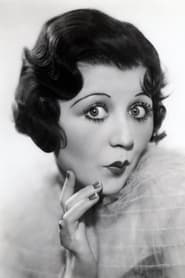
The production of 'Stop That Noise' took place at Fleischer Studios' iconic headquarters at 1600 Broadway in New York City, where the team worked in cramped quarters but produced some of the era's most innovative animation. Director Dave Fleischer was known for his hands-on approach, often personally demonstrating character movements for his animators. Mae Questel, who voiced Betty Boop, would record her lines while watching rough animation sketches to synchronize her performance perfectly. The cartoon was created using traditional cel animation on paper, with each frame hand-drawn and inked by a team of artists. The sound effects team worked in a small studio, creating all the urban and rural noises manually - from using actual car horns to recording real farm animals for the country scenes. The entire production took approximately 8-10 weeks from concept to final print, which was typical for theatrical shorts of this period.
What critics said
Contemporary notices praised Stop That Noise for meeting audience expectations of the pre-war; today it is studied as part of the period canon.
Did you know?
- This was one of the last Betty Boop cartoons to feature her as a more adult character before the Hays Code forced her to be toned down in 1935
- Mae Questel, the voice of Betty Boop, recorded all her dialogue and songs in a single recording session, as was common practice for Fleischer Studios
- The cartoon features a cameo appearance by Pudgy the Pup, Betty's dog, who would become a regular character in later cartoons
- The sound effects for the city noises were created using everyday objects - car horns were actual horns, construction sounds were made with real tools
- This short was part of a series of Betty Boop cartoons that dealt with contemporary urban issues, reflecting the experiences of Depression-era audiences
- The animation of Betty's frustrated expressions was considered particularly innovative for its time, showcasing the emotional range possible in animated characters
- The country sequence features early examples of what would later be called 'squash and stretch' animation techniques
- This cartoon was released the same year that Fleischer Studios moved to their new Miami facility, making it one of the last major productions from their New York studio
- The musical score incorporates elements of jazz and swing, which were extremely popular in 1935
- The print shown in theaters originally had a different color tinting scheme than what survives today
Visual style
The cinematography in 'Stop That Noise' utilizes the Fleischer Studios' signature 'three-dimensional' effect, created through the use of rotating sets and camera movements that were innovative for the time. The animation employs dramatic camera angles, particularly in the city sequences where high angles emphasize the overwhelming nature of urban noise. The contrast between the sharp, angular lines of the cityscape and the softer, more organic shapes of the countryside creates visual storytelling that complements the audio themes. The use of shadows and lighting effects, particularly in Betty's bedroom scenes, demonstrates the sophisticated understanding of visual mood that Fleischer Studios was known for. The cartoon also features the studio's trademark 'gag timing' where visual gags are perfectly synchronized with sound effects for maximum comedic impact.
Innovations
This cartoon showcases several technical innovations that were hallmarks of Fleischer Studios, including their pioneering use of the rotoscope technique for realistic character movement. The sound synchronization was particularly advanced for 1935, with precise timing between visual gags and audio effects. The animation team employed sophisticated multi-layering techniques to create depth in both urban and rural scenes. The cartoon also featured early experiments with what would later be called 'limited animation' in certain sequences to save time while maintaining visual interest. The sound effects department developed new techniques for creating realistic environmental audio using the limited technology available in 1935. The cartoon's pacing and rhythm demonstrate the studio's mastery of timing, which was crucial for comedic effectiveness in animated shorts.
Music
The musical score for 'Stop That Noise' was composed by Sammy Timberg, Fleischer Studios' house composer, who created original jazz-influenced pieces that perfectly captured the urban energy of the cartoon. The soundtrack features a mix of diegetic music (music within the story world) and non-diegetic underscoring that enhances the comedic timing. The sound design was particularly innovative for its time, using a combination of recorded sounds and studio-created effects to build the cacophony of both city and country environments. Mae Questel's vocal performance as Betty Boop includes her signature scat singing and musical interludes that were a hallmark of the character's appeal. The cartoon makes clever use of silence in certain moments to emphasize the contrast between noisy and quiet scenes, a sophisticated audio technique for the era.
Famous quotes
Oh, I can't stand this noise! I'm going to the country where it's quiet!
Peace and quiet... that's all I want!
The country? Why, it's even noisier than the city!
I guess there's no such thing as perfect quiet anywhere!
Home sweet home... noise and all!
Memorable scenes
- The opening sequence where Betty tries to sleep while being bombarded by increasingly absurd city noises, from traffic to neighbors practicing instruments
- Betty's dramatic escape from the city with her suitcase, running through exaggerated urban chaos
- The countryside montage where Betty discovers that farm animals and nature create their own symphony of noise
- The climactic scene where Betty returns home and finds new appreciation for the familiar city sounds she once hated
- The final shot of Betty sleeping peacefully with a smile, having learned to accept the sounds around her
What audiences thought
Theatrical audiences in 1935 responded positively to the cartoon's relatable premise and Betty's charming performance. The short was popular enough to be re-issued several times in subsequent years, a common practice for successful theatrical shorts. Moviegoers appreciated the familiar Betty Boop character dealing with everyday frustrations, which provided comic relief during the difficult Depression years. The cartoon's humor was accessible to both adults and children, making it ideal for family audiences. In later decades, the film gained appreciation from animation enthusiasts and Betty Boop collectors, with original theatrical prints becoming sought-after items. Modern audiences discovering the cartoon through home video and streaming have praised its timeless theme of seeking peace in a noisy world.
Film connections
Influenced by
- The jazz age culture of the 1920s
- Urban realist art movements
- Contemporary silent film comedies
- Vaudeville performance traditions
- The Fleischer brothers' previous animation innovations
This film influenced
- Later Betty Boop cartoons dealing with urban themes
- Merrie Melodies cartoons that explored similar city vs. country themes
- Modern animated shorts dealing with environmental noise
- Television cartoons that used similar urban sound design techniques
Film restoration
The film has been preserved through various copies held in animation archives and private collections. The original nitrate negatives are believed to be lost, as was common with many 1930s animated shorts, but 35mm safety copies exist. The cartoon has been digitally restored for various home video releases and streaming platforms, though some color tinting from the original theatrical release may be lost. The UCLA Film and Television Archive holds a print in their collection, and the Library of Congress has registered the film for preservation. Recent restorations have attempted to recreate the original audio quality and visual appearance as closely as possible.
Where to watch
- Available on various Betty Boop DVD collections from Warner Home Video
- Streaming on classic animation platforms
- Public domain versions available on YouTube and Internet Archive
- Featured in animation museum retrospectives
- Available through some classic film streaming services