

Quack-a Doodle-Doo
"Only his mother loves the clumsy duckling Baby Huey."
Keys: Space play/pause · ←/→ 10s · F fullscreen · M mute · </> speed
About this film
His Mama is the only one who love Baby Huey, an overgrown clumsy ugly duckling. The other Mamas and their broods shun him like the plague and make his little life miserable. But when a ferocious fox attacks the barnyard, Huey comes to the rescue of one and all. Huey is a hero basking in his new-found popularity.
Cast & crew
More Animation films
View all →


More from Izzy Sparber
View all →

More about this film
About the production
Release dateMarch 10, 1950
Box officeNot tracked separately as a theatrical short - released as part of Paramount's cartoon package
ProductionFamous Studios, Paramount Pictures
Filmed inNew York, New York (Famous Studios animation facilities)
This was one of the early Baby Huey cartoons, helping establish the character's core traits of being a giant, naive duckling with superhuman strength. The animation was produced using traditional cel animation techniques with limited animation common for the era to control costs. The character design emphasized Huey's size contrast with normal ducklings for comedic effect.
Themes
Acceptance and belongingInner strength vs. appearanceMaternal love and protectionUnderdog triumphCommunity and prejudice
Themes & topics
Historical background
Released in 1950, Quack-a Doodle-Doo reached audiences during mid-century cinema, when exhibition and production norms differed sharply from today's.
Why this film matters
Quack-a Doodle-Doo remains viewable through digital archives, preserving 1950 screen culture for modern audiences.
Making of
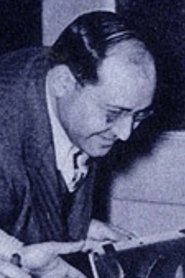
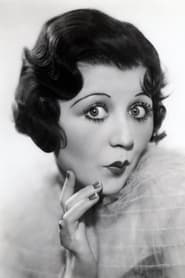
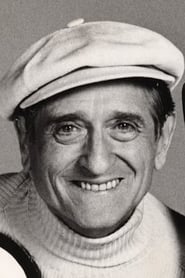
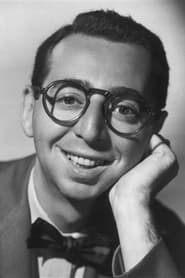
The production of 'Quack-a-Doodle-Doo' took place at Famous Studios' New York facilities, where the team worked to establish Baby Huey as a new star character. Director Izzy Sparber, a veteran animator who had worked with Fleischer Studios since the 1930s, guided the creative direction. The voice recording sessions featured Mae Questel bringing maternal warmth to Mama Duck, while Sid Raymond provided the distinctive booming voice for Baby Huey. The animation team focused on creating visual comedy through the extreme size contrast between Huey and the other characters. The fox character was designed with the classic sly predator archetype but given exaggerated movements for comedic effect. The storyboard process emphasized the emotional journey from rejection to acceptance, with Huey's heroic moment serving as the cathartic climax.
What critics said
Modern notes on Quack-a Doodle-Doo emphasize preservation, stylistic choices, and its place within director or studio filmographies.
Did you know?
- Baby Huey was created by Martin Taras for Famous Studios and first appeared in 1949 in 'Quack-a-Doodle-Doo' was his second cartoon appearance
- The character was partially inspired by the 'Ugly Duckling' fairy tale but subverted by making Huey powerful despite his clumsiness
- Mae Questel, who voiced Mama Duck, was also the famous voice of Betty Boop and Olive Oyl
- Jack Mercer, who provided additional voices, was best known as the voice of Popeye the Sailor
- The fox antagonist in this cartoon follows the tradition of crafty fox characters in animation, similar to Disney's Pinocchio fox
- Baby Huey's design was intentionally simple with a baby bonnet and diaper to emphasize his infant-like nature despite his giant size
- This cartoon was released during the Golden Age of American Animation when theatrical shorts were a standard part of movie theater programming
- The success of Baby Huey led to a series of 26 cartoons featuring the character between 1949 and 1959
- Famous Studios was the successor to Fleischer Studios and produced cartoons for Paramount Pictures
- The character's catchphrase 'I'm a big boy!' was established in early cartoons like this one
Visual style
The visual style of 'Quack-a-Doodle-Doo' employs the limited animation techniques common to Famous Studios productions of the era, with careful use of repeating cycles and held drawings to control production costs. The cinematography emphasizes scale contrast through low-angle shots when showing Baby Huey's size and high-angle shots to establish the barnyard setting. The color palette uses warm, inviting tones for the farm setting with strategic use of red for the fox to signal danger. Character animation focuses on expressive faces and exaggerated physical comedy, particularly in Huey's clumsy movements and the fox's sneaky mannerisms.
Innovations
While 'Quack-a-Doodle-Doo' didn't introduce groundbreaking technical innovations, it demonstrated effective use of limited animation techniques to create engaging entertainment within budget constraints. The animation team skillfully employed smear frames and speed lines to enhance the impact of physical comedy. The character animation of Baby Huey required careful attention to weight and mass to convincingly portray his giant size while maintaining cartoon flexibility. The sound synchronization between voice work and animation was particularly effective in conveying Huey's character through both visual and audio cues.
Music
The musical score was composed by Winston Sharples, Famous Studios' resident composer who created music for hundreds of their cartoons. The soundtrack features playful, whimsical melodies that underscore the comedy, with more dramatic, tension-building music during the fox attack sequence. The audio design includes classic cartoon sound effects exaggerated for comedic impact, from squeaks and boings to the crash of Huey's large body. The voice work by Mae Questel and Sid Raymond creates distinct character personalities through vocal tone and timing, with Huey's deep, booming voice contrasting with the higher-pitched ducks.
Famous quotes
'I'm a big boy!' - Baby Huey's characteristic declaration
'My poor baby!' - Mama Duck's protective refrain
'He may be big, but he's just a baby!' - Mama Duck defending Huey
Memorable scenes
- The opening sequence establishing Baby Huey's giant size compared to normal ducklings, the emotional moment when Huey is rejected by the other mothers and their broods, the tense fox attack sequence with Huey's heroic intervention, the final celebration where Huey is finally accepted as a hero
What audiences thought
Theatrical audiences in 1950 responded positively to Baby Huey's debut, leading to the character becoming a recurring series. Children particularly connected with Huey's innocence and the satisfying hero moment at the conclusion. The cartoon's straightforward narrative and visual comedy made it accessible to all ages. In subsequent decades, Baby Huey maintained a nostalgic appeal for baby boomers who grew up with the theatrical shorts and later television reruns. The character's underdog-to-hero story continues to resonate with modern audiences when the cartoons are screened at animation festivals or released on home media.
Film connections
Influenced by
- The Ugly Duckling fairy tale by Hans Christian Andersen
- Classic predator-prey cartoon tropes
- Gentle giant character archetype
- Famous Studios' established animation style
This film influenced
- Subsequent Baby Huey cartoons (1950-1959)
- Later gentle giant characters in animation
- Famous Studios' character development approach
Film restoration
The original film elements are preserved in the Paramount Pictures archive and various animation collections. The cartoon has been digitally restored for home video releases and is available on various public domain compilation DVDs due to lapsed copyright on some Famous Studios material.
Where to watch
- Available on various public domain animation compilation DVDs
- Streaming on classic animation services like The Cartoon Archive
- YouTube through official animation channels
- Included in Baby Huey collection releases from boutique DVD labels