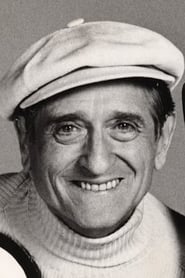
Jack Mercer
Actor
Born: January 13, 1910 in Brooklyn, New York, USA Died: July 4, 1984 Active: 1932-1984 Birth Name: Jack Winston Mercer
Films
32 films
Popeye the Sailor Meets Sindbad the Sailor
1936
No! No! A Thousand Times No!!
1935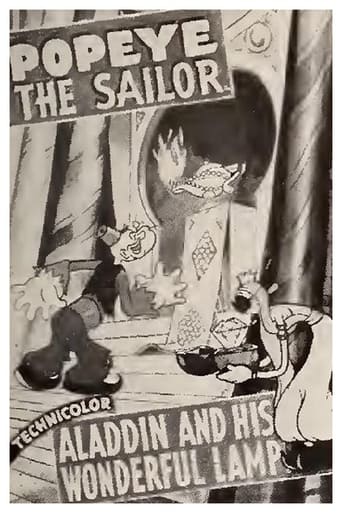
Aladdin and His Wonderful Lamp
1939
Popeye the Sailor Meets Ali Baba's Forty Thieves
1937
Judge for a Day
1935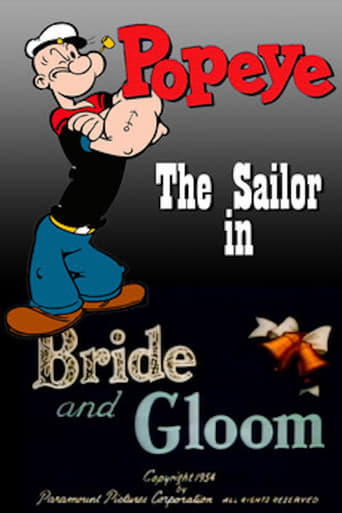
Bride and Gloom
1954
Base Brawl
1948
Saved by the Bell
1950
Naughty But Mice
1947
The Seapreme Court
1954
Pest Pupil
1957
Quack-a Doodle-Doo
1950
Crazytown
1954No Poster
Spree for All
1946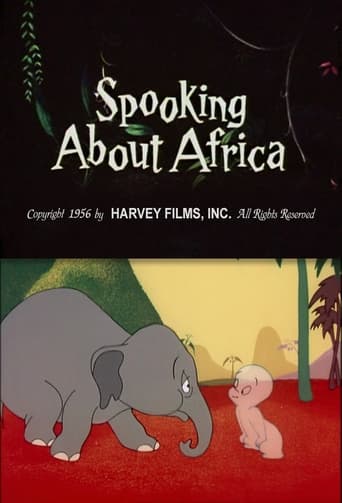
Spooking About Africa
1957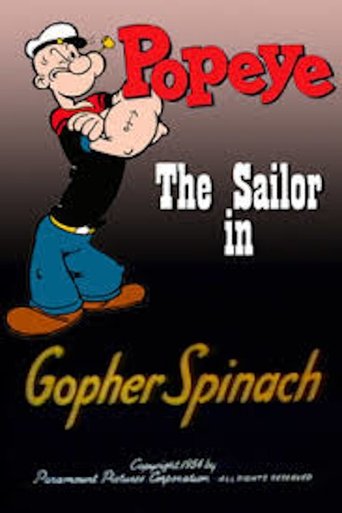
Gopher Spinach
1954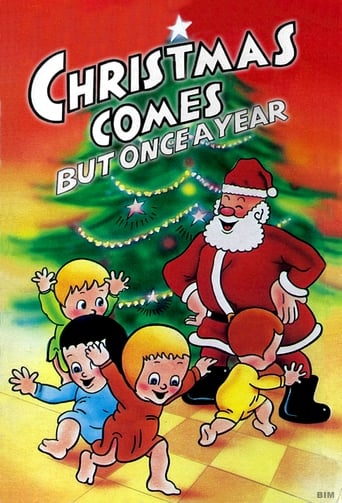
Christmas Comes But Once a Year
1936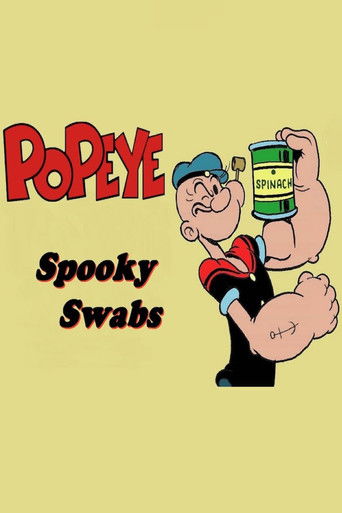
Spooky Swabs
1957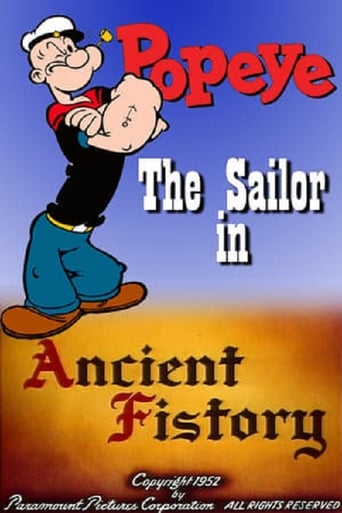
Ancient Fistory
1953
Superman
1941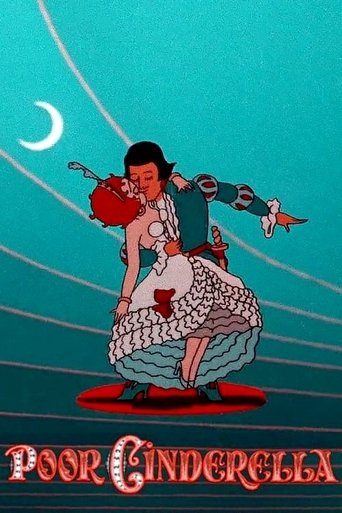
Poor Cinderella
1934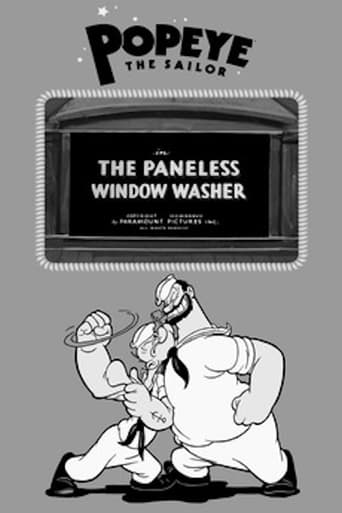
The Paneless Window Washer
1937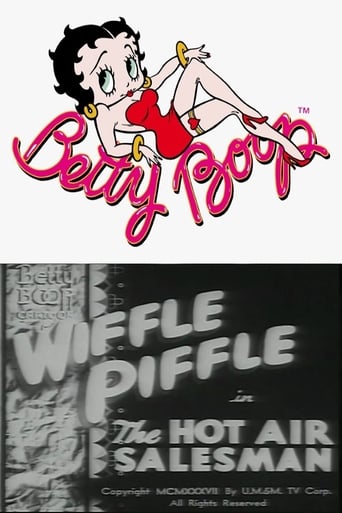
The Hot Air Salesman
1937
Swing Cleaning
1941
Little Swee'pea
1936
A Date to Skate
1938
Insect to Injury
1956
I Never Changes My Altitude
1937
Popeye for President
1956
A Haul in One
1956
Customers Wanted
1939About Jack Mercer
Voice actor and animator who became immortalized as the voice of Popeye the Sailor. Born in Brooklyn in 1910, Mercer began his career as an inbetweener animator at Fleischer Studios in the early 1930s. His breakthrough came in 1935 when he was chosen to replace William Costello as the voice of Popeye after Costello's firing, a role he would perfect and make his own for over four decades. Mercer revolutionized voice acting by creating Popeye's distinctive mumbled, under-the-breath asides and unique vocal patterns that became the character's trademark. Beyond Popeye, he voiced numerous other characters including J. Wellington Wimpy, Bluto (occasionally), and the Sea Hag, showcasing his remarkable vocal versatility. After Fleischer Studios' bankruptcy in 1942, Mercer continued his Popeye work at Famous Studios and later for Hanna-Barbera television productions. His the golden age of theatrical animation through the television era, making him prolific and influential voice actors of his time. Mercer passed away in 1984, leaving behind a legacy that voice actors and animators to this day.
The Craft
On Screen
Mercer's voice acting style was characterized by his innovative use of mumbled asides and distinctive vocal mannerisms. He created Popeye's unique speech pattern of muttering comments under his breath, a technique that added depth and humor to the character. His approach was naturalistic yet exaggerated, using a gravelly, Brooklyn-inflected voice that perfectly captured Popeye's tough but lovable nature. Mercer could switch between Popeye's normal speaking voice and his famous mumbled asides seamlessly, often improvising the latter. His vocal work was groundbreaking in that it established a new standard for cartoon voice acting, moving away from the theatrical style of earlier animation toward more nuanced, character-driven performances.
Milestones
- Became the official voice of Popeye in 1935
- Created Popeye's famous mumbled speech patterns
- Voiced Popeye in over 200 theatrical cartoons
- Worked at Fleischer Studios, Famous Studios, and Hanna-Barbera
- Continued voicing Popeye into the 1970s for television specials
- Also voiced multiple supporting characters in Popeye cartoons
- Transitioned successfully from theatrical to television animation
- Became one of the first voice actors to achieve celebrity status
Best Known For
Iconic Roles
Must-See Films
Accolades
Won
- Winnie Award for Voice Acting (1974)
- Animation Guild Golden Award (1979)
- Inkpot Award (1982)
Nominated
- Academy Award nomination for Best Short Subject (Cartoon) - Popeye the Sailor Meets Sindbad the Sailor (1937)
- Academy Award nomination for Best Short Subject (Cartoon) - Popeye the Sailor Meets Ali Baba's Forty Thieves (1938)
Special Recognition
- Hollywood Walk of Fame Star (1980)
- Inducted into the Voice Actors Hall of Fame
- Annie Award for Lifetime Achievement (posthumous, 1985)
- International Animated Film Association Lifetime Achievement Award (1983)
Working Relationships
Worked Often With
Studios
Why They Matter
Impact on Culture
Jack Mercer's portrayal of Popeye the Sailor fundamentally shaped American popular culture and established Popeye as. His vocal performance created a cultural icon that transcended animation, influencing everything from merchandise to military recruitment posters during World War II. Popeye's catchphrases and mannerisms, all perfected by Mercer, became part of the American lexicon. The character's emphasis on spinach consumption reportedly increased spinach consumption in the United States by 33% during the height of Popeye's popularity. Mercer's work helped establish voice acting as a legitimate and respected profession in the entertainment industry, paving the way for future voice actors to receive recognition for their craft.
Lasting Legacy
Jack Mercer's legacy as the definitive voice of Popeye endures decades after his death, with his recordings still being used in Popeye media and his vocal style studied by voice actors worldwide. His innovative techniques in voice acting, particularly the use of mumbled asides and character-specific vocal patterns, became standard practices in animation voice work. Mercer's Popeye remains. The character he helped create continues to generate millions in licensing revenue annually, testament to the lasting appeal of Mercer's interpretation. His work preserved in the Library of Congress and studied by animation historians, Mercer is remembered as a pioneer who elevated voice acting from a technical necessity to an art form.
Who They Inspired
Jack Mercer revolutionized voice acting by introducing naturalistic character voices and improvisational techniques that became industry standards. His work directly influenced generations of voice actors including Mel Blanc, Daws Butler, June Foray, and later voice actors like Billy West and Tom Kenny. Mercer's approach of creating unique vocal mannerisms for each character established the template for modern voice acting in animation. His success demonstrated that voice actors could become celebrities in their own right, helping elevate the profession's status. Many contemporary voice actors cite Mercer's Popeye as a primary influence on their decision to enter voice acting, and his techniques continue to be taught in voice acting workshops and animation schools worldwide.
Off Screen
Jack Mercer married twice during his lifetime. His first marriage was to Margie Hines, who was the original voice of Olive Oyl in the early Popeye cartoons. The couple worked together on several Popeye shorts before divorcing. His second marriage was to Virginia Mercer, with whom he remained until his death. Mercer was known for his humble demeanor and dedication to his craft, often working long hours to perfect Popeye's voice. Despite his fame, he maintained a relatively private personal life and was respected by colleagues for his professionalism and kindness.
Education
Attended local schools in Brooklyn, New York. No formal college education; learned animation through on-the-job training at Fleischer Studios.
Family
- Margie Hines (1939-1942)
- Virginia Mercer (1944-1984)
Did You Know?
- Mercer improvised many of Popeye's famous mumbled asides during recording sessions
- He was originally hired as an animator, not a voice actor
- Mercer continued voicing Popeye until just months before his death in 1984
- He voiced Popeye in over 200 theatrical cartoons and numerous television specials
- Mercer's first voice role was actually as a pig in a Betty Boop cartoon
- He created Popeye's famous laugh ('Ah-gah-gah-gah-gah-gah!')
- During World War II, Mercer's Popeye was featured in military recruitment materials
- Mercer also wrote scripts for several Popeye cartoons in addition to voicing characters
- His wife Margie Hines was the original voice of Olive Oyl, making them animation's first voice-acting power couple
- Mercer's Popeye was the first animated character to have a star on the Hollywood Walk of Fame
- He once estimated he had said 'I yam what I yam' over 10,000 times during his career
- Mercer's distinctive Popeye voice was so convincing that fans often asked him to eat spinach in public
In Their Own Words
"I yam what I yam and that's all that I yam!" - Popeye's signature catchphrase as voiced by Mercer
"Well blow me down!" - Another iconic Popeye line perfected by Mercer
"I've had all I can stands, and I can't stands no more!" - Popeye's battle cry as delivered by Mercer
On creating Popeye's voice: 'I just tried to make him sound like a real sailor from Brooklyn who'd seen too much salt water'", "On voice acting: 'You're not just reading lines, you're creating a living, breathing character that people will love'" ],
controversies
No significant controversies were associated with Jack Mercer during his career. He was widely respected in the animation industry for his professionalism and talent.
externalLinks
faq