
Crazytown
"Firemen spray flames; fish catch the anglers."
Keys: Space play/pause · ←/→ 10s · F fullscreen · M mute · </> speed
About this film
A Famous Studios Noveltoon tours Crazy Town through reversal gags: firefighters spray fire instead of water, fish hook fishermen, storks deliver parents to babies, and people walk the roadway while automobiles use the sidewalks. Isadore Sparber strings these inverted routines into a six-minute spot cartoon with no conventional plot beyond topsy-turvy logic.
Cast & crew
More films like this
More Animation films
View all →



More from Izzy Sparber
View all →

More about this film
About the production
Release dateApril 16, 1954
ProductionFamous Studios, Paramount Pictures
Filmed inNew York, New York (studio production)
This cartoon was part of Famous Studios' Popeye theatrical series, produced during the golden age of American animation. The studio, led by Seymour Kneitel and Izzy Sparber, was known for its distinctive animation style and limited animation techniques to meet production demands. The cartoon utilized the established voice talent pool that had been working on Popeye cartoons for years.
Themes
Themes & topics
storytownwhereeverythingtopsyturvy
Historical background
The 1954 release of Crazytown belongs to its era's exhibition habits rather than today's franchise model.
Why this film matters
Historians treat Crazytown as evidence of what typical 1954 audiences could see in a program slot.
Making of
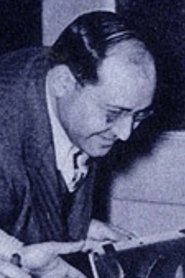
Production details for Crazytown are sparse in surviving records. Direction is attributed to Isadore Sparber.
What critics said
Modern retrospectives screen Crazytown to illustrate 1954 pacing and camera norms.
Did you know?
- Directed by Isadore Sparber.
- Production country: United States.
- Release year commonly listed as 1954.
- TMDB identifier: 235780.
Visual style
As an animated short, 'Crazytown' employed the standard cel animation techniques of the era, with some use of limited animation to reduce production costs. The visual style featured bold outlines and saturated colors typical of Famous Studios productions. The topsy-turvy concept allowed for creative use of perspective and camera angles, with scenes deliberately designed to disorient viewers through inverted landscapes and impossible physics. The animation team would have used multiplane camera effects to create depth in certain scenes, though budget constraints limited the complexity of these techniques. Character animation followed the established Popeye style, with exaggerated expressions and movements that emphasized the cartoon's comedic nature.
Innovations
While 'Crazytown' did not introduce significant technical innovations, it demonstrated熟练 use of established animation techniques. The cartoon employed effective use of perspective tricks to create the illusion of a topsy-turvy world, utilizing careful background design and character placement. The animation team showed skill in maintaining visual continuity despite the deliberately disorienting premise. The limited animation techniques used, while partly driven by budget constraints, were applied effectively to maintain the cartoon's comedic timing. The synchronization of voice performances with animation remained of high quality, reflecting the decades of experience the voice actors had with their characters.
Music
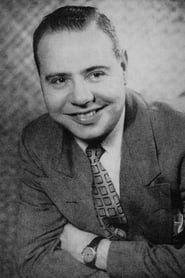
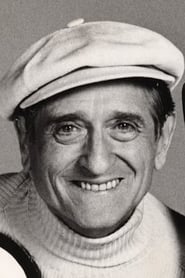
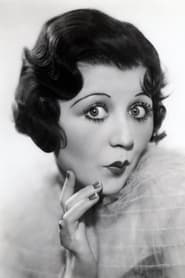
The musical score would have been composed by Winston Sharples, Famous Studios' regular composer, who created music for hundreds of their cartoons. The soundtrack likely featured jaunty, whimsical orchestral music that complemented the surreal visuals, with prominent use of woodwinds and brass to create a playful atmosphere. Sound effects would have emphasized the cartoon's physical comedy, with exaggerated impacts and cartoonish noises for the various absurd situations. The voice work by Jackson Beck, Jack Mercer, and Mae Questel would have been recorded separately and synchronized with the animation during post-production. As was typical for the era, the soundtrack was mono optical audio printed directly on the film strip.
Famous quotes
I yam what I yam and that's all that I yam
Well blow me down!
Oh, dear! What shall I do? What shall I do?
Memorable scenes
- The opening sequence establishing the topsy-turvy nature of Crazytown with inverted buildings and gravity-defying action
- Popeye's attempts to navigate the upside-down world while maintaining his characteristic swagger
- The climactic scene where Popeye eats his spinach and temporarily restores order to the chaotic town
What audiences thought
Patrons who saw Crazytown during initial runs judged it alongside other feature releases of the day.
Film connections
Influenced by
- Surrealist art movement
- Earlier Fleischer Studios cartoons
- The Three Stooges' physical comedy
- Looney Tunes' absurd humor
- Screwball comedy films of the 1930s-40s
This film influenced
- Later Famous Studios productions with surreal premises
- Television cartoons that embraced absurdity
- Modern animated shorts that play with physics and reality
Film restoration
The film exists in the Paramount/Famous Studios archives and has been preserved through various home media releases. Many classic Popeye cartoons, including this one, have been restored and released on DVD and digital platforms. The original 35mm film elements are likely held in studio archives or animation collections.
Where to watch
- Available on various Popeye cartoon compilation DVDs
- Some streaming services featuring classic animation
- Public domain animation websites (if copyright has expired)
- Animation archive collections and museums