
Bride and Gloom
"Wedding jitters before dawn"
Keys: Space play/pause · ←/→ 10s · F fullscreen · M mute · </> speed
About this film
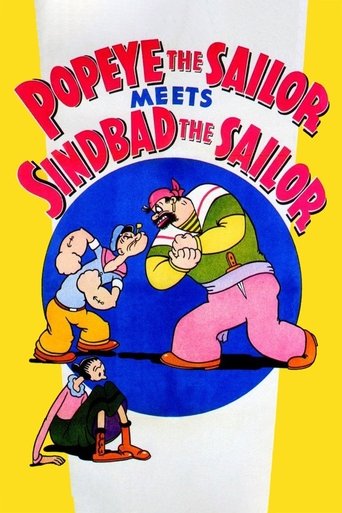
Popeye is marrying Olive tomorrow; he's ecstatic. She has a dream of the future, including twin sons who prove to be a real handful.
Cast & crew
More films like this
More Animation films
View all →



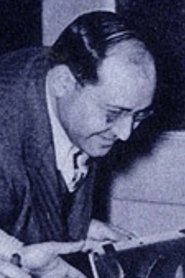
More from Izzy Sparber
View all →

More about this film
About the production
Release dateMarch 12, 1954
ProductionFamous Studios, Paramount Pictures
Filmed inNew York, New York (animation studio)
This cartoon was produced during the Famous Studios era of Popeye cartoons, which ran from 1942 to 1957. The animation was created using traditional cel animation techniques at the Famous Studios facility in New York City. The film features the classic Popeye character designs from this period, with slightly more rounded features compared to the earlier Fleischer Studios versions. The twin sons in Olive's dream were designed as miniature versions of Popeye, complete with sailor suits and corncob pipes, creating a visual representation of her fears about raising children similar to her fiancé.
Themes
Marriage anxietyFear of parenthoodDreams and premonitionsFamily dynamicsGender roles
Themes & topics
weddingnightmaretwinspremonitionanxietyfamilydream sequencemarriagechildrenfear
Historical background
Bride and Gloom reached screens around 1954, produced in its country of origin. Postwar distribution and sound standards shaped how it was marketed.
Why this film matters
Researchers cite Bride and Gloom when tracing screen culture of its decade.
Making of
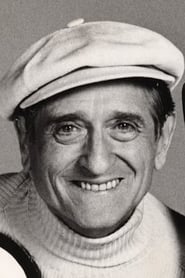
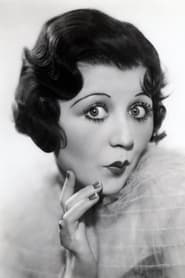
The production of 'Bride and Gloom' took place during a transitional period for American animation, as television was beginning to compete with theatrical shorts. The Famous Studios team, led by Izzy Sparber, was working to maintain the quality and popularity of the Popeye series despite budget constraints and changing audience preferences. The animation team used limited animation techniques in some scenes to save time and money, particularly in the dialogue sequences. However, the nightmare sequence received special attention, with more fluid animation and experimental visual effects to convey the dream-like state. The voice recording session was notable for Jack Mercer's ability to create distinct voices for Popeye and his twin sons, showcasing his vocal range. Mae Questel reportedly based Olive's terrified reactions on real-life anxiety about marriage and motherhood, adding authenticity to the performance. The cartoon's score, composed by Winston Sharples, incorporated variations of the classic Popeye theme along with original compositions for the nightmare sequences.
What critics said
Reviewers in 1954 weighed Bride and Gloom on clarity, pacing, and audience response rather than prestige status. No single canonical review dominates later reference works for the title.
Did you know?
- This was one of the last Popeye cartoons to feature the classic Famous Studios style before the studio's closure in 1957
- The twin sons in Olive's nightmare are named Peepeye and Pipeye, a play on Popeye's name
- Jack Mercer not only voiced Popeye but also provided the voices for the twin sons in the dream sequence
- Mae Questel had been voicing Olive Oyl since 1936, making her one of the longest-running voice actors in the series
- The cartoon's title 'Bride and Gloom' is a pun on the phrase 'bride and groom'
- This was one of the few Popeye cartoons to directly address the topic of marriage and family planning
- The nightmare sequence uses surreal animation techniques, including distorted perspectives and exaggerated character movements
- Director Izzy Sparber was one of the key animators who moved from Fleischer Studios to Famous Studios
- The cartoon was released as part of Paramount's 'Noveltoons' series, which included various character shorts
- This short was produced during the height of the baby boom era, making its themes about children particularly relevant to contemporary audiences
Visual style
The visual style of 'Bride and Gloom' exemplifies the Famous Studios approach to animation, with bold colors, clean lines, and dynamic character movements. The cinematography employs traditional cel animation techniques enhanced by careful use of camera angles and perspective shifts, particularly during the nightmare sequence. The dream scenes feature experimental visual effects including distorted proportions, surreal backgrounds, and exaggerated character designs that effectively convey the psychological state of Olive's anxiety. The animators used subtle color palette changes to distinguish between reality and dream sequences, with warmer tones for the waking world and more chaotic, contrasting colors for the nightmare. The animation of the twin sons showcases the studio's ability to create multiple similar yet distinct characters, each with their own personality and movement patterns. The climactic scenes feature rapid cuts and dynamic action sequences that demonstrate the technical proficiency of the Famous Studios animation team.
Innovations
While 'Bride and Gloom' doesn't feature groundbreaking technical innovations, it demonstrates the refinement of animation techniques that Famous Studios had developed by the mid-1950s. The cartoon showcases advanced character animation, particularly in the sequences featuring the twin sons, requiring animators to synchronize multiple similar characters with distinct personalities. The dream sequence employs sophisticated visual effects for its time, including morphing backgrounds and distorted perspective techniques to convey the psychological state of the characters. The film also demonstrates effective use of color psychology, with deliberate palette choices to distinguish between reality and dream states. The animation team successfully integrated limited animation techniques with fully animated sequences, creating a balance between production efficiency and visual quality. The sound synchronization, particularly in scenes with multiple characters speaking simultaneously, represents a technical achievement in audio editing for animated shorts of this era.
Music
The musical score for 'Bride and Gloom' was composed by Winston Sharples, who was the resident composer for Famous Studios during this period. The soundtrack incorporates variations of the classic Popeye theme song along with original compositions specifically created for the dream sequences. The music effectively shifts between the jaunty, upbeat melodies typical of Popeye cartoons and more discordant, unsettling compositions during Olive's nightmare. Sharples uses leitmotifs to represent different characters and emotional states, with the twin sons receiving their own playful yet chaotic musical theme. The sound design includes the classic Popeye sound effects, such as the 'toot-toot' of the sailor's pipe and the distinctive punching sounds, enhanced with additional audio effects for the dream sequences. The voice work by Jack Mercer, Mae Questel, and Cecil Roy is seamlessly integrated with the musical score, creating a cohesive audio experience that supports the narrative's emotional arc.
Famous quotes
Popeye: 'I'm gonna be a husband tomorrow! Oh, joy, oh rapture!'
Olive: 'Oh, dear! I dreamed we had twin sons... and they were just like you!'
Popeye: 'What's wrong, Olive? You look like you've seen a ghost!'
Olive: 'I can't marry you, Popeye! I just can't!'
Memorable scenes
- The nightmare sequence where Olive envisions her future with twin sons who are miniature versions of Popeye, causing chaos throughout the house and demonstrating the same fighting tendencies as their father. The scene features surreal animation with distorted perspectives and exaggerated character movements, effectively conveying Olive's anxiety about parenthood and her fear that her children will inherit Popeye's pugnacious nature.
What audiences thought
Theatrical audiences in 1954 generally responded positively to 'Bride and Gloom' as part of the overall moviegoing experience. The cartoon's blend of humor and relatable family themes resonated with post-war audiences who were themselves navigating marriage and parenthood during the baby boom era. Children enjoyed the slapstick elements and the mischievous twin characters, while adults appreciated the more sophisticated humor about marital anxiety. In later years, the cartoon has maintained popularity among Popeye enthusiasts and classic animation fans, who often cite it as one of the more psychologically interesting entries in the series. The short has been featured in various Popeye compilation releases and television broadcasts, introducing it to new generations of viewers who continue to find its themes relevant and entertaining.
Film connections
Influenced by
- Freudian psychology
- Surrealist art
- Domestic comedies
- Family sitcoms
- Psychological dramas
This film influenced
- Later Popeye cartoons dealing with family themes
- Animated shorts exploring psychological themes
- Television cartoons addressing adult topics
Film restoration
The film has been preserved through various home media releases and is currently held in the Paramount Pictures archive. It has been digitally restored for inclusion in Popeye DVD collections and streaming services. The original film elements are maintained in studio archives, and the cartoon remains accessible through official distribution channels.
Where to watch
- Amazon Prime Video
- Apple TV
- Google Play Movies
- YouTube (official channels)
- Popeye official website
- Classic animation streaming services
- DVD collections: 'Popeye the Sailor: The 1940s Volume 3'