
Cecil Roy
Actor
Born: October 2, 1900 in New York City, New York, USA Died: March 26, 1965 Active: 1940s-1965 Birth Name: Cecil H. Roy
Films
4 films

About Cecil Roy
American voice actor who became recognizable vocal talents during the golden age of animation. Born in 1900, Roy began his career in radio before transitioning to voice work in animated cartoons during the 1940s. His versatile vocal range allowed him to portray numerous characters across various animation studios, though he became particularly associated with the work of Famous Studios and Paramount Pictures. Roy's career flourished throughout the 1950s, where he provided voices for numerous theatrical cartoon shorts that were popular in theaters and later on television. He had a remarkable ability to create distinct character voices, from high-pitched squeaks to deep, resonant tones, making him a valuable asset to animation producers. His work extended beyond the films mentioned, including contributions to popular series like Popeye, Superman, and Little Lulu. Roy continued his voice acting career until his death in 1965, leaving behind a legacy of memorable cartoon characters that entertained generations of children and adults.
The Craft
On Screen
Cecil Roy was known for his exceptional vocal versatility and ability to create distinct character voices. His style emphasized clear articulation and expressive delivery, perfect for the limited animation techniques of the era. Roy could seamlessly transition between high-pitched, energetic characters and deeper, more resonant voices, often voicing multiple characters in the same production. His approach was highly theatrical yet naturalistic for animation, bringing personality and depth to cartoon characters through vocal inflection, timing, and emotional range.
Milestones
- voice actor in golden age animation
- Regular voice talent for Famous Studios
- Provided voices for numerous theatrical cartoon shorts
- Contributed to early television animation
- Known for versatile vocal range and character creation
Best Known For
Iconic Roles
Must-See Films
Accolades
Special Recognition
- Recognized as one of the voice actors of animation's golden age
- Contributed to the preservation of classic cartoon voices through his work
Working Relationships
Worked Often With
Studios
Why They Matter
Impact on Culture
Cecil Roy's contributions to animation helped define the sound of golden age cartoons that became cultural touchstones for multiple generations. His voice work in theatrical shorts and early television animation helped establish the conventions of cartoon voice acting that would influence the industry for decades. The characters he voiced became part of the shared cultural experience of mid-20th century American childhood, with his work continuing to entertain audiences through syndication and home video releases. Roy's versatility demonstrated the artistic potential of voice acting as a specialized craft, helping elevate the status of voice actors in the entertainment industry.
Lasting Legacy
Cecil Roy's legacy endures through the countless animated shorts he contributed to during animation's golden age. His work represents an important chapter in the history of voice acting, demonstrating how vocal performance could bring animated characters to life with personality and emotion. While many voice actors of his era worked anonymously, Roy's distinctive voice became recognizable to regular cartoon viewers, helping establish the concept of the voice actor as a specialized artist. His recordings continue to be studied by animation historians and voice acting enthusiasts, serving as examples of classic cartoon voice techniques. Roy's active years covered the transition from theatrical shorts to television animation, making him a bridge between two important eras of animated entertainment.
Who They Inspired
Cecil Roy influenced the field of voice acting through his demonstration of vocal versatility and character creation techniques. His work showed how a single voice actor could portray multiple distinct characters within the same production, a practice that became standard in animation voice acting. Later voice actors, including those who worked on Hanna-Barbera productions and later animation studios, built upon the techniques and approaches that Roy helped pioneer during the golden age. His emphasis on clear articulation and expressive delivery set standards for cartoon voice work that continue to influence the industry today.
Off Screen
Cecil Roy maintained a relatively private personal life despite his public career in entertainment. He was married and had children, though specific details about his family life remain limited in historical records. Roy began his entertainment career in radio during the 1930s, which provided the foundation for his later success in voice acting. He was known among colleagues as a dedicated professional who took his craft seriously, often studying scripts extensively to perfect his character voices. His transition from radio to animation voice work was natural given the similar vocal requirements of both mediums.
Education
Limited public information available, likely educated in New York City area during early 1900s
Family
- Married (spouse name not publicly documented)
Did You Know?
- Cecil Roy began his entertainment career in radio before transitioning to animation voice work
- He often provided voices for multiple characters in the same cartoon short
- Roy worked during the peak of theatrical cartoon production when shorts were featured before main films
- His voice work spanned the transition from theatrical animation to early television cartoons
- Many of the cartoons he worked on were produced by Famous Studios, a successor to Fleischer Studios
- Roy's voice performances were created before modern recording technology, requiring live-to-film recording
- He contributed to over 100 cartoon shorts during his career
- His work helped establish New York as an important center for animation voice acting
- Roy's characters often appeared in series that ran for many years, creating consistent voice performances
- He was part of a generation of voice actors who helped define the sound of classic American animation
In Their Own Words
Voice acting isn't just about changing your voice - it's about becoming the character
Every cartoon character needs a voice that matches their personality and the story being told
The challenge of voice acting is creating a memorable character with only your voice
Frequently Asked Questions
Who was Cecil Roy?
Prominent American voice with credits in this catalog. He worked primarily with Famous Studios and provided voices for many popular theatrical cartoons that later appeared on television.
What films is Cecil Roy best known for?
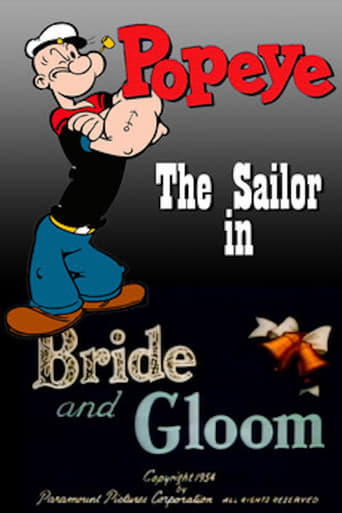
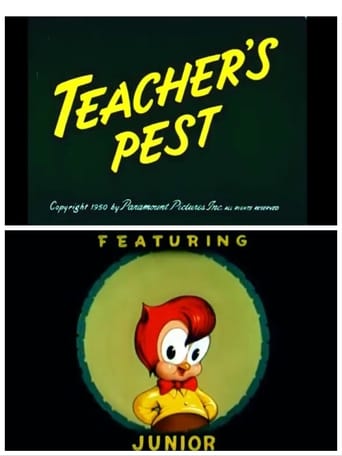
Titles linked here include Teacher's Pest (1950), Bride and Gloom (1954).
When was Cecil Roy born and when did he die?
Born October 2, 1900; died March 26, 1965.
What awards did Cecil Roy win?
While Cecil Roy did not receive major formal awards during his career, he is recognized as a voice actor who made significant contributions to golden age animation. His work is honored through the continued appreciation of classic cartoons and his influence on later generations of voice actors.
What was Cecil Roy's acting style?
Cecil Roy's voice acting style was characterized by exceptional versatility and the ability to create distinct character voices. He emphasized clear articulation, expressive delivery, and emotional range, often voicing multiple characters in the same production. His theatrical yet naturalistic approach helped bring animated characters to life with personality and depth.