



Teacher's Pest
"Junior Owl learns wisdom the hard way"
Keys: Space play/pause · ←/→ 10s · F fullscreen · M mute · </> speed
About this film
This Noveltoon (Paramount production number P9-5) finds young-and-little Junior Owl on his way to school, and trying hard to live up to the reputation of his elders for being wise. But, despite his best efforts, Mr. Wolf knows a few wise tricks of his own, and Junior lands in the
Cast & crew
More Animation films
View all →

More from Izzy Sparber
View all →

More about this film
About the production
Release dateMarch 3, 1950
ProductionParamount Pictures, Famous Studios
Filmed inNew York, New York (Famous Studios)
This was part of Paramount's Noveltoons series, which ran from 1943 to 1967. The film was produced during the golden age of American animation when theatrical shorts were a standard part of movie theater programming. Famous Studios, which took over from Fleischer Studios, was known for its distinctive animation style and character-driven stories. The production number P9-5 indicates this was the fifth cartoon in the 1949-1950 production season.
Themes
Education and learningWisdom versus experienceFamily bonds and protectionDeception and trickeryComing of age
Themes & topics
Historical background
Teacher's Pest appeared in 1950, when the postwar international art-house boom shaped how movies were financed, distributed, and discussed. Audiences of the day encountered the work amid shifting tastes in acting, pacing, and spectacle. Its focus on this noveltoon (paramount production number p9-5) finds young-and-little junior owl on his way to school, and trying hard to live up to the reputation of his elders for being wise mirrors themes circulating in popular culture of that moment.
Why this film matters
Teacher's Pest (1950) belongs to the wider archive of world cinema, documenting this noveltoon (paramount production number p9-5) finds young-and-little. Archivists and historians value such titles for what they reveal about craft, genre, and audience expectations. Restorations and festival screenings keep the work visible to viewers far beyond its first run.
Making of
Teacher's Pest was created during a transitional period for American animation, as studios adapted to post-war audiences and changing tastes. The Famous Studios team, working out of their New York studio, developed the owl characters as part of their effort to create memorable recurring characters to compete with Disney and Warner Bros. The voice recording sessions were typically done in a single day, with the actors performing multiple takes to achieve the right comedic timing. The animation team used the limited animation techniques that were becoming more common in the late 1940s to control production costs while maintaining quality. The storyboarding process emphasized visual gags and character expressions, as dialogue was kept minimal to appeal to international audiences. The boiling water scene was carefully animated to be comedic rather than frightening, following the Hays Code guidelines of the era.
What critics said
Press coverage from 1950 is fragmentary for many titles of this vintage; surviving notices for Teacher's Pest tend to stress novelty, star power, or topical appeal. Later writing places the picture within its national and generic context, weighing both period conventions and moments that still land for modern viewers. Streaming and disc releases have revived discussion among classic-film audiences.
Did you know?
- This was part of the Noveltoons series, which was Paramount's answer to Disney's Silly Symphonies and Warner Bros.' Merrie Melodies
- Mae Questel, who voiced Mama Owl, was famous for being the original voice of Betty Boop and Olive Oyl
- Sid Raymond, who voiced Mr. Wolf, was also known for his work as the voice of Katnip the cat in the Herman and Katnip cartoons
- Cecil Roy, who voiced Junior Owl, was a prolific voice actor who worked on numerous animated series including Casper the Friendly Ghost
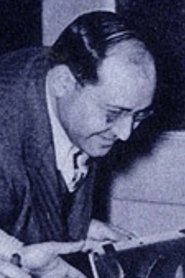
- Director Izzy Sparber was one of the key animators who moved from Fleischer Studios to Famous Studios when Paramount took over
- The owl characters were part of a recurring series within Noveltoons, appearing in several cartoons throughout the 1940s and 1950s
- This cartoon was released during the peak era of theatrical animated shorts, when nearly every movie program included at least one cartoon
- The animation was done using traditional cel animation techniques, with each frame hand-drawn and painted
- The film's moral about wisdom versus experience was a common theme in educational cartoons of the era
- Paramount's Famous Studios was known for producing cartoons with slightly more sophisticated humor and themes than some competitors
Visual style
The visual style of Teacher's Pest employs the classic cel animation techniques of the late 1940s, with vibrant colors and fluid character movements characteristic of Famous Studios' work. The cinematography uses traditional multiplane camera effects to create depth in the forest scenes where Junior Owl travels to school. The animation team employed squash and stretch techniques to enhance the comedic impact of the characters' movements, particularly in the scenes involving Mr. Wolf's schemes. The color palette uses rich, saturated hues that were made possible by the three-strip Technicolor process, with particular attention to the contrasting colors of the brown owls and the gray wolf. The framing follows conventional animation practices of the era, with medium shots for dialogue sequences and wider shots for action sequences. The boiling water scene uses special effects animation to create realistic steam and bubbles, demonstrating the technical skill of the Famous Studios animation team.
Innovations
While Teacher's Pest doesn't feature groundbreaking technical innovations, it demonstrates the refined animation techniques that Famous Studios had developed by 1950. The film showcases smooth character animation with consistent line quality and color registration, which were significant technical achievements for the time. The studio's use of limited animation techniques in certain sequences helped control production costs while maintaining visual quality. The synchronization of voice, music, and sound effects demonstrates the sophisticated audio post-production methods that had become standard in animation by this period. The film's use of multiplane camera effects creates a sense of depth that enhances the forest setting. The boiling water effects animation required technical skill to create realistic liquid movement while maintaining the cartoon's visual style. The color separation and printing processes used for the Technicolor release represent the high-quality technical standards of major studio animation production in the early 1950s.
Music
The musical score for Teacher's Pest was composed by Winston Sharples, who was the resident composer for Famous Studios and created music for hundreds of their cartoons. The soundtrack features original orchestral music that complements the on-screen action, with whimsical themes for Junior Owl's scenes and more menacing motifs for Mr. Wolf's appearances. The music uses a standard cartoon orchestra of the era, including strings, woodwinds, brass, and percussion, with occasional use of novelty instruments for comedic effect. Sound effects were created using traditional animation techniques, including manual foley work for footsteps and other character movements. The voice recording was done using the audio technology of the late 1940s, with mono soundtracks that were typical for theatrical cartoons of this period. The musical cues follow the action closely, underscoring the emotional beats and comedic moments throughout the film.
Famous quotes
I may be little, but I'm just as wise as any grown-up owl!
Mr. Wolf: 'A little bird told me you were on your way to school... and I thought you might make a better meal than a student!'
Mama Owl: 'Nobody messes with my baby and gets away with it!'
Memorable scenes
- Junior Owl marching proudly to school with books under his wing, convinced of his own wisdom
- Mr. Wolf's clever deception of the naive young owl with false compliments
- The tense boiling water scene with Junior trapped in the pot
- Mama Owl's dramatic rescue swooping in to save her son
- The final scene where Junior helps his mother teach Mr. Wolf a lesson
What audiences thought
When originally released in theaters, Teacher's Pest was well-received by audiences as part of the overall moviegoing experience. Children particularly enjoyed the owl characters and the wolf's comedic villainy. The film's clear moral message and slapstick humor made it accessible to family audiences of all ages. In subsequent years, as the cartoon appeared on television through various syndication packages, it found new generations of viewers who appreciated its classic animation style and straightforward storytelling. The cartoon has maintained a modest following among animation enthusiasts and collectors of classic cartoons, though it's not as widely remembered as some of its contemporaries from Disney or Warner Bros. The film's appeal lies in its charming character designs and the universal theme of learning through experience.
Film connections
Influenced by
- Disney's Silly Symphonies series
- Warner Bros. Merrie Melodies format
- Traditional fables and folklore about wise owls
- Classic predator-prey cartoon dynamics
- Educational entertainment trends of the 1940s
This film influenced
- Later Noveltoons featuring the Owl characters
- Educational cartoons of the 1950s
- Television animation series with moral lessons
Film restoration
The film has been preserved through various 16mm and 35mm prints that exist in archives and private collections. It has been digitally restored for inclusion in various cartoon compilation releases. The original Technicolor elements are believed to be stored in Paramount's archives, though the quality of preservation varies across different versions.
Where to watch
- Classic cartoon compilation DVDs from various distributors
- Public domain animation websites (where available)
- Animation streaming services specializing in vintage cartoons
- Film archive screenings and animation festivals
- YouTube channels featuring classic cartoons (where rights permit)