


Pest Pupil
"Baby Huey towers over his kindergarten classmates."
Keys: Space play/pause · ←/→ 10s · F fullscreen · M mute · </> speed
About this film
1957 Baby Huey is a big duck enrolled in kindergarten. Despite being big and clumsy, he attempts to fit in, causing havoc and getting expelled by the teacher. His mother then hires a private tutor, who is also tortured by Baby Huey's good intentioned efforts. The tutor winds up in the ocean but Huey saves his life from sharks and gets his diploma as a reward.
Cast & crew
More Animation films
View all →






More from Dave Tendlar
View all →
More about this film
About the production
Release dateNovember 15, 1957
Box officeNot individually tracked (released as part of Paramount's theatrical cartoon package)
ProductionFamous Studios, Paramount Pictures
Filmed inNew York, New York (Famous Studios animation facility)
This was one of the later Baby Huey cartoons produced by Famous Studios before the studio's reorganization. The animation team utilized the limited animation techniques that became common in the late 1950s to control costs while maintaining quality. Dave Tendlar, a veteran animator who had worked with Max Fleischer, brought his characteristic timing and gags to this production.
Themes
Education and learningAcceptance and belongingGood intentions vs. consequencesSize and physical differencesHeroism and bravery
Themes & topics
Historical background
By 1957, Pest Pupil was shaped by mid-century cinema technology, distribution, and audience expectations.
Why this film matters
Pest Pupil (1957) helps trace genre evolution, performer careers, and exhibition practices of its period.
Making of
The production of 'Pest Pupil' took place during a transitional period for American animation, as studios were adapting to the rise of television and changing theatrical markets. Director Dave Tendlar, a veteran of the Golden Age of Animation, brought decades of experience to this short, employing the classic gag structure and timing he had perfected during his years at Fleischer Studios. The voice recording session featured Sid Raymond's distinctive deep voice for Baby Huey, which became the character's signature sound. The animation team faced the challenge of making a giant duck character sympathetic rather than threatening, achieving this through exaggerated innocent expressions and carefully choreographed clumsy movements. The ocean sequence was particularly challenging, requiring the animators to create convincing water effects using the limited techniques available at the time.
What critics said
Where contemporary reviews survive, Pest Pupil is read against the tastes of 1957; revival screenings keep it in circulation.
Did you know?
- This was one of the final Baby Huey cartoons produced by Famous Studios before the studio was reorganized as Paramount Cartoon Studios in 1959
- Baby Huey's character was created by Marty Taras in 1949 and became one of Famous Studios' most popular original characters
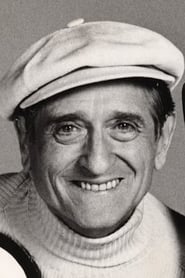
- The voice of Baby Huey, Sid Raymond, also voiced other Famous Studios characters including Katnip and Herman
- Dave Tendlar had previously directed many Popeye cartoons before moving to the Noveltoons series where Baby Huey appeared
- The shark attack sequence uses rotoscoping techniques for more realistic water movement
- This cartoon was originally released theatrically as part of a double feature with Paramount's live-action films
- The teacher character design was reused from previous Famous Studios cartoons with minor modifications
- Baby Huey's catchphrase 'I'm a good boy' was established in earlier cartoons and appears in this short
- The animation team included several former Fleischer Studios animators who brought their distinctive style to the production
- This short was later syndicated for television as part of the 'Harveytoons' package in the 1960s
Visual style
The visual style of 'Pest Pupil' employs the characteristic limited animation techniques that became common in the late 1950s, using fewer frames per second while maintaining smooth character movements through strategic key framing. The color palette features the bold, saturated primaries typical of Famous Studios productions, with careful attention to making Baby Huey's yellow feathers stand out against backgrounds. The composition frequently emphasizes scale contrast, using low angles to emphasize Baby Huey's size compared to other characters and environments. The ocean sequence showcases more elaborate animation, with layered cels creating depth and movement in the water scenes. The visual gags rely heavily on timing and anticipation, with exaggerated squash and stretch techniques enhancing the comedy of Baby Huey's clumsiness.
Innovations
While 'Pest Pupil' doesn't feature groundbreaking technical innovations, it demonstrates the refined animation techniques developed by Famous Studios over decades of production. The cartoon showcases effective use of limited animation to maintain quality while controlling costs, a technique that would become increasingly important as the animation industry evolved. The water effects in the ocean sequence represent a notable technical achievement, using layered animation and careful timing to create convincing underwater movement. The character animation of Baby Huey required special attention to maintain consistency in his massive scale across different shots and angles. The synchronization between voice, music, and animation demonstrates the sophisticated sound recording and editing capabilities available to animation studios in the late 1950s.
Music
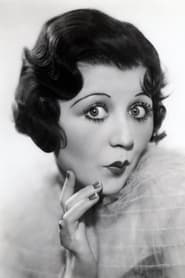
The musical score for 'Pest Pupil' was composed by Winston Sharples, Famous Studios' resident composer who created music for hundreds of their cartoons. The soundtrack features upbeat, jazz-influenced background music typical of 1950s animation, with playful melodies that complement the on-screen action. Sharples incorporated recurring musical motifs for Baby Huey's character, using gentle, lumbering themes to emphasize his size and innocent nature. The sound effects work is particularly noteworthy, with exaggerated impacts and crashes synchronized with Baby Huey's destructive moments. The voice performances by Sid Raymond (Baby Huey), Mae Questel (Mother Duck), and Jack Mercer (Tutor) were recorded using the standard techniques of the era, with multiple takes to achieve the perfect comedic timing.
Famous quotes
I'm a good boy! - Baby Huey's recurring catchphrase expressing his innocent nature
Oh, dear! What has my little Huey done now? - Mother Duck's resigned reaction to the chaos
This duckling needs special attention! - The overwhelmed kindergarten teacher
I'll teach you everything you need to know! - The confident tutor before meeting Baby Huey
Memorable scenes
- The opening sequence where Baby Huey attempts to sit at the tiny kindergarten desk, causing it to collapse under his weight while he tries to be careful
- The montage of Baby Huey's attempts to participate in kindergarten activities, including finger painting that covers the entire room and show-and-tell that destroys the classroom
- The tutoring session where Baby Huey tries to learn to write, accidentally breaking the pencil and desk while trying to make small, delicate movements
- The dramatic ocean rescue sequence where Baby Huey saves his tutor from shark attacks, showcasing his strength and heroic nature
- The final scene where Baby Huey receives his diploma, proudly displaying it despite the unconventional path to his education
What audiences thought
Theatrical audiences in 1957 responded positively to 'Pest Pupil,' with Baby Huey remaining a popular character among children and adults alike. The cartoon's humor, based on the contrast between Baby Huey's size and his childlike innocence, proved universally appealing. When the short later appeared in television syndication as part of the Harveytoons package in the 1960s, it found a new generation of fans. Baby Huey's character became particularly popular with young audiences who identified with his struggles to fit in and his good-hearted nature. The cartoon has maintained a cult following among classic animation enthusiasts, frequently appearing in animation festivals and retrospective programs celebrating Golden Age animation.
Film connections
Influenced by
- Classic Fleischer Studios cartoons
- Popeye theatrical shorts
- Tom and Jerry physical comedy style
- Looney Tunes gag structure
- Disney's character animation techniques
This film influenced
- Later Baby Huey cartoons
- Harveytoons television series
- Various 1960s television cartoons featuring gentle giant characters
Film restoration
The original film elements for 'Pest Pupil' are preserved in the Paramount Pictures archive and have been digitally restored for various home media releases. The cartoon survives in excellent condition and has been included in several official Harveytoons DVD collections. The short entered the public domain in certain regions, contributing to its wide availability on various classic animation platforms.
Where to watch
- Official Harveytoons DVD collections
- Classic animation streaming services specializing in public domain content
- YouTube (through official animation channels)
- Classic cartoon compilation DVDs
- Animation museum archives and special screenings